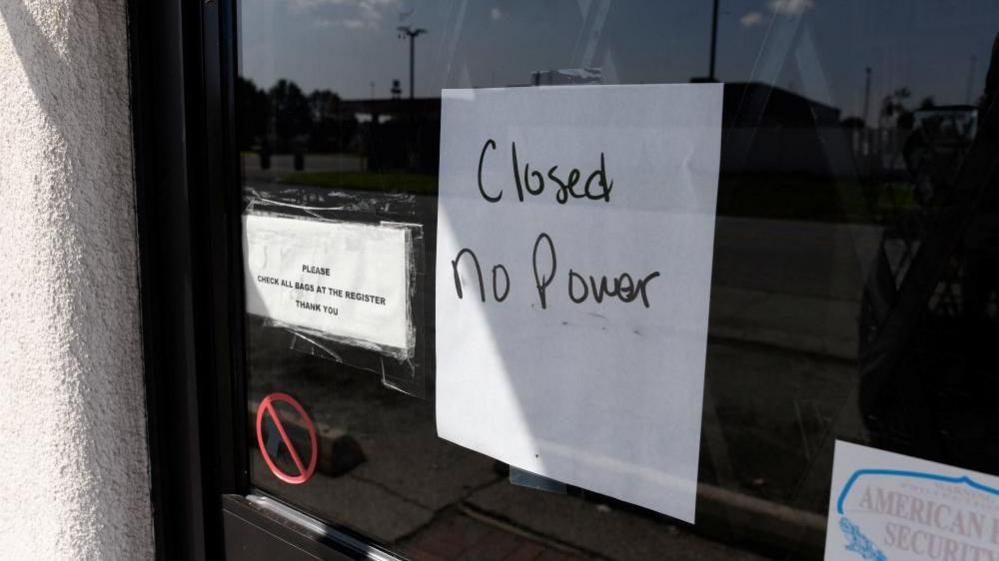
A blustery storm on 11 August left many people in Indiana without electricity two weeks later. Even though the utility has restored power to 345 000 customers, almost 30 000 residents remain in the dark.
The industrial city of Gary, with one third of its 70 000 inhabitants living in poverty, has been impacted by power‑line damage caused by falling trees. People are cutting down food supplies, unable to refrigerate medicine, and struggling to maintain hygiene. Some elderly residents have no power for medical oxygen tanks, and disabled people face a lack of elevators.
Police and community members have organized small support networks: friends deliver groceries and phone‑charging devices, while the World Central Kitchen has arrived to help those stuck.
Nipsco, the power company, denies wrongdoing and says it will "vigorously" defend itself in court. Local residents have filed a class‑action suit, claiming the utility failed to clear the vegetation that caused the lines to fall. Several lawsuits cite personal injury as well, such as a dentist forced to halt a procedure.
Bayron, Governor of Indiana, has urged the federal emergency agency to declare a major disaster quickly, which would unlock aid and increase the availability of crews. He also called for more innovative resource use to restore power as soon as possible.
With climate change increasing the frequency of extreme weather, incidents like this are more likely to recur, stressing the importance of anticipating and securing power infrastructure for future storms.