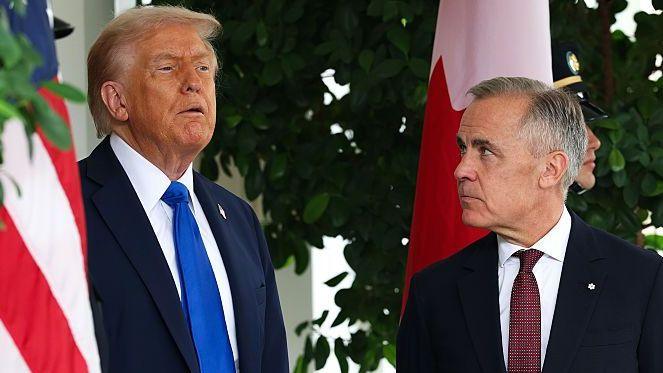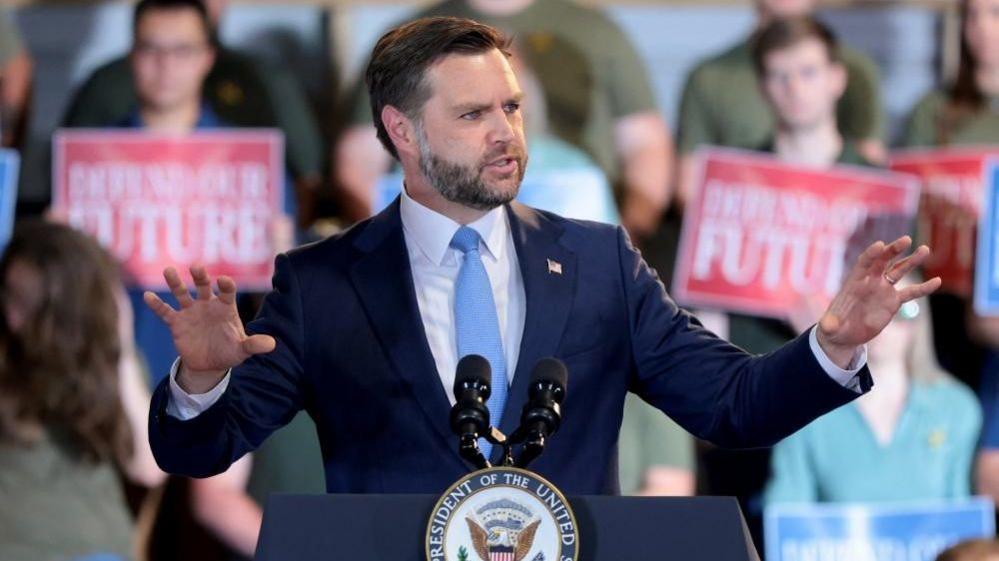
On Tuesday, Canada rolled out a suite of tariffs aimed at U.S. goods, a response that followed a leaked audio clip in which U.S. Vice‑President JD Vance mocked Prime Minister Mark Carney at a private fundraiser. The clip described Carney as "a very sweet guy" who made a boastful claim about out‑toughing President Trump, remarks that circulated widely in Canada before the trade talks collapsed over the weekend.
This diplomatic breakup halted negotiations for a new North American trade pact that could replace the U.S.‑Mexico‑Canada Agreement. Canada’s tariffs, set to take effect in two weeks, and the United States’ planned 50 % duty on Canadian vehicles, which will kick in in 2027, together illustrate a broader debate over how much influence a single nation can wield over its neighbours.
The quarrel echoes earlier tensions that began during the first Trump administration when the U.S. pushed for a revised free‑trade arrangement and publicly denounced Canada as its “51st state.” Over the years, the U.S. has positioned itself as a hemispheric power, demanding more from Canada in defence, political, and economic spheres.
For Canada, the stakes are not only economic. Premier Doug Ford’s stern rebuke to Trump and the Canadian government’s decision to suspend trade talks, reflect a possible shift away from reliance on traditional alliances. The country has begun exploring alternative trade partnerships, especially with Asia and Europe, while keeping the U.S. close merely as a neighbour.
International observers note that the escalation offers a classroom lesson in 2025 and beyond: when trade and security intersect, even regional rivals can test the limits of a dominant power. If Canada can successfully counter U.S. tariffs, other nations may feel encouraged to assert similar strategies, potentially reshaping global trade flows.
Nevertheless, the two‑month lag before the U.S. tariffs take effect provides negotiators time to resume talks. Key political events, such as the upcoming U.S. midterm elections, will also influence how far each side can push, making the next few weeks a critical period for the future of Canadian‑American trade relations.