China investigates formaldehyde use in cabbages
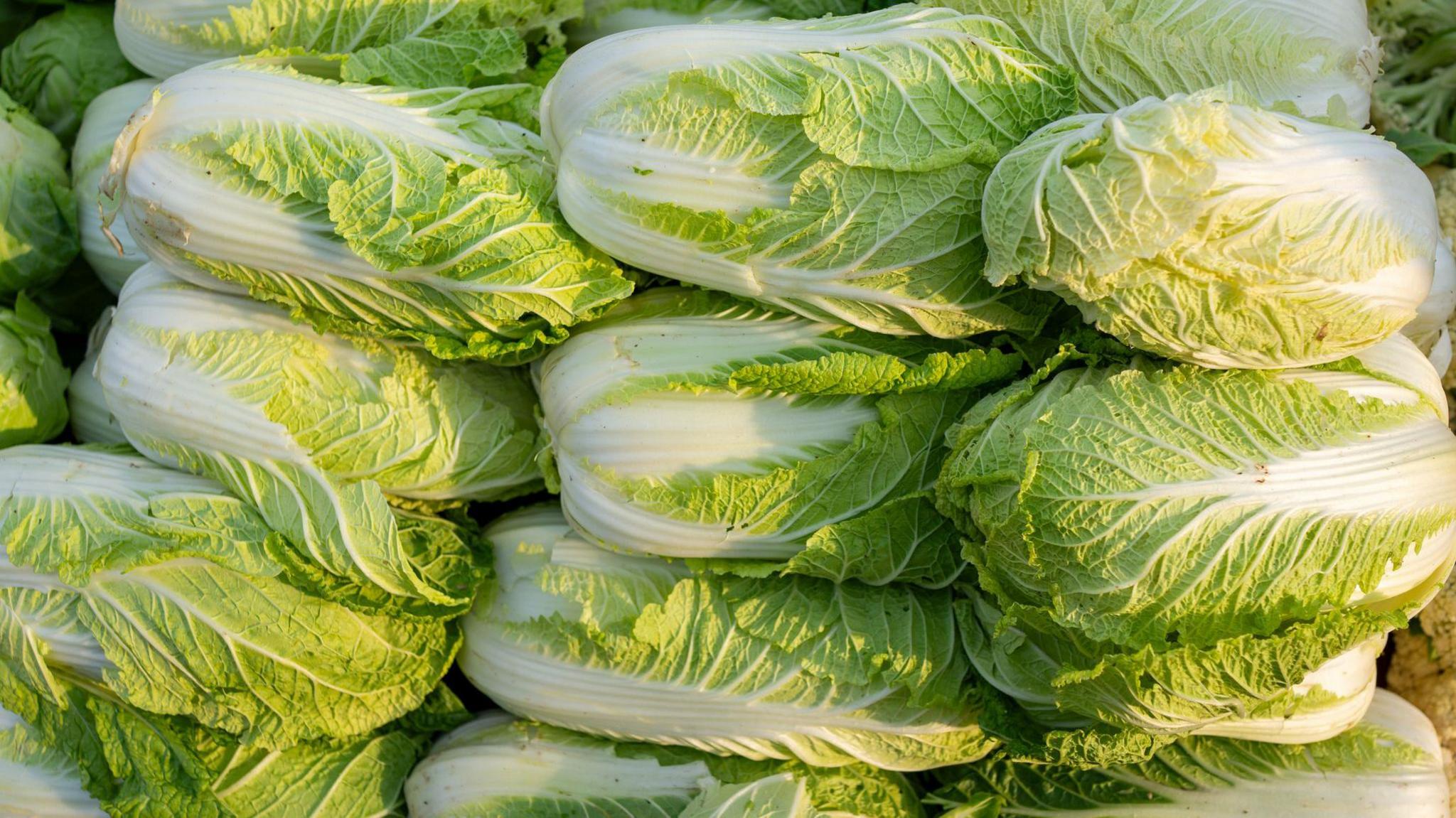
Authorities in China’s Hebei province have launched an investigation after the discovery of footage showing cabbages dipped in a formaldehyde solution before shipment. Formaldehyde, a colourless chemical linked to cancer, is strictly prohibited for use in food preservation.
The footage, released by an environmental blogger last week, prompted officials to confirm the practice. Police reportedly seized those involved and are conducting spot checks across markets nationwide to reassure consumers.
China’s role as the world’s largest cabbage producer magnifies the incident’s significance. Each year the country produces over 30 million tonnes of cabbages, half of the global supply, with major export markets including Vietnam, South Korea, and Russia.
The People’s Daily editorial criticised wholesalers for prioritising profit over consumer safety, labeling the act a legal and moral transgression. “The wholesalers focused solely on their immediate economic interests while completely disregarding the lives and health of consumers,” the piece read.
Xinfadi market in Beijing, a key hub for fresh produce, issued a statement that the affected cabbages did not enter its premises. Local authorities in Kangbao county pledged to enforce strictly any illegal practices and trace the vegetable chain, citing the safety of the food supply as paramount.
Health perspectives note that high doses of formaldehyde have been associated with cancers in some occupational settings. However, the American Cancer Society highlights a knowledge gap regarding risks from low-level exposure, underscoring the need for stricter regulation.
The investigation may prompt broader scrutiny of post-harvest treatments used on Chinese produce. While the exact scale remains under review, officials are already checking for any widespread use of chemical preservation methods that compromise food safety.
For consumers, the incident underscores the importance of verifying food origins, especially when large volumes are exported. For producers, the scrutiny reinforces the necessity of adhering to national and international safety standards to protect market confidence and maintain export competitiveness.