Chinese Flood Footage in Tibet: A Silent Crisis
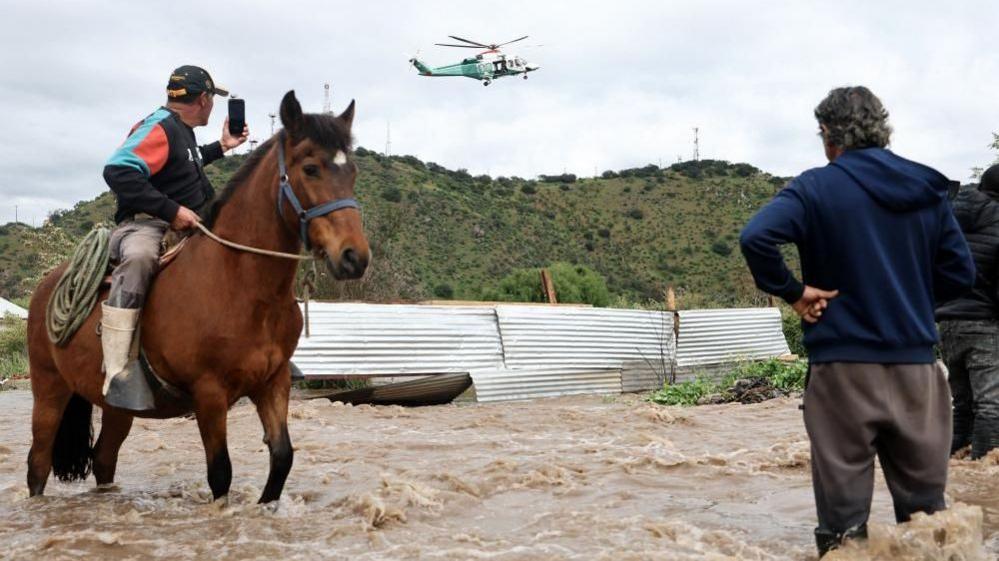
The dramatic footage was almost impossible to miss. A torrent of water tore through Gyirong Port, one of the main border crossings between Nepal and Tibet, sweeping away all in its path as hundreds of people fled for their lives.
The scenes, captured by CCTV cameras, quickly spread on social media and onto screens around the world. Except here, in China.
Only a single still‑frame shot has been broadcast so far by the country’s state‑run flagship news bulletin. The video remains effectively invisible on China’s heavily censored internet, and posts about the flash flooding are hard to find.
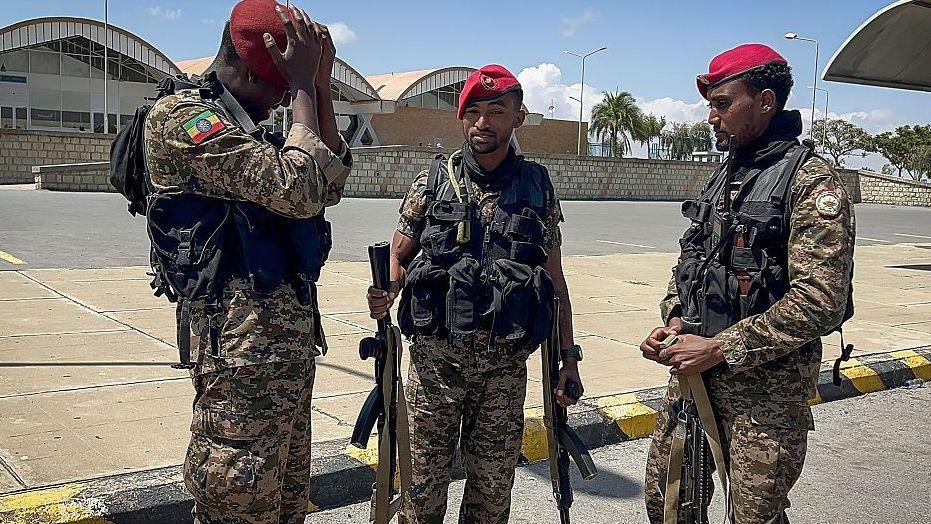
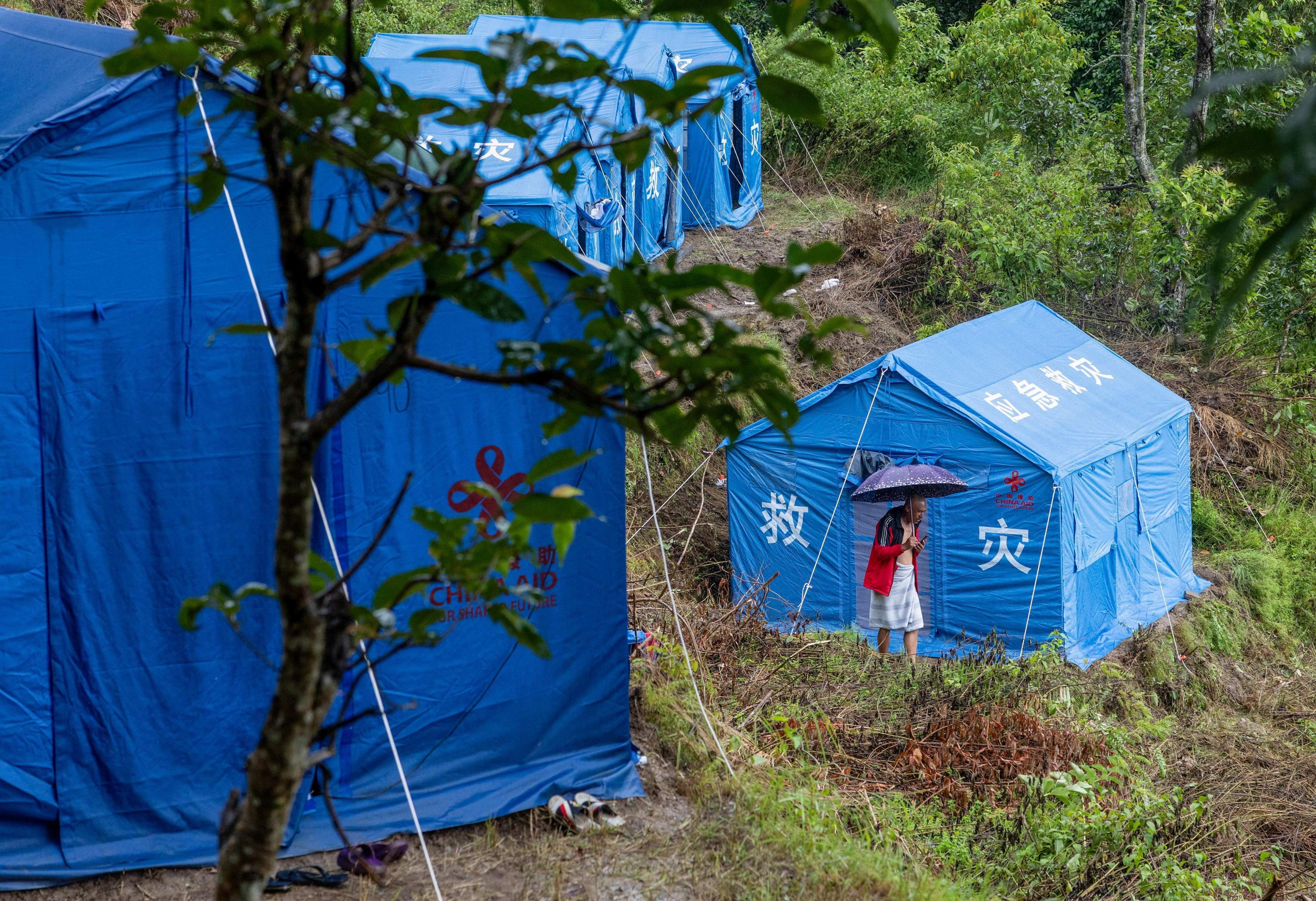
Beijing has launched a massive rescue operation involving hundreds of emergency workers, with President Xi Jinping chairing an emergency meeting to coordinate efforts. The Communist Party’s leadership, however, has laid bare its intent to preserve stability rather than provide full transparency.
Tibet, annexed by China in the 1950s, has long resisted Communist rule. The region’s history of protests and alleged human rights violations fuels Beijing’s sensitivity to reporting that could be seen as critical. The name and content surrounding Tibet are carefully filtered by Chinese censors during such crises.
While official accounts include updates on missing and dead individuals, and warnings about a barrier lake at risk of overflowing, there are almost no survivor accounts or user‑generated footage of the deadly moments or their aftermath.
Journalists have found it difficult to contact Tibetan families or speak to survivors, and families in the outside world are left with uncertainty. In contrast to easier access in places like North Korea, the Tibetan capital is tightly controlled.
Foreign reporters may rely on limited state media coverage, which has focused largely on dramatic rescue efforts. Specialist search teams have crossed rivers and climbed mountain faces, but details of outcomes remain sparse.
Chinese Premier Li Qiang visited the region to inspect debris removal – a rare early visit by the second‑most important leader after a major disaster. Beijing’s response aims to show competence while avoiding narratives that could fuel discontent, especially in a community where faith has long played a central role.
The International Campaign for Tibet has praised first responders but called on Chinese authorities to disclose complete and verifiable information about the damage and casualties. Beijing denies human rights violations and highlights investment in tourism and infrastructure, yet people inside China will remain largely unaware of the current crisis.