Deadly rumours that men are stealing genitals spread across Africa, killing over 80
Police forces in six African countries say a wave of false accusations about men losing their genitalia has caused more than 80 deaths between October 2025 and July 2026.
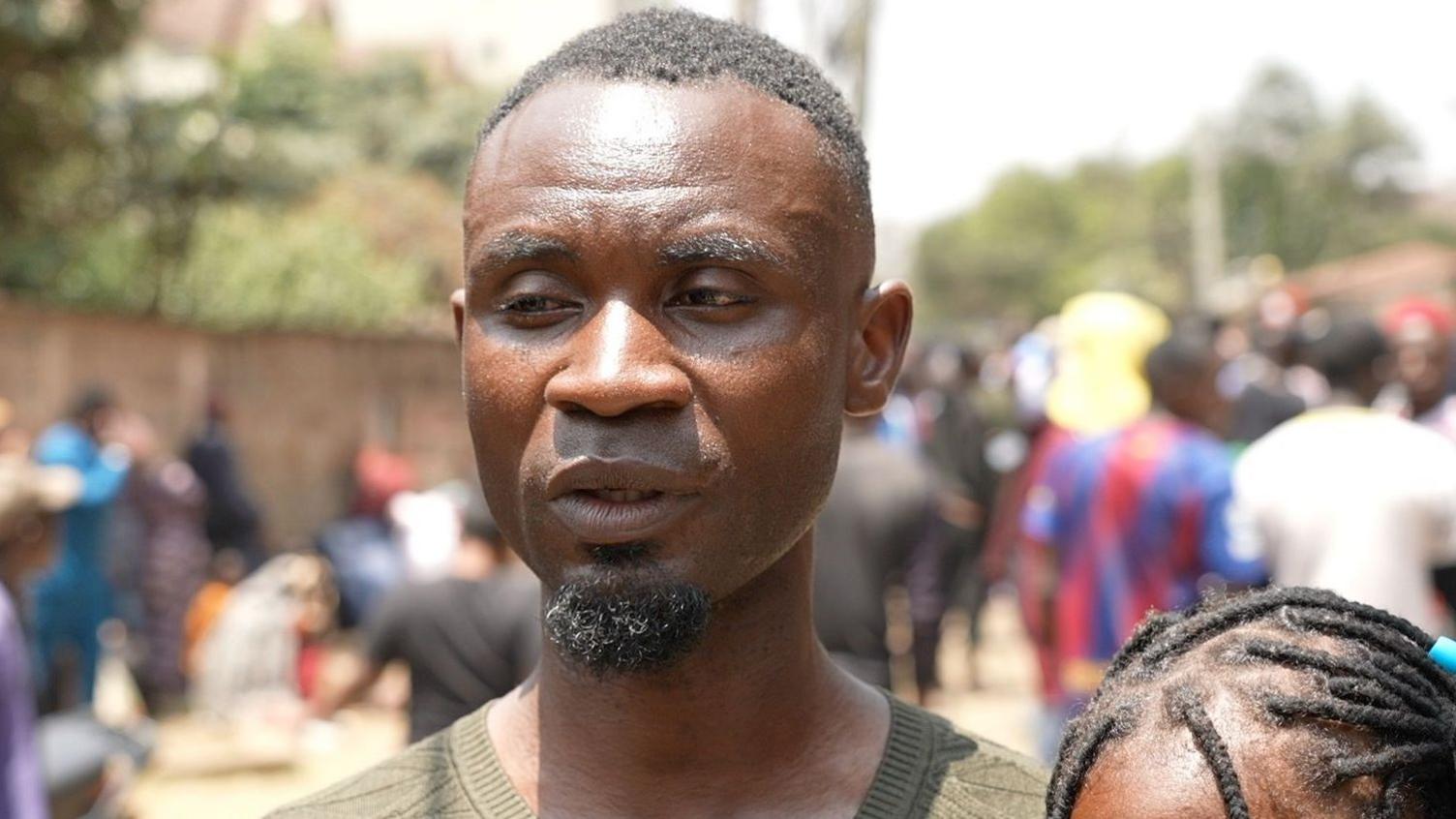
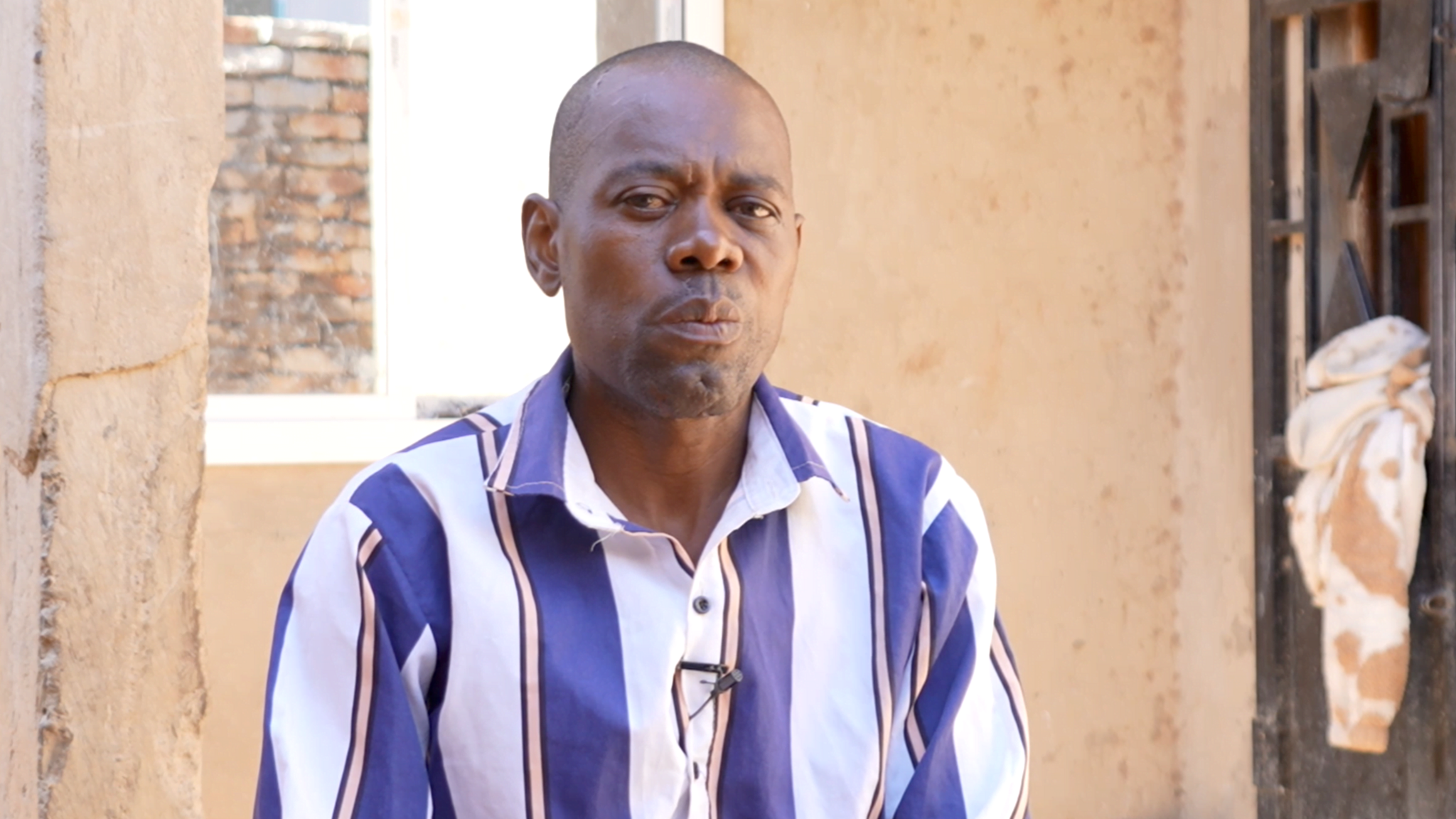
The violence follows rumours that a skin‑tap can shrink or erase a man’s genitals, a claim that has been aired in videos on TikTok and Facebook. “They shouted that we had stolen someone's genitals,” mechanic Boniface Mgala, who was attacked near the Tunduma restaurant, told the BBC. His friend was killed; Mgala survived with a head scar, a broken jaw, and a limp.
Witnesses across the continent – from Mozambique’s northern Cabo Delgado to Kenya’s Mombasa – report similar mob attacks. In Mozambique, 55 people were killed in only six weeks, including a police officer and health workers, according to the national police. In Kenya, five people were slain in coastal counties after a video circulating on Facebook urged men to “return lost genitals.”
Sources say the claims echo long‑standing witchcraft fears. The BBC Global Disinformation Unit highlighted the role of social media in spreading misinformation, noting that videos make unverified claims appear credible. Academic research on the so‑called Koro syndrome – a “missing genital retraction hysteria” – suggests a mixture of cultural belief and mental illness may also fuel the rumours.
Authorities in Tanzania, Mozambique, and Kenya have begun counter‑campaigns, with police arrests and public awareness drives. The government in Mozambique denied any medical evidence of genital loss. In Tanzania, the district commissioner said conspiracy and a desire for personal gain drove some of the attacks.

Town residents still feel the marks of terror. Mgala says, “It still hurts me deeply when I think back to the senseless manner my friend died.” He also notes that the emotional trauma runs deep even as he recovers physically.
The spread of these rumours highlights how quickly misinformation can shape real‑world violence on a large scale. Social‑media platforms like Facebook and TikTok are working to respond, but the damage has already been done, underscoring the need for swift and transparent communication by governments and communities.