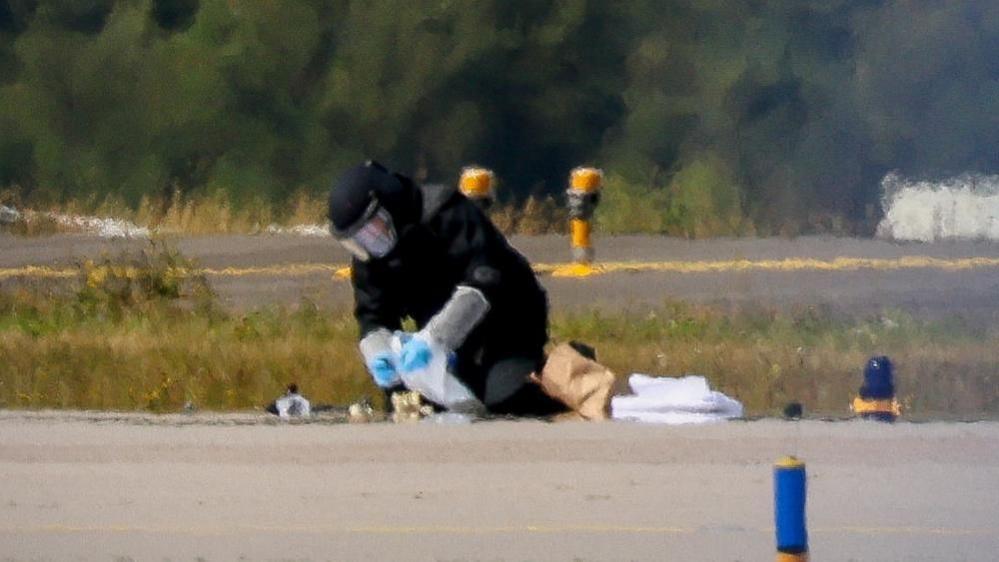
In the summer of 2026, Europe witnessed a series of incidents that many analysts have tied to Russian sabotage operations. The first major event was the discovery of drones packed with explosives at Leipzig Airport, a key node for Ukrainian military cargo. German interior minister Thomas Lange announced that the attack was likely orchestrated by Russia, a claim Moscow immediately denied.
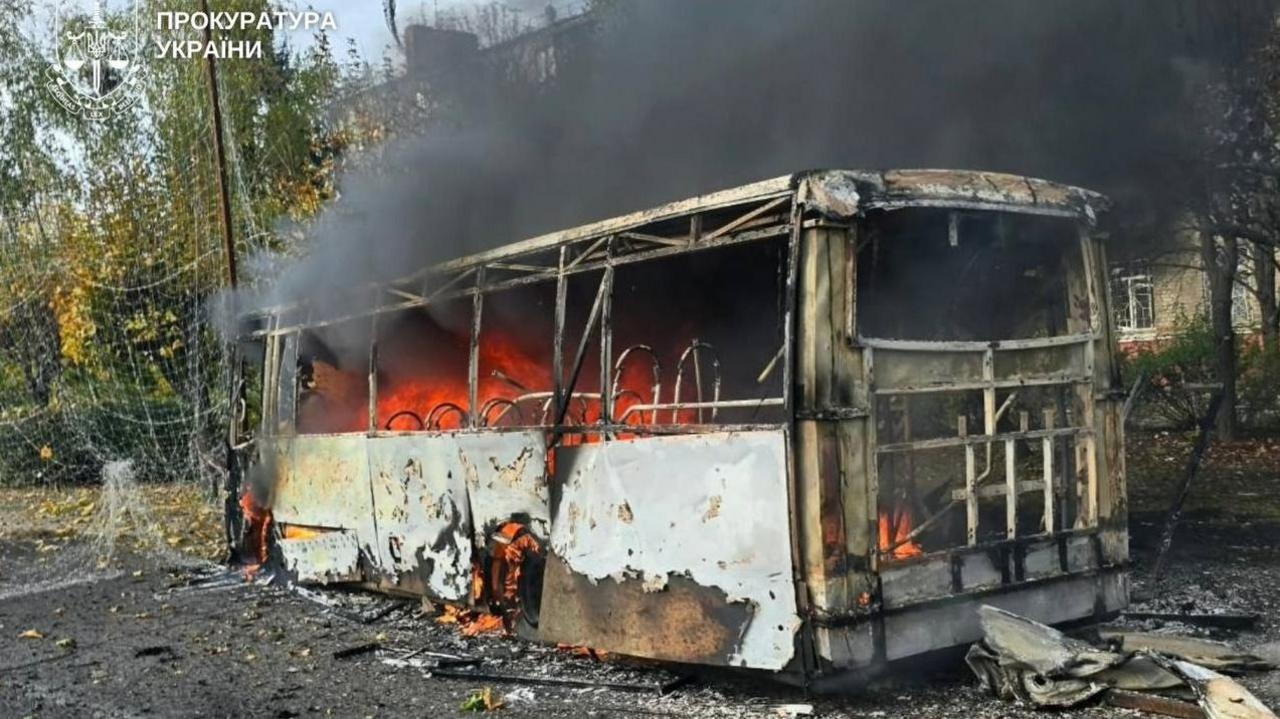
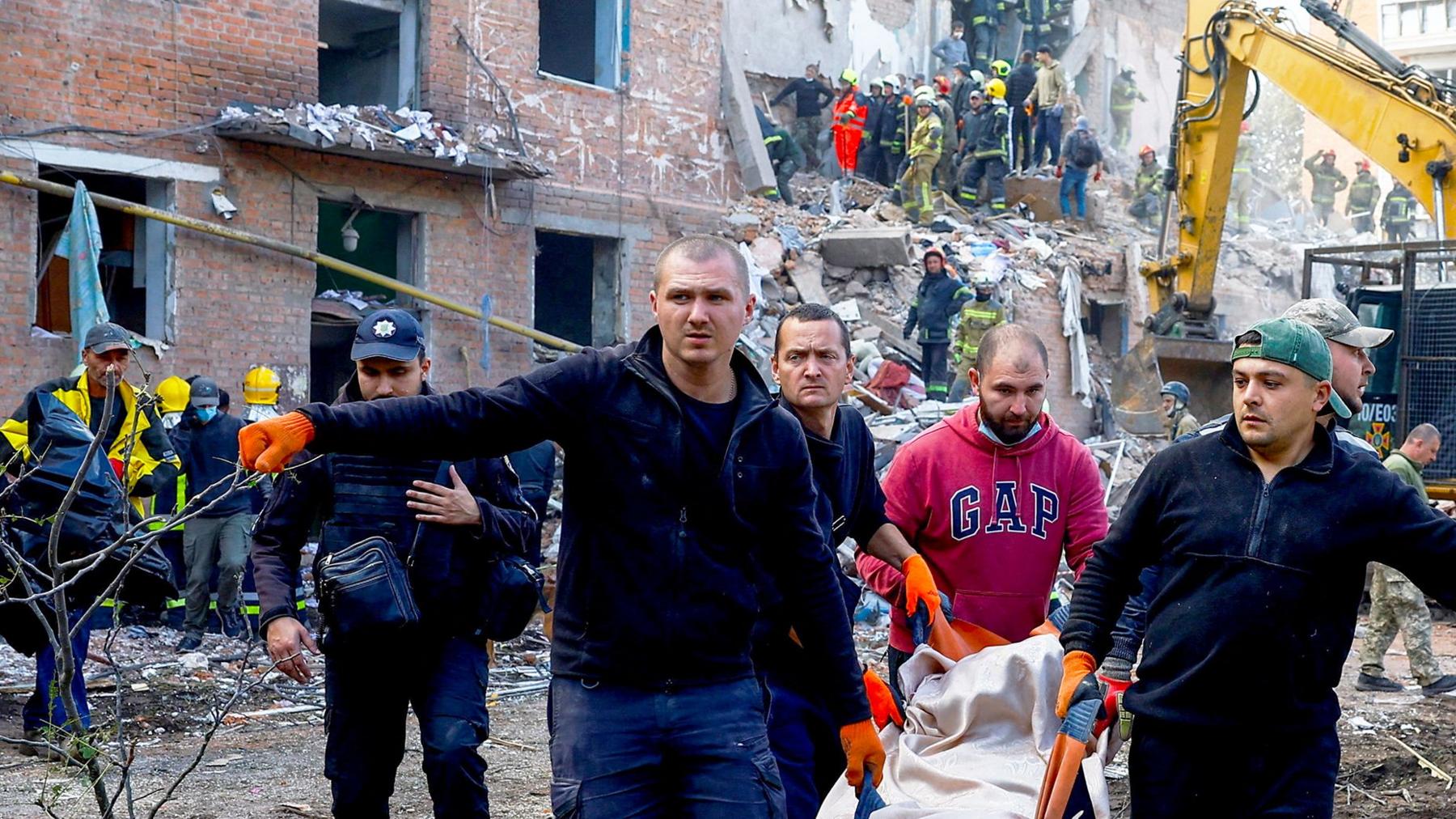
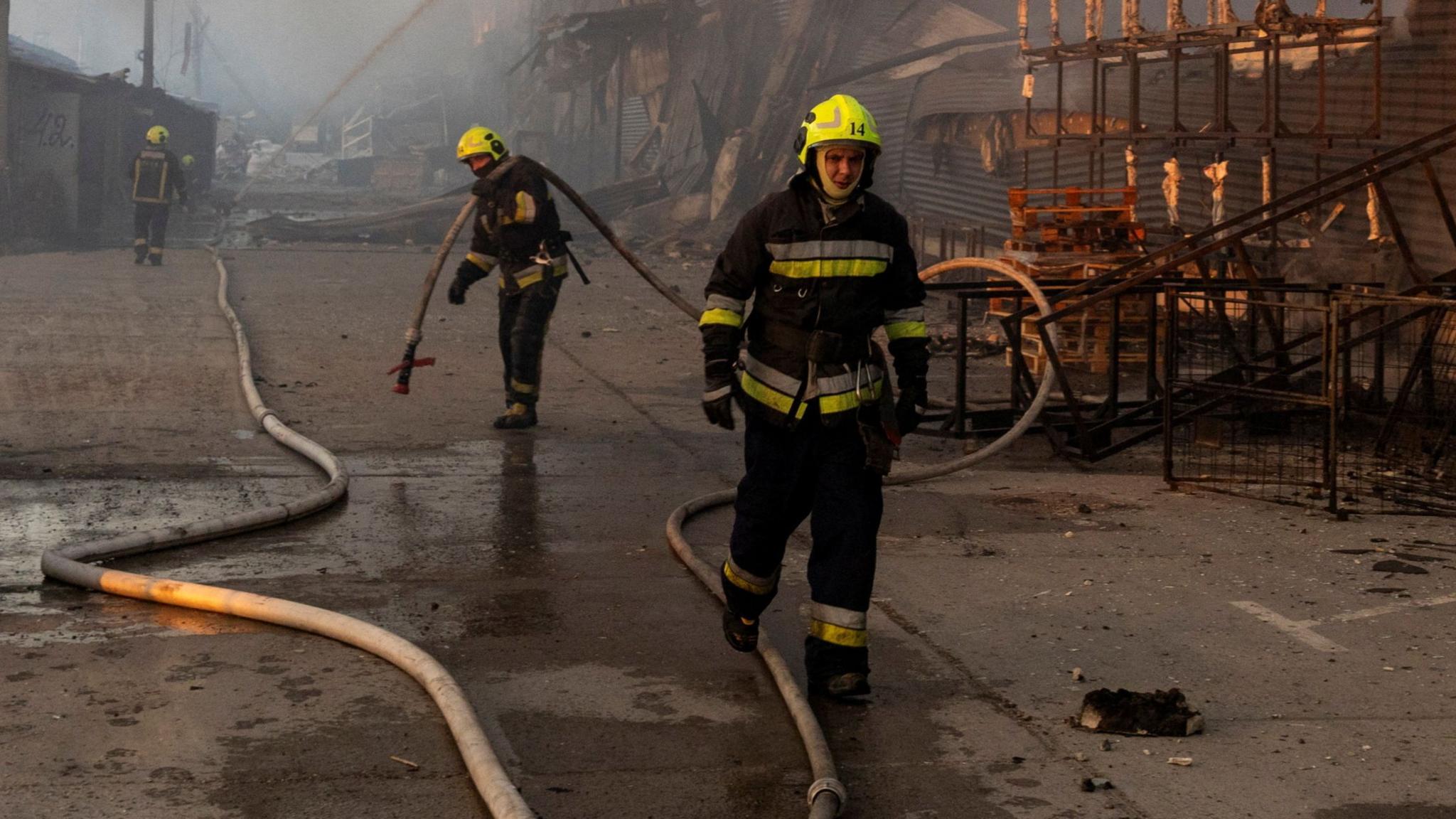
Following Leipzig, August brought a string of fires and arson plots across several defence and military facilities. In Bulgaria a warehouse belonging to the defence group EMCO went aflame; in Italy a ammunition plant outside Rome exploded; Estonia’s Milrem Robotics factory in Tallinn was set ablaze, and Slovakia’s Ukrainian‑owned drone manufacturer was nearly destroyed.
Political Reactions
Germany’s accusation sparked a diplomatic row, with President Vladimir Putin demanding proof and Russian officials branding the claim “absurd.” Chinese foreign ministry spokespersons phrased their response as “quiet concern,” while Poland’s Prime Minister Donald Tusk called the attacks a “continuation of Russia’s escalatory activities.” Tensions remain high as NATO and European allies weigh further sanctions and security measures.
Strategic Motivations
Scholars argue that the recent pattern reflects a “coercive signalling” strategy: by targeting armaments and logistics hubs, Russia seeks to pressure European nations into ending military aid to Ukraine. Daniela Richterova of King’s College London notes that such acts resemble Cold War “hybrid” tactics, aiming to erode confidence in defence partnerships.
Keir Giles of Chatham House adds that Russia is testing NATO’s limits, learning where its allies are vulnerable. The International Institute for Strategic Studies identified a surge in sabotage claims in 2024 when packages with liquid explosives reached the UK and Poland, hinting at a long‑term plan.
Attribution and Proxies
Most attacks have been carried out by so‑called “gig‑economy saboteurs”—Russian‑speaking nationals from former Soviet states hired online for cash. In Germany, the Leipzig drone loiterers were suspected to be a mix of Russian operatives and local sympathisers, a deviation from the typical proxy model.
Risk of Escalation
The potential for accidental escalation is high. An exploding parcel mid‑air or a malfunctioning drone could strike civilian aircraft, inflaming tensions and drawing NATO into a broader conflict. Specialists warn that even closed‑loop attacks might be misinterpreted, triggering an unintended chain reaction.
While European countries tighten security protocols, the overall picture remains ambiguous. With more than 165 suspected sabotage cases reported in Germany alone, authorities are grappling with sourcing definitive evidence, leaving international relations in a precarious limbo.