Executive Order Repeals Endangered Status for Gray and Mexican Wolves, Raising Conflict Between Farmers and Conservationists
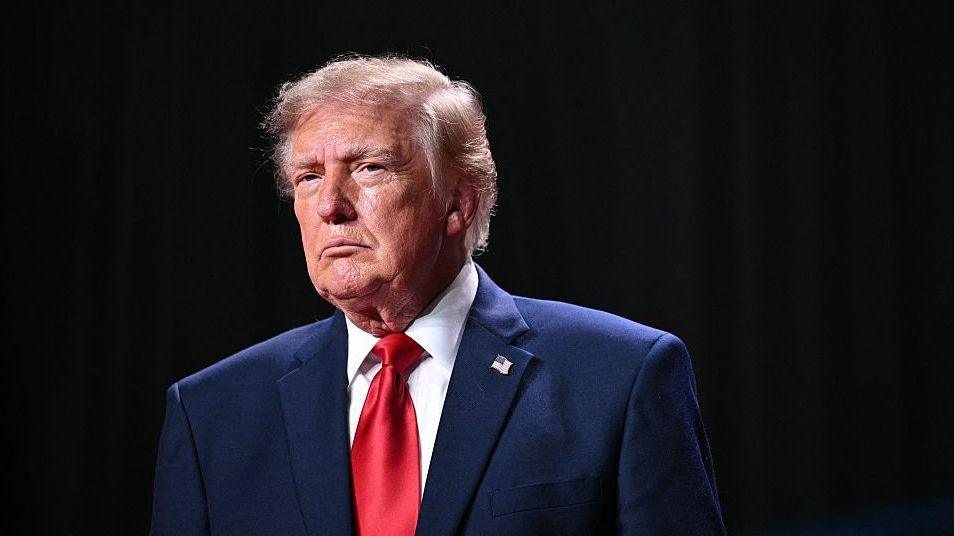
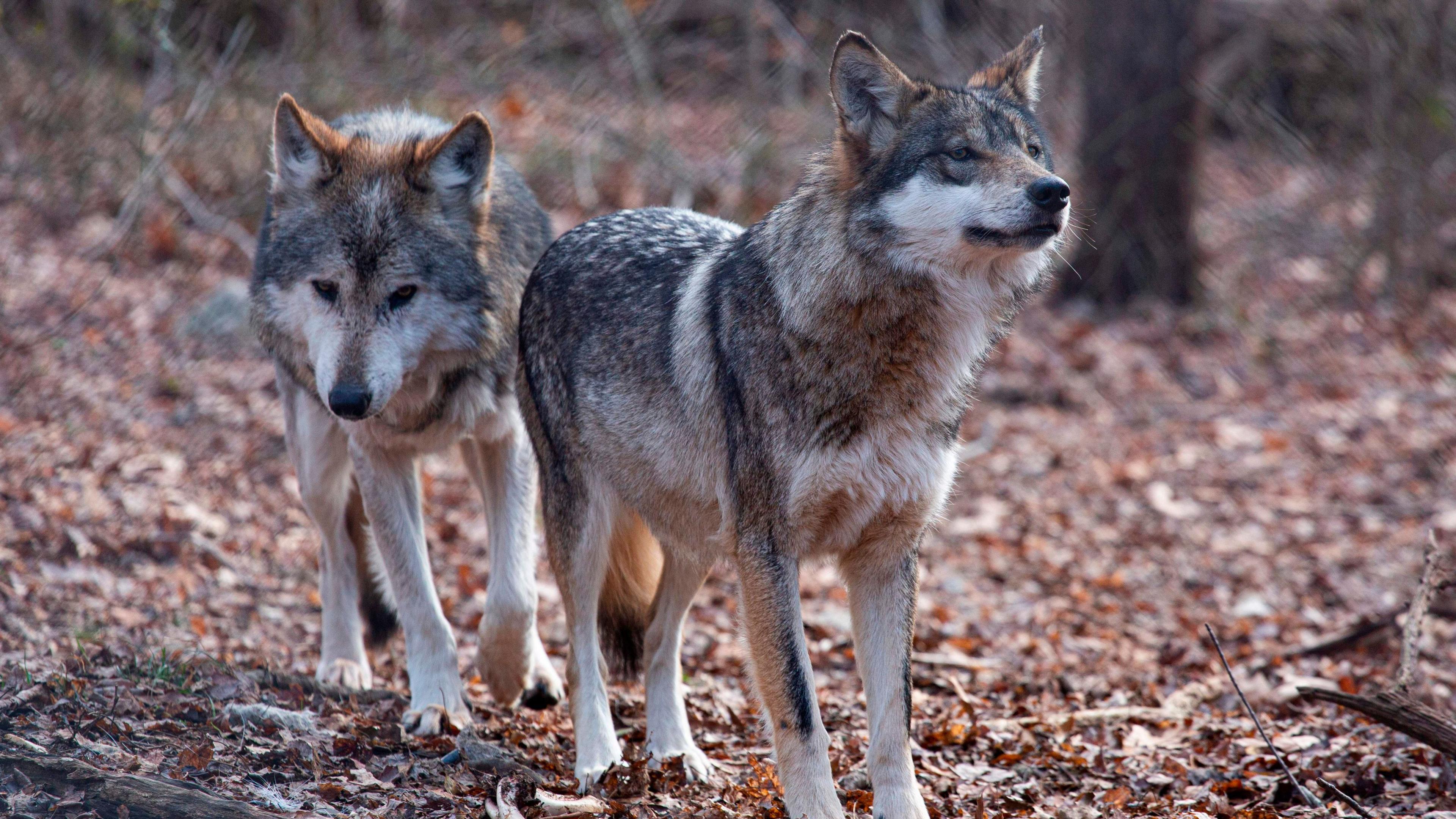
President Donald Trump has signed an executive order that removes the federal endangered‑species designation for the gray wolf (Canis lupus) and its subspecies, the Mexican wolf (Canis lupus baileyi). The move reflects an effort to prioritize livestock farming, yet it has ignited strong reactions from environmental groups, ranchers, and policymakers alike.

The order does not grant ranchers an immediate licence to shoot wolves preying on livestock. Instead, it gives Interior Secretary Doug Burgum 90 days to assess whether gray and Mexican wolves have recovered enough for delisting. If the populations remain vulnerable, federal listing would stay in place.
According to the U.S. Fish and Wildlife Service, there are roughly 18,000 gray wolves across the country, while Mexico hosts a growing population of the Mexican wolf—numbered 319 in 2025. Despite these gains, both species remain listed as endangered because large swaths of their natural habitat have been lost or disturbed by human activity.
Ranchers argue that the order acknowledges the “vital role” they play in feeding the nation, citing a 75‑year low in livestock herds and a 10% rise in beef demand over the past decade. The Trump administration also aims to lower record‑high beef prices triggered by drought and parasite outbreaks.
Conversely, conservationists warn that wolf attacks on livestock are infrequent and that the economic impact on ranchers is minimal. “This is a huge distraction to placate a handful of ranchers and make them believe that wolves are a greater threat than many of President Trump’s policies,” said Greta Anderson, deputy director of the Western Watersheds Project.
The Wolf Conservation Center points out that ranchers currently receive up to 100% compensation for livestock losses due to wolves, and many states fund deterrence programs. A delay in removal of federal protections could jeopardize welfare efforts, says Claire Musser, executive director of the Grand Canyon Wolf Recovery Project.
Legal challenges loom. An attempt to de‑list gray wolves in 2022 stalled in court, and many campaigners plan to file lawsuits against the Trump administration’s action as well. The federal government’s campaign to eradicate wolves in the late 19th century, coupled with persistent private hunting and trapping, had once brought the species to the brink of extinction.
The debate highlights the broader struggle between protecting endangered species and supporting the agricultural sector—each side contending that their priorities safeguard national interests. The next 90 days will be critical as the Interior Department decides whether to uphold or rescind federal protections for these iconic predators.