Far‑Right Alternative for Germany Seeks First State‑Level Power in Saxony‑Anhalt Elections
Germany is holding a pivotal state election in Saxony‑Anhalt on 26 July, a contest that could grant the far‑right Alternative for Germany (AfD) its first majority in a regional parliament since the end of World War II. The shadow of such a historic shift makes the election a focal point for political observers across Europe.
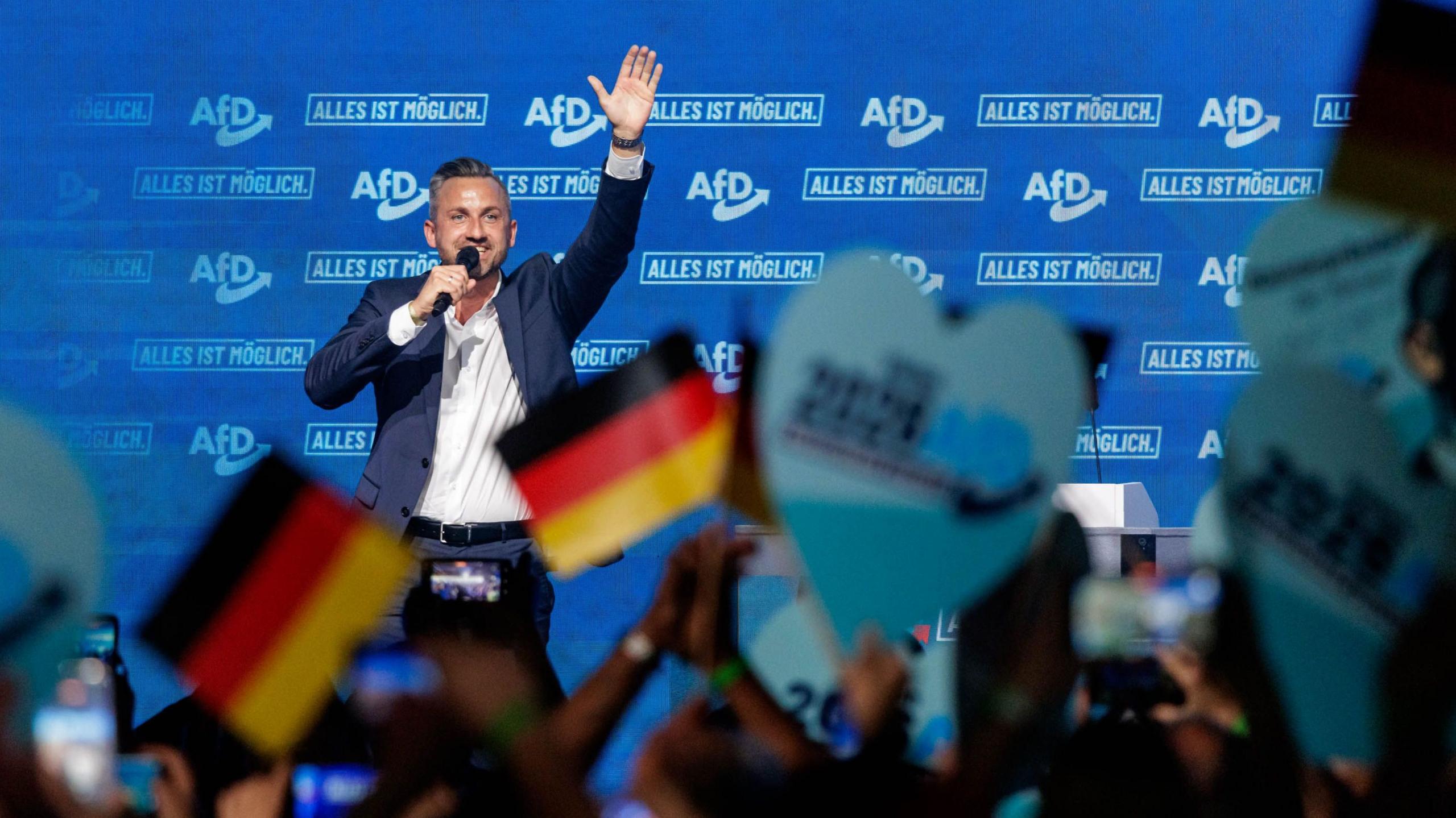
The AfD’s lead candidate, Ulrich Siegmund, has emerged as the face of the campaign. Dauer wir, Siegmund is 35, frequently appears on social media and in rallies, where he projects a message of nostalgia for a perceived past while highlighting dissatisfaction with immigration, public safety, and Germany’s high energy costs. In polls, he is positioned as the strongest challenger to the dominant Christian Democratic Union (CDU) and its leaders.
A majority would give the AfD control over local education, policing and cultural policy – powers that qualify them to claim a seat in Germany’s federal upper house, the Bundesrat. This could allow a coordinated push for the party’s controversial policies across the country.
German opposition parties maintain a formal “firewall” – the Brandmauer – that prohibits coalition agreements with the AfD. The coalition rule has been upheld despite the AfD’s status as a right‑wing extremist party in several states, including Saxony‑Anhalt. This polarization has intensified debate about the premises of democratic stability.
The AfD’s manifest claims paint a vision of a Germany prioritised by traditional values. The party proposes segregated education for refugee children with an emphasis that their stay in Germany is temporary, bans the display of LGBT rainbow flags in schools, and seeks a new historical narrative that limits instruction on Nazism.
Other parts of the platform promise stricter immigration controls, including a task‑force to identify and deport foreign residents who may no longer have a legal right to stay. The party’s politicians have also faced scrutiny for supporting pro‑Russian activities, suggesting a potential conflict of interest with sensitive intelligence functions.
In addition to the policy debate, the elections are entwined with larger security concerns. German intelligence agencies warn of active Russian‑backed disinformation campaigns targeting the election and the AfD’s rivals – a phenomenon that local officials describe as “anti‑Russian hysteria.” These developments further raise the stakes for the election’s outcome.
Should the AfD secure a decisive victory, it would become the benchmark against which future state‑level elections are measured, confronting the national government to adapt its strategy in response to a regime that expects to wield authority. The election will also test the resilience of Germany’s policy on progressive values, state culture and national security protocols.
With the regional vote unfolding over the weekend, observers remain attentive to how the AfD’s agenda will be received by the populace and whether the mainstream parties can maintain their policy steering role amid a potential surge in far‑right representation.