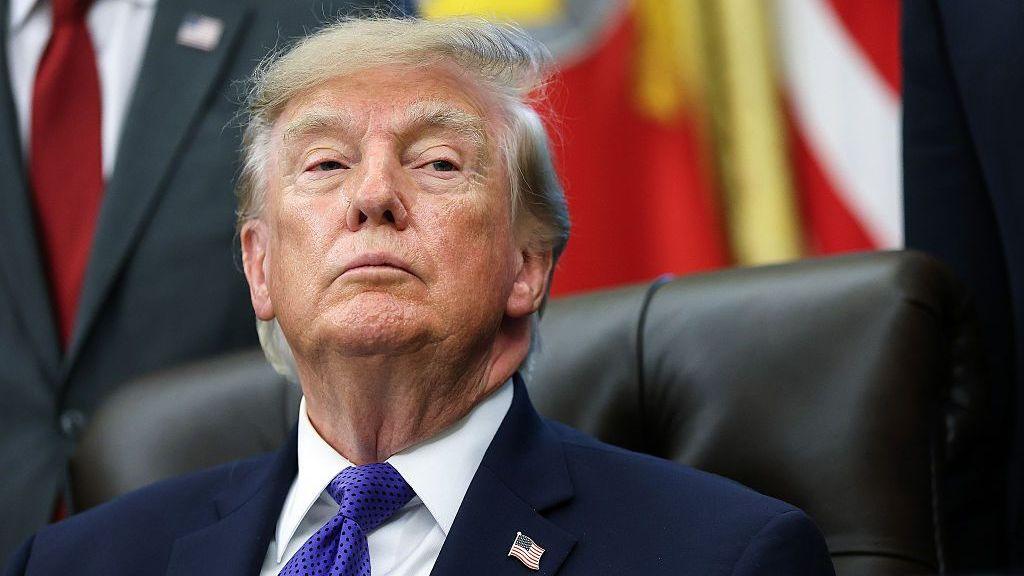
Former White House teleprompter operator Gabriel Perez has been ordered to return $107,539 in earnings and pay a $65,000 civil penalty, bringing the total amount to $172,000 (£127,000) after regulators found he used inside knowledge to bet on President Donald Trump’s speeches.
The Commodity Futures Trading Commission (CFTC) determined that Perez placed trades on Kalshi – a prediction‑markets platform – from December 2025 to February 2026, based on what Trump would say during his public addresses. Kalshi and the CFTC reported that the bets were made “in breach of his duty of trust and confidence,” and noted that his cooperation with the probe led to a reduced penalty.
Besides the financial penalties, Perez faces a three‑year ban from trading on Kalshi. The case follows an earlier White House warning issued in July that aides should not engage in betting on political statements, a policy echoed by the Campaign Management Office.
Politically, the settlement reflects a heightened enforcement stance toward prediction markets involving high‑profile officials. Scholars and market technologists argue that political statements can move billions in financial markets – from foreign exchange to oil futures – making insider information particularly potent. Others worry that regulatory crackdowns may curb legitimate parliamentary debate and transparency if officials are hesitant to share non‑public insights.
Industry representatives have welcomed the decision as a test case for the limits of insider trading. Bobby DeNault, Kalshi’s lead lawyer, stated: "It doesn't matter who you are: if you violate our rules or federal law, you will face the consequences." The CFTC’s move may prompt other prediction‑market platforms to enhance monitoring to avoid future lapses, while critics of the penalties argue that the scale and speed of modern data differ from historical insider‑trading contexts.