German State Election: The Alternative for Germany Seeks Breakthrough in Saxony‑Anhalt
Berlin correspondent Jessica Parker reports that the state election in Saxony‑Anhalt, scheduled for 26 July, has become a national turning‑point. The Alternative for Germany (AfD), a far‑right party founded in 2013, has risen to the top of the polls and now seeks a majority in the state parliament—its first chance to hold government power since the end of World War II.
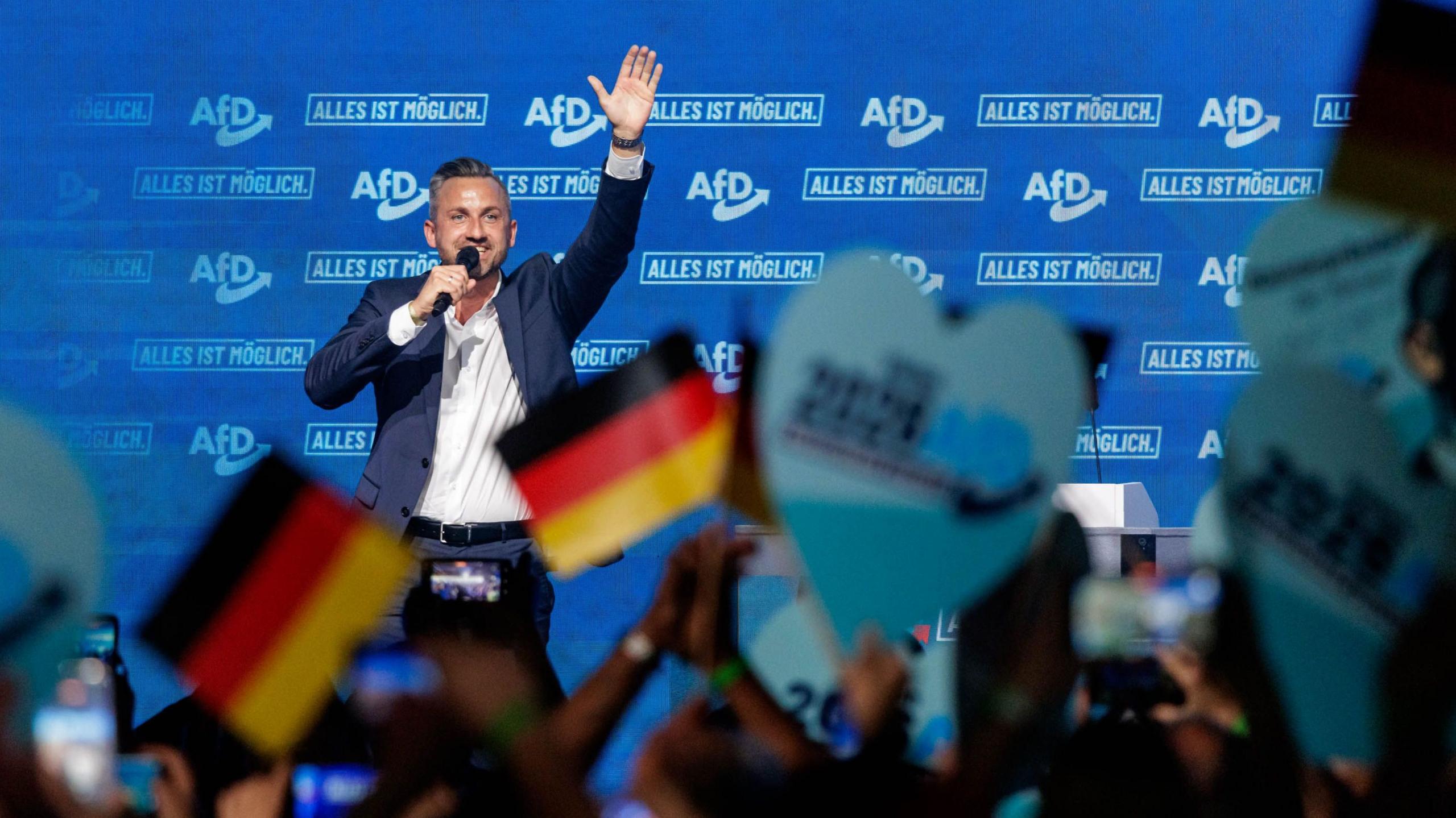
The AfD’s lead candidate, 35‑year‑old Ulrich Siegmund, has been the face of the campaign. He has narrated a narrative of nostalgia and frustration, portraying migrants as outsiders and German economic woes as a result of “cultural alien” inflows. In a recent rally, supporters waved banners with slogans such as "Germany, Meine Heimat" and accused the party of pushing a nationalist agenda linked to German history.
Opposition parties—mostly Christian Democrats, Social Democrats and Free Democrats—remain united in an informal "firewall” ("Brandmauer") against the AfD. They refuse to join any coalition that includes the far‑right. Chancellor Friedrich Merz, whose own popularity has faltered, faces the risk that if the AfD takes power, he could be forced to step down as long‑time electorate confidant in a country that has tried to distance itself from extremist politics.
If the AfD wins a majority, it could pursue controversial measures such as dividing migrant children into classes, restricting LGBT symbols in schools and renegotiating Germany’s aid to Ukraine. The move would also bring the party into the Bundesrat, Germany’s second chamber of federal legislation, giving it a platform to influence national policy. Analysts note that the AfD’s leap to state government would signal a new era where a party once considered a fringe movement could shape the national narrative.
"The AfD has answered the promise to end the rise of the far right, and yet it is advancing joint opposition to the government," a party spokesperson said.
Saxony‑Anhalt’s electoral system allows parties that surpass the 5 % threshold to enter the Landtag (state parliament). The AfD has been polling near 30 % in some exit polls, a margin sufficient for a single‑party majority – a scenario that would bypass most smaller parties dominating the 5 % line. In the event of a split vote, the AfD would need to negotiate with smaller factions, but the general perception is that any coalition would be disfavoured by the electorate.
Experts warn that an AfD‑led government could become a test bed for new policing and education policies, potentially raising concerns about domestic intelligence agencies. Meanwhile, Russian‑backed disinformation campaigns intensify, colouring the election discourse with narratives of “anti‑Russian hysteria” invoked by Moscow, thus adding an international layer to the already charged political environment.
The results will therefore not only determine who governs Saxony‑Anhalt but also threaten to redefine Berlin’s coalition and the stability of the federal system. The state’s small population belies the importance of this election— a win for the AfD would mean the first time German elites would have to navigate a far‑right party in an elected body.
For now, the country watches the campaigning with tension, hoping a clear majority could bring either consensus or a costly shift in German politics.