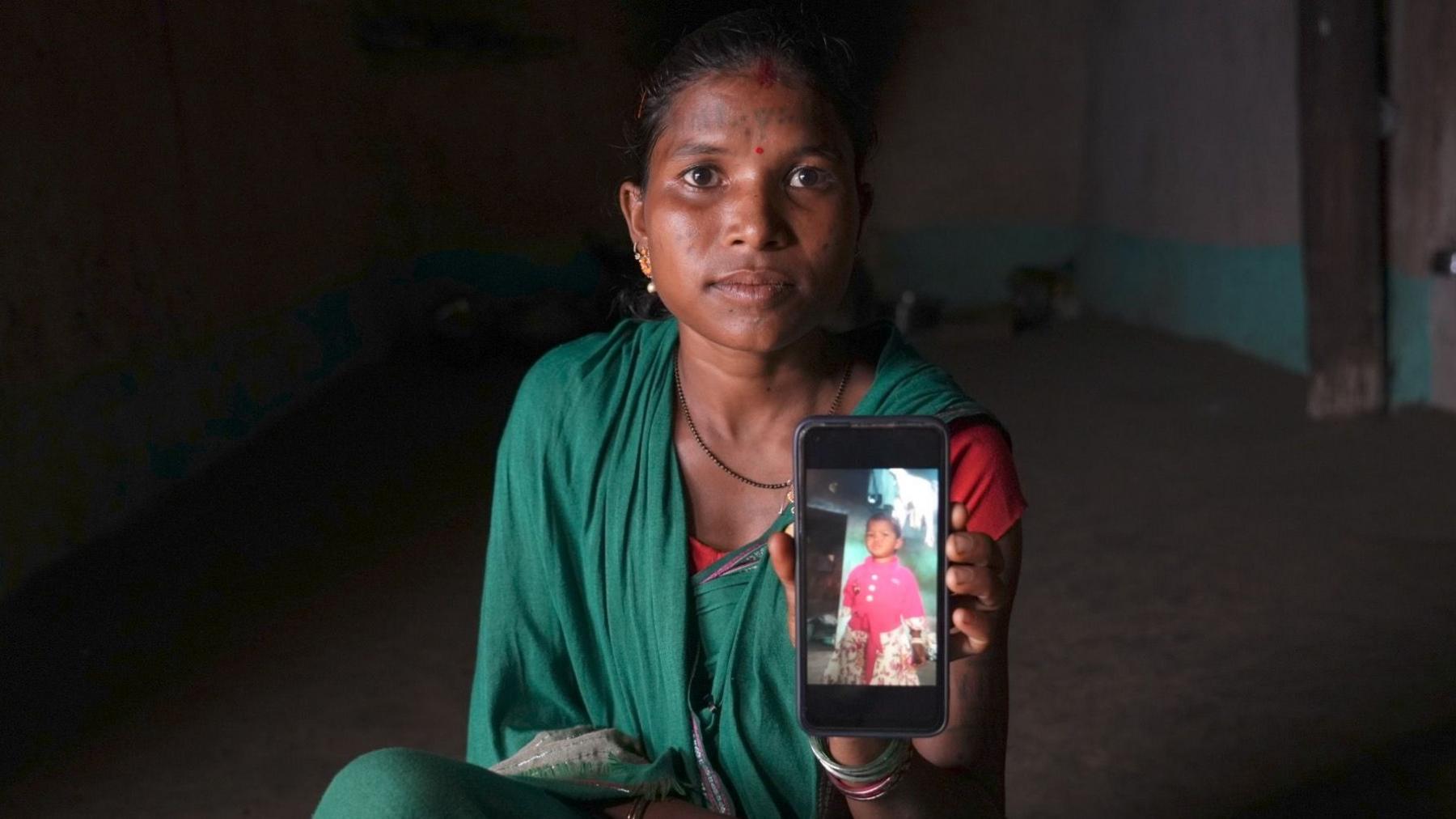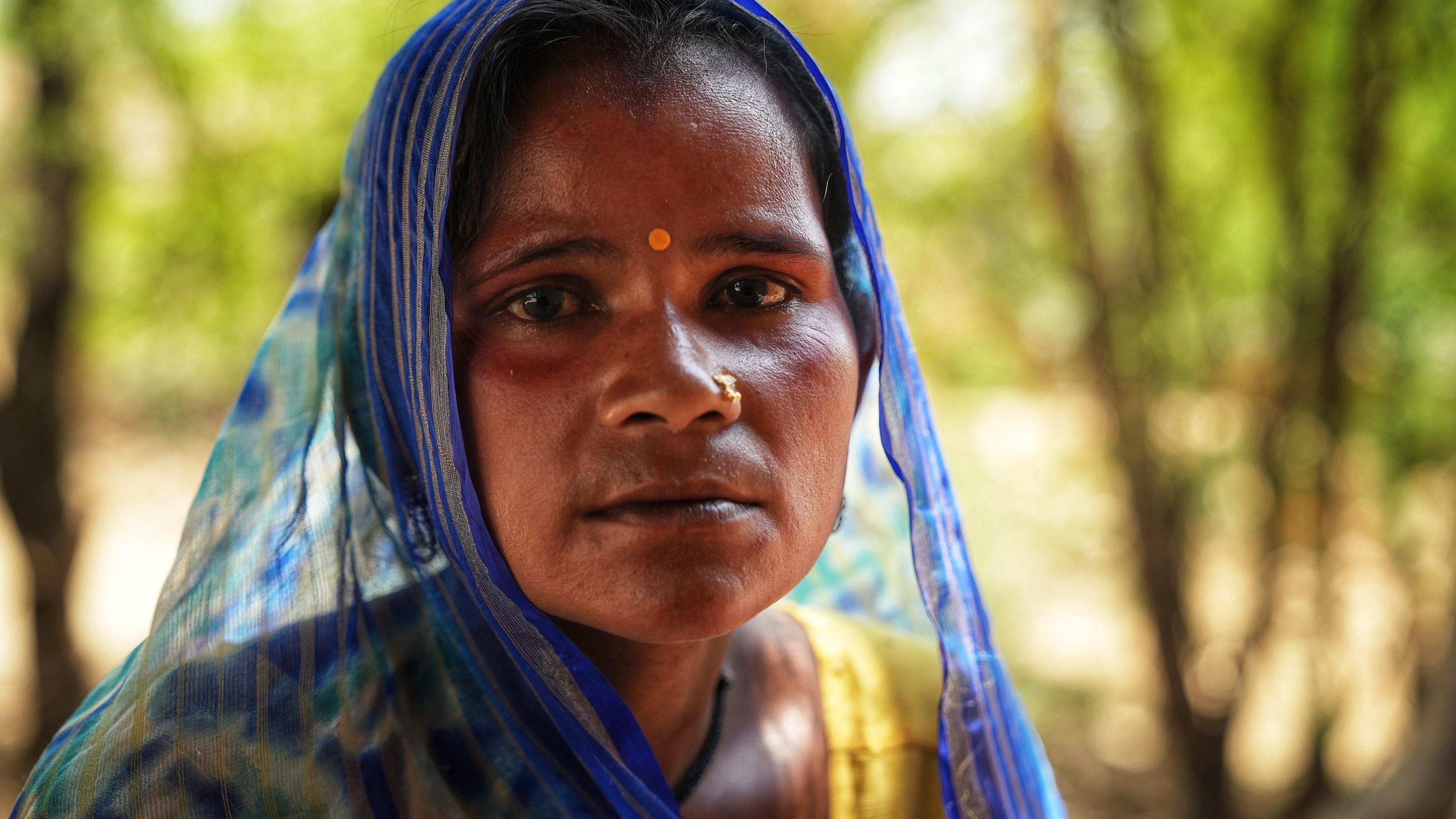
In the semi‑arid Bundelkhand plateau, where temperatures often reach 40ºC, 40‑year‑old Mamta makes up to ten short trips each day to fill her family’s buckets from the sole handpump that remains after two years of dry taps.
The handpump, located a brief walk from her home in Jalaun district, is one of the few reliable water sources that the village’s 1,000 residents depend on. Yet access is complicated by age‑old caste hierarchies; Mamta, a member of the Valmiki community, reports waiting for upper‑caste families to finish before she can step forward.
"If they are standing there, we cannot fill water," Mamta says, a statement echoed by many in the village who explain that some dominant‑caste members pour water over the pump to "cleanse" it afterward.
Bundelkhand, known for its rocky terrain and poor groundwater retention, has endured several severe droughts between 2002 and 2016, making the region a symbol of water insecurity in a country where many areas face similar challenges. Recent studies confirm rising temperatures across nearly the entire plateau, with some places reaching nearly 48C in summer months.
While local officials claim no evidence of injustice at public water points, a chilling pattern of violence is documented by the Dalit Dignity and Justice Centre, which records 113 caste‑based complaints in 2025 alone – the majority connected to water conflict during May and June.
In one incident, a woman named Parmi Devi was assaulted after a dispute over pump access. She alleges she was beaten thrice after a confrontation with a dominant‑caste member, an act she filed a police complaint against.
Researchers point out that climate change is a threat multiplier rather than a root cause; even with more water provision, unequal distribution along caste lines can keep disparities alive. Initiatives like the Jal Jeevan Mission aim to supply piped water to every rural household, while community groups restore ponds and engage women, yet an underlying social bias remains unaddressed.
In the early mornings and late afternoons, when heat is less intense, Mamta and other community members attempt to avoid confrontations. Yet the increased demand for water during extreme heat creates new pressures, intensifying historical tensions.