Hydropower dominates Nepal’s electricity grid.
Almost 100 % of the country’s power is generated from the rivers of the Himalayas, delivering over $200 million a year in export revenue to India and Bangladesh.
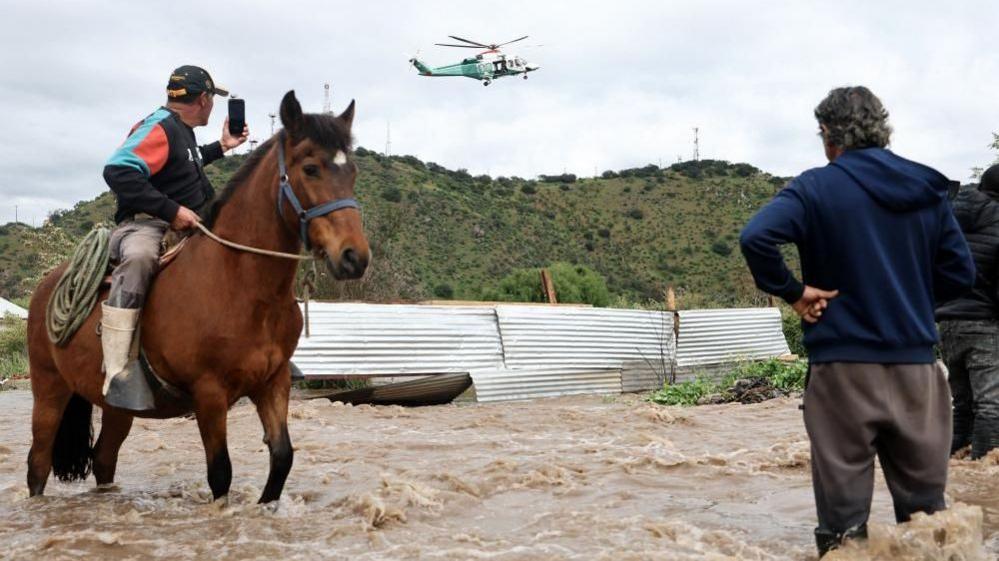
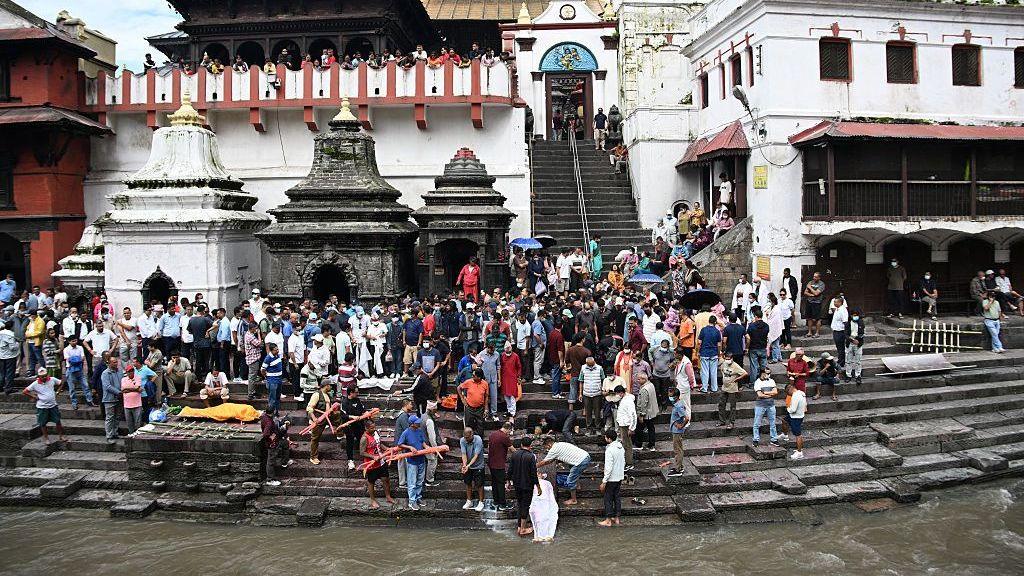
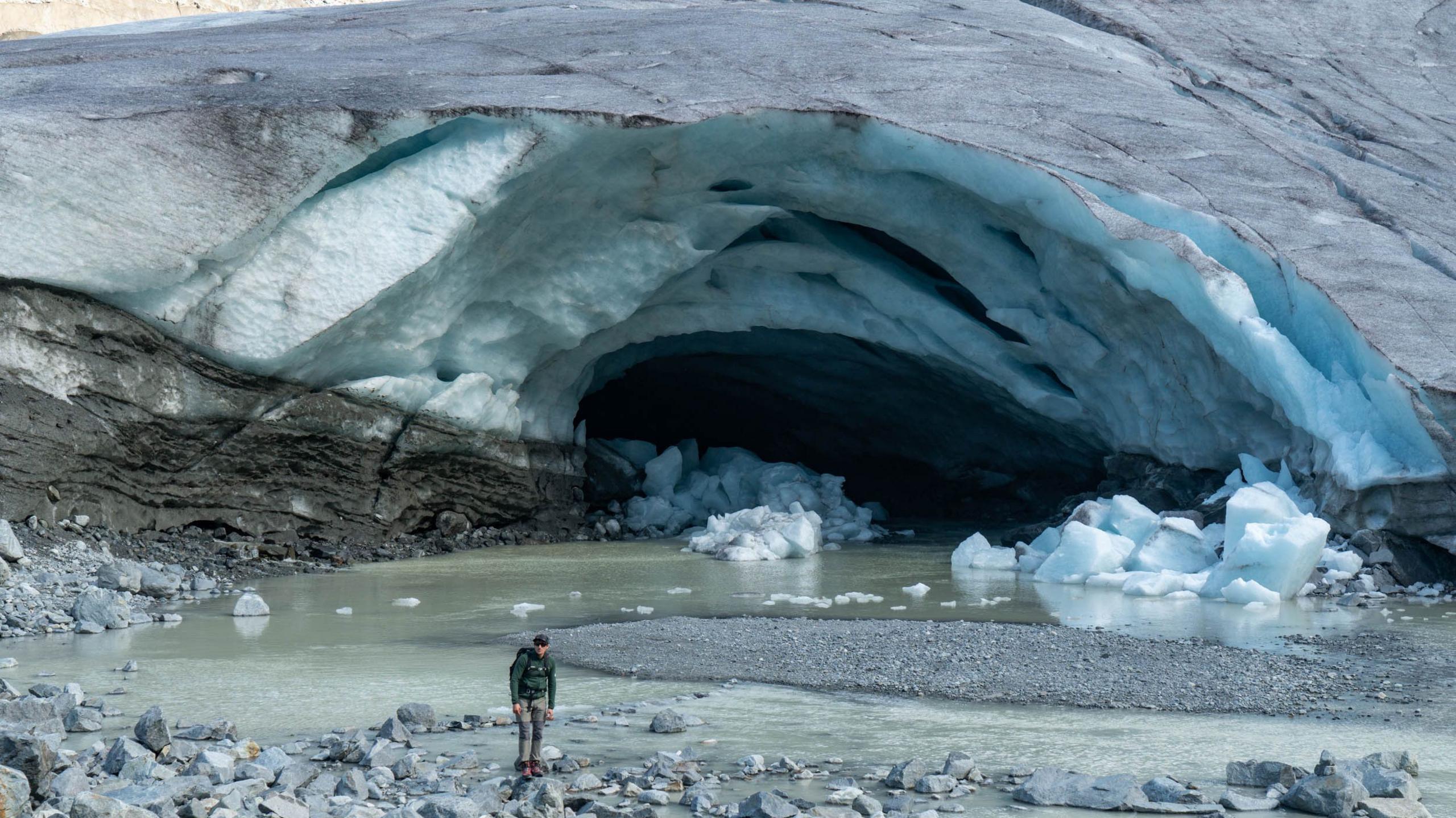
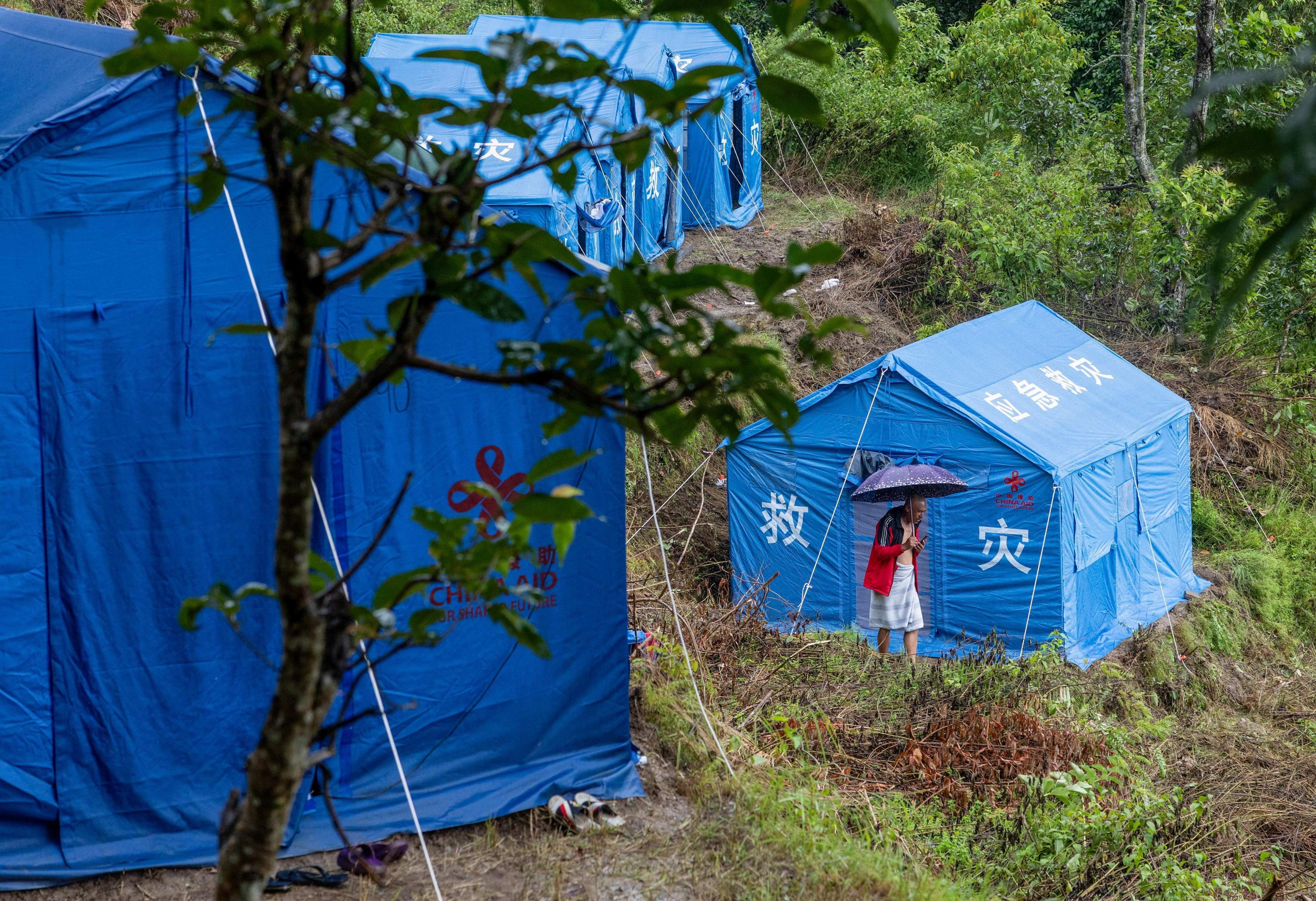
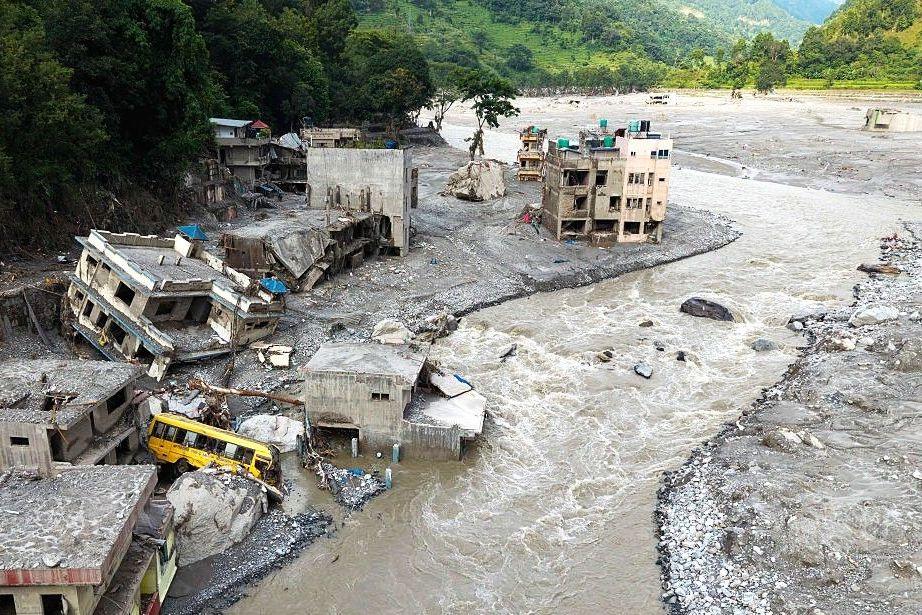
But the very glaciers and mountains that provide this natural advantage are warming faster than the global average. The August 2026 floods, which claimed more than 1,300 lives and left thousands missing, destroyed twelve hydropower plants in the Trishuli River basin and knocked out more than 10 % of the nation’s total generation capacity.
"We don’t yet know which of these facilities can be brought back to operation," said Rajan Dhakal, spokesman for the state‑owned Nepal Electricity Authority, a corporation that owns six of the damaged plants. He also conceded that the rising frequency of climate‑related disasters calls for a re‑think of the country’s hydropower policy.
Opposition to a monolithic strategy has grown. Renewable energy advocate Kushal Gurung of WindPower Nepal warned, “We shouldn’t put all our eggs in one basket in these dangerous times.” He calls for policy reform that seriously embraces solar and wind, noting a German study that estimates Solar’s potential in Nepal is about ten times larger than hydropower’s.
But experts acknowledge limits to diversification. Puspa Sharma of the National University of Singapore cautioned that while there is untapped capacity in wind and solar, it can only cover a fraction of current needs. “Hydropower still gives us competitive advantage in the region,” she said.
Climatologists argue that the flood is a stark reminder of the transboundary nature of climate risk. Manjeet Dhakal, a UN climate delegation member, called for shared data, joint early‑warning systems, and collective action, stating, “The hydropower industry is one of the few ways we reduce emissions, so we cannot be burdened alone with the fallout.”
Investors have been forced to reassess the economics of hydropower. The Upper Trishuli‑1 project, valued at about $647 million, suffered a devastating collapse. And insurance payouts for flood damage have pushed premiums high, making private operation of plants financially unsustainable. Scott Thakkar of the South Asia Network on Dams, Rivers & People noted that lenders, aware of the risks, “did not take preventive steps or demand stringent checks.”
All these voices converge on a single realization: Nepal’s reliance on Himalayan hydropower is a high‑stakes gamble. The future will likely require a mix of careful engineering, risk‑aware planning, and broader renewable portfolios to ensure electricity supply and national resilience in the face of climate change.