Joshua Wong Pleads Guilty to Foreign Collusion Under Hong Kong’s National Security Law
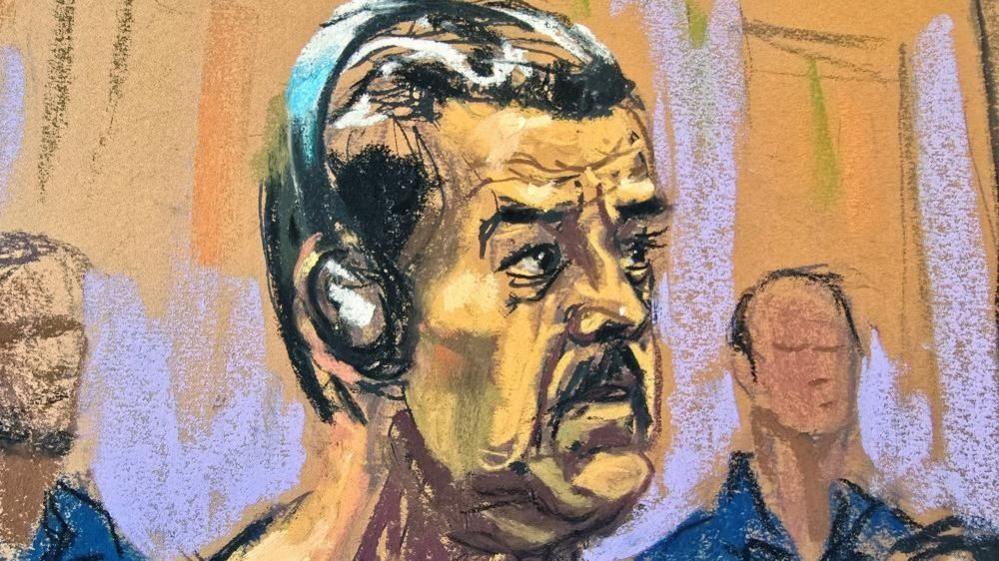
Hong Kong’s most prominent democracy agitator, Joshua Wong, has admitted guilt in a criminal case that could see him face the life‑imposed maximum penalty under the 2026 National Security Law (NSL). The charge alleges that he, along with former activist Nathan Law, lobbied abroad from July 2020 to November 2020 to push sanctions and other restrictive measures against Beijing.
Wong is already serving a four‑year‑eight‑month term for an earlier NSL conviction—his 29‑year‑old life had been cut short by a subversion ruling in late 2024. The court today said he would be sentenced after the current sentence end next spring, when he will have been inside prison for more than 2,000 days.
The prosecutor’s narrative traces Wong and Law’s international lobbying trips to the United States, Germany and Italy, citing the 2019 Hong Kong Human Rights and Democracy Act of Washington. That law obliges the U.S. to impose sanctions on mainland and Hong Kong officials responsible for human rights abuses—the same set of prosecutors say the duo promoted.
From the government’s perspective, the NSL is a necessary safeguard to maintain “social stability” and protect the city’s autonomy. Beijing officials argue that the stringent provisions curtail “foreign interference” and have been effective in stalling coordinated dissent.
Critics in Hong Kong and abroad see the whole process as a drift toward authoritarianism. They contend that criminalizing lobbying against a sovereign state infringes on the rights to free expression and international cooperation. The international community stays divided: some European governments urge Beijing to respect human rights, while others remain cautious not to jeopardise trade relations.
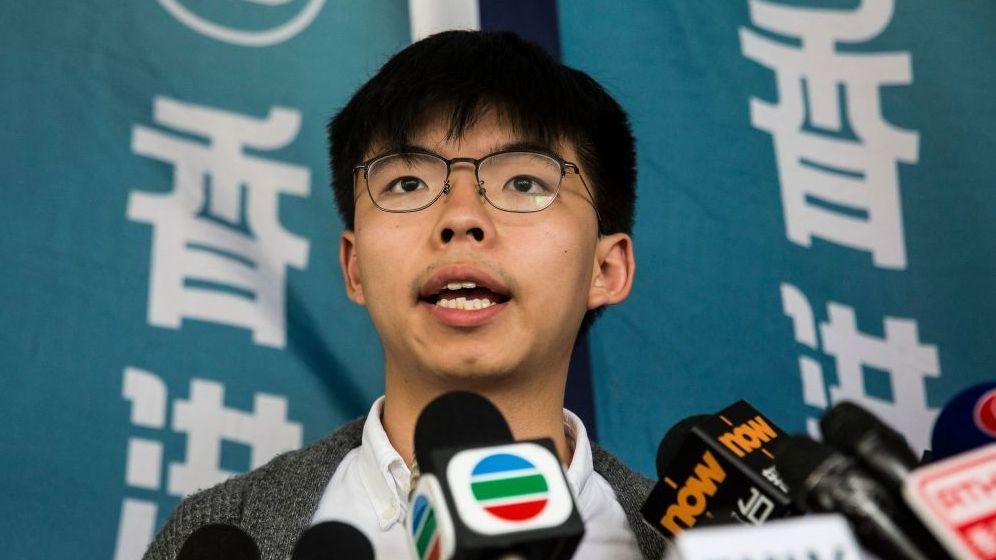
Wong’s supporters gathered in court to cheer him with chants of “Hang in there.” Personal accounts of his time in prison reveal a man who took up guitar lessons and fitness routines, aiming to endure the long haul and remain a symbol for the movement.
As court proceedings continue, analysts watch carefully. The outcome will shape whether Hong Kong can balance the imperatives of national security with the principles of an open civil society.