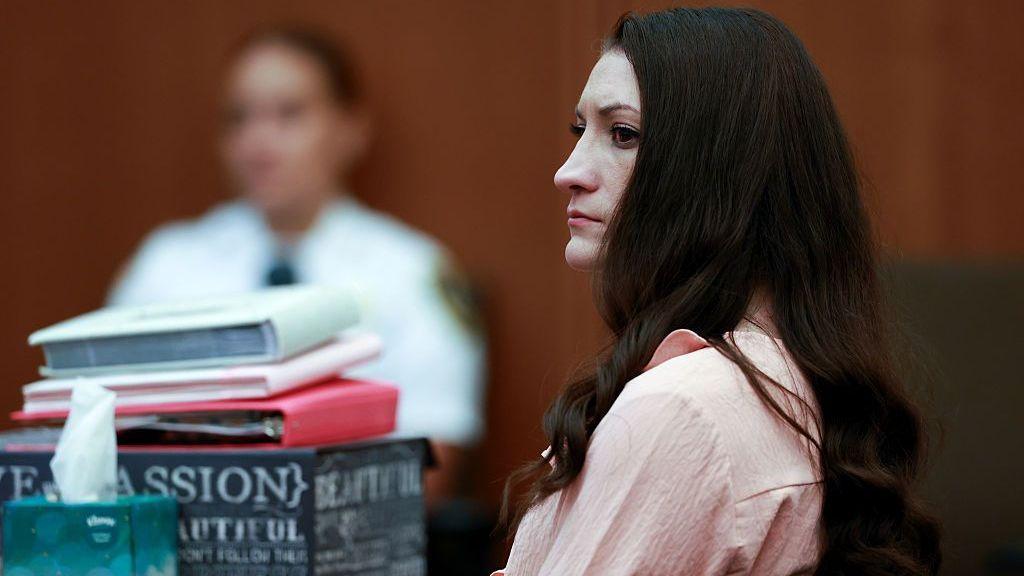
The jury’s options in Lindsay Clancy’s murder trial
The jury faces five exceptional verdict choices after the 2023 murder of Lindsay Clancy’s three children.
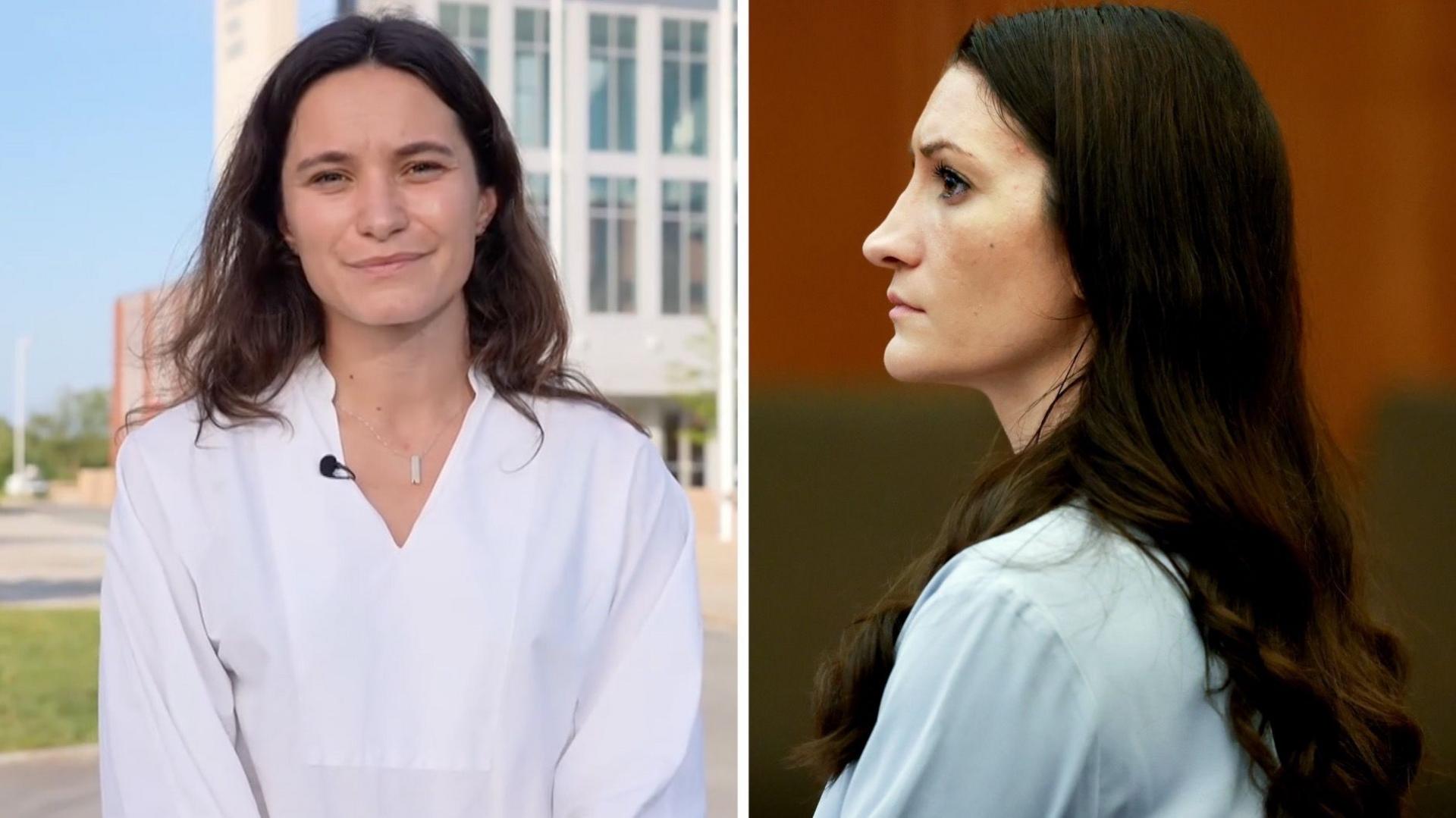
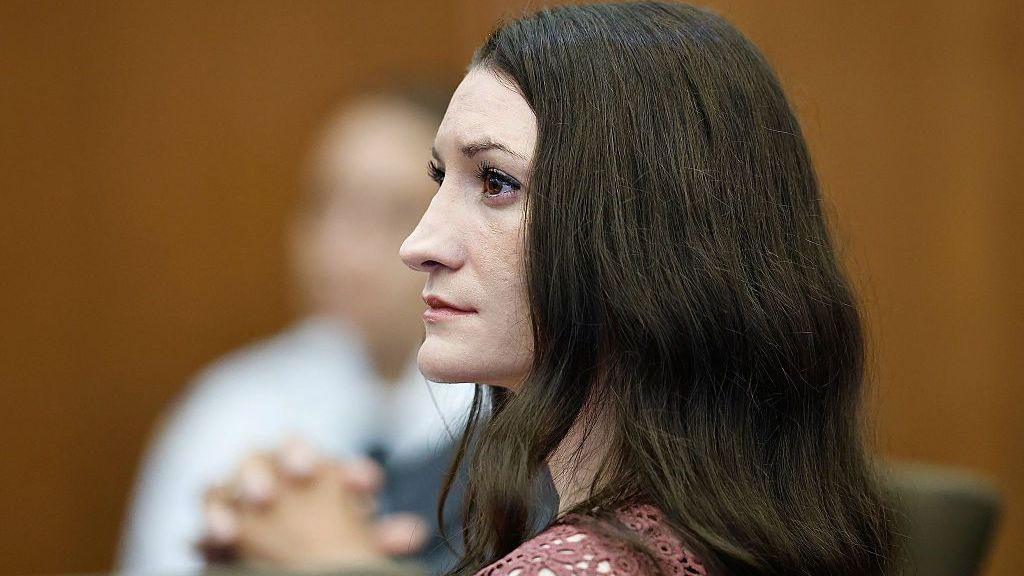
Clancy, a 36‑year‑old former nurse, killed her two sons and daughter in the basement of their Massachusetts home. She accepts that she killed them but argues she was suffering from postpartum psychosis and thus could not understand right from wrong.
The prosecution maintains that she deliberately and intentionally carried out the killings, fully aware of their nature.
On Monday, a jury of nine women and three men will deliberate on:
- Not guilty
- Not guilty by reason of insanity
- First‑degree murder
- Second‑degree murder
- Manslaughter
Not guilty / not guilty by reason of insanity
Defense hinges on the postpartum psychosis defense – testimony that Clancy hallucinated a voice telling her to kill her children after birth. Expert witnesses described the severe impacts of this condition. Massachusetts law requires the prosecution to prove Clancy’s criminal responsibility; they must show she was sane or that her mental illness did not prevent her from controlling her actions. An acquittal is unlikely; an insanity verdict would send her to a psychiatric facility.
First‑degree murder
This conviction would impose mandatory life in prison without parole. Jurors would need evidence of premeditation or extreme cruelty. The prosecution argues Clancy knew her actions were wrong, rejecting mental illness as a mitigating factor. A judge’s remark that Clancy would be seen as "a monster" underscores the seriousness.
Second‑degree murder
Relying on malice or extreme recklessness without preplanning, this charge still carries life in prison, but with possible parole. It requires less proof of premeditation than first‑degree.
Manslaughter
The court now permits a manslaughter verdict. It denotes unintentional or negligent killing. The prosecution is not obliged to prove intent for this outcome. The jury can accept that Clancy acted in a split‑second moment, possibly influenced by her illness, without prior planning.
Until the jury reaches a decision, the case remains a stark illustration of how mental health claims intersect with criminal statutes in the United States legal system.