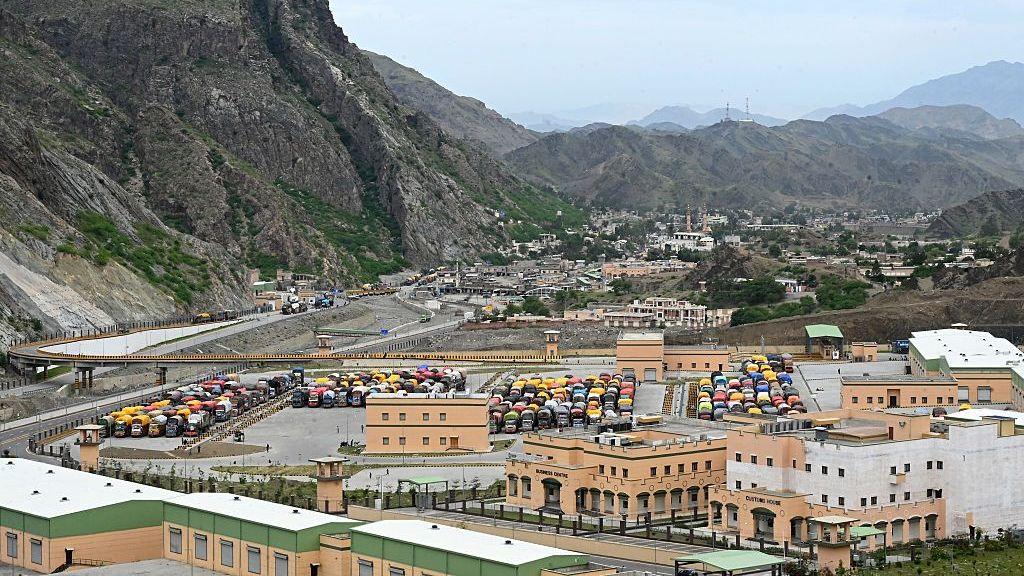
The Torkham Crossing – A New Frontier of Uncertainty
When 35‑year‑old Nazia crosses the Pakistani border into Afghanistan, she steps from a life of exile into a country that has only recently seen new troops sworn in. Her smile is short‑lived; the heat and the thud of tractors echo the stark reality that a life on the border is about to end or begin again.
Every year, the zero point becomes a sloping line on the map: pregnant with hope, but edged with fear. Nazia’s family – eight sisters and their children – were in the same truck that carried dozens of other Afghans who have never been to the country they were born in or have lived in for decades.
These returnees are part of the largest mass movement ever recorded, with UNHCR citing six million people of a population a small nation’s size being forced back within three years. The numbers are not limited to the undocumented; those holding official Pakistani residency cards are included as well.
Both Pakistan and Iran have stepped up crackdowns, telling Afghans that staying is a risk to national security and an economic burden. After a spike in fighting in 2025, Iran’s 12‑day war with Israel heightened suspicion and forced an uptick in expulsions.
Meanwhile, the Taliban government announced an amnesty for former government officials and security personnel, yet many believe the policy lacks trust. A former Afghan guard says he is undecided because his colleagues have been killed after claiming to be on safe HRC list.
The human‑rights situation is grim: women and girls fear having no access to secondary schooling and university, as illustrated by Returnee Zarina, 40, who worries about the future of the girls in her tent. The Taliban’s policies and international sanctions, especially from the West, are a pressure point that keeps Afghanistan on the brink of a humanitarian crisis.
Afghanistan’s head of foreign affairs, Amir Khan Muttaqi, downplays the crisis, calling for aid and claiming that the return of Afghans can eventually benefit the country. Yet the UN estimates that the United Nations child agency says one million children face life‑threatening malnutrition.
In the 21‑year countdown ahead, the 21.9 million in need of assistance tally points to a sharply restricted social fabric that only a handful of—now only Russia—recognize the Taliban’s rule.
The story of these returnees illuminates larger questions about displaced populations, international responsibility, and the shape of a nation’s future under an administration that, in part, restricts fundamental rights while still seeking limited diplomatic engagement.