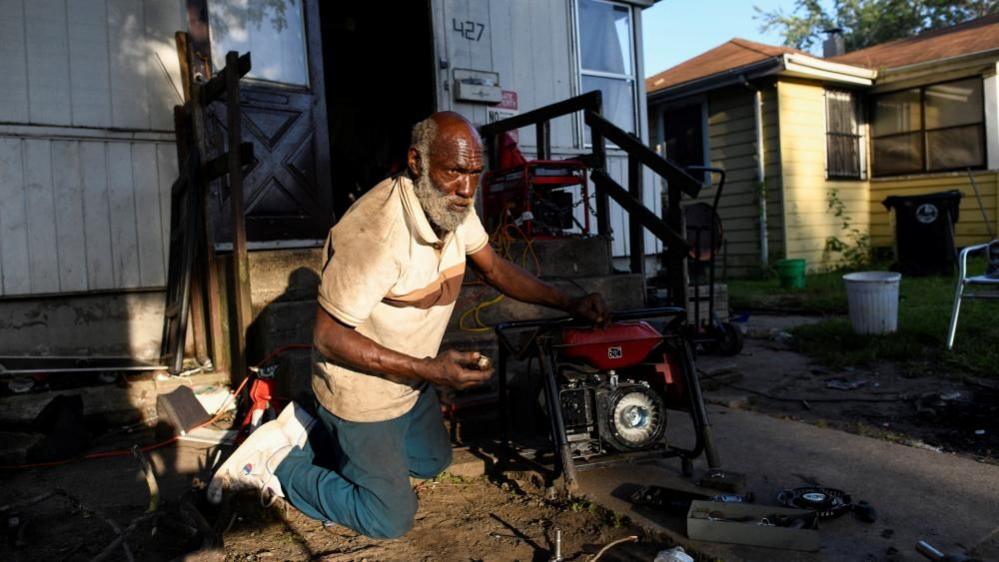
The August 11th storm that blew through the Midwest left the Indiana city of Gary particularly hard‑hit, and even a week later, almost 30,000 residents are still without electricity. The outage, caused by falling trees swarming power lines, is now one of the longest-lasting in the state’s history.
“Someone brought me a power bank so I could keep my phone charged,” said 77‑year‑old Terry Dubois, who now depends on neighbors for food. She has managed to keep her family’s basic needs met, although the lack of air conditioning is becoming a bigger issue as summer temperatures climb. In the cooler months, residents like her might fare better, but for the working class in a town that can afford only the humblest comforts, the blackout is a toll.
Local Impact and Emergency Response
When the storm flurried over the late afternoon, gas stations, grocery stores and pharmacies closed abruptly, leaving people to scramble for food and water. Some community kitchens have been set up by the World Central Kitchen charity, using portable generators to cook meals for those unable to reach canned supplies. In one suburb, a woman named Demond Pompy was seen grilling on a small gas stove in her front yard, saying, “Taking a shower and flushing the toilet are things we take for granted, but we’re going to adapt to any situation.”
The temperature aboard municipal streets is uncomfortably hot, and a number of elderly residents lose the ability to power their medical devices. A wheelchair user described the difficulty of climbing stairs because lifts powered by the stalled grid had no power. Even simple comforts like a shower or a nightstand light have vanished, leaving people in “purple‑darkness” during times that were once lit by streetlamps.
Discontent and Legal Action
Shortly after the blackout, a group of residents filed a class‑action lawsuit against the Northern Indiana Public Service Company (Nipsco), claiming negligence for failing to manage the tree canopy that caused the power crisis. Jack Tipold, one of the plaintiffs, recounted an earlier unrelated emergency at a medical clinic where the power failure halted a scheduled dental procedure; parents had to cancel medication administrations for 48 hours.
Nipsco denies any wrongdoing, insisting it is hauling crews to grid‑repair as quickly as possible. Governor Mike Braun has called the delays “incongruous” and asked the Federal Emergency Management Agency (FEMA) for a major disaster declaration to unlock extra resources.
Climate Context and Future Considerations
The storm, a rare combination of 99‑mph winds, flooding and tornadoes, showcases why climate‑change‑related extreme events are becoming a threat to even small towns. Power outages exceeding a week are uncommon in the region, but experts say the frequency of such incidents is likely to rise as weather patterns grow more unpredictable.
In the meantime, residents are huddling around generators, sharing water bottles and borrowing food wrapped in rigid, blank canvas to search rhythm amid prolonged darkness. Some families have begun to learn from older people’s resilience, but systematic solutions demand more than individual sacrifices.
Only with a concerted effort from the utility, state, federal agencies and community will the blackout be shorter. Until then, the people of Gary represent a small but compelling testimony to the complex dance between infrastructure, weather and human endurance.