Record low numbers in Australia’s giant cuttlefish mating season

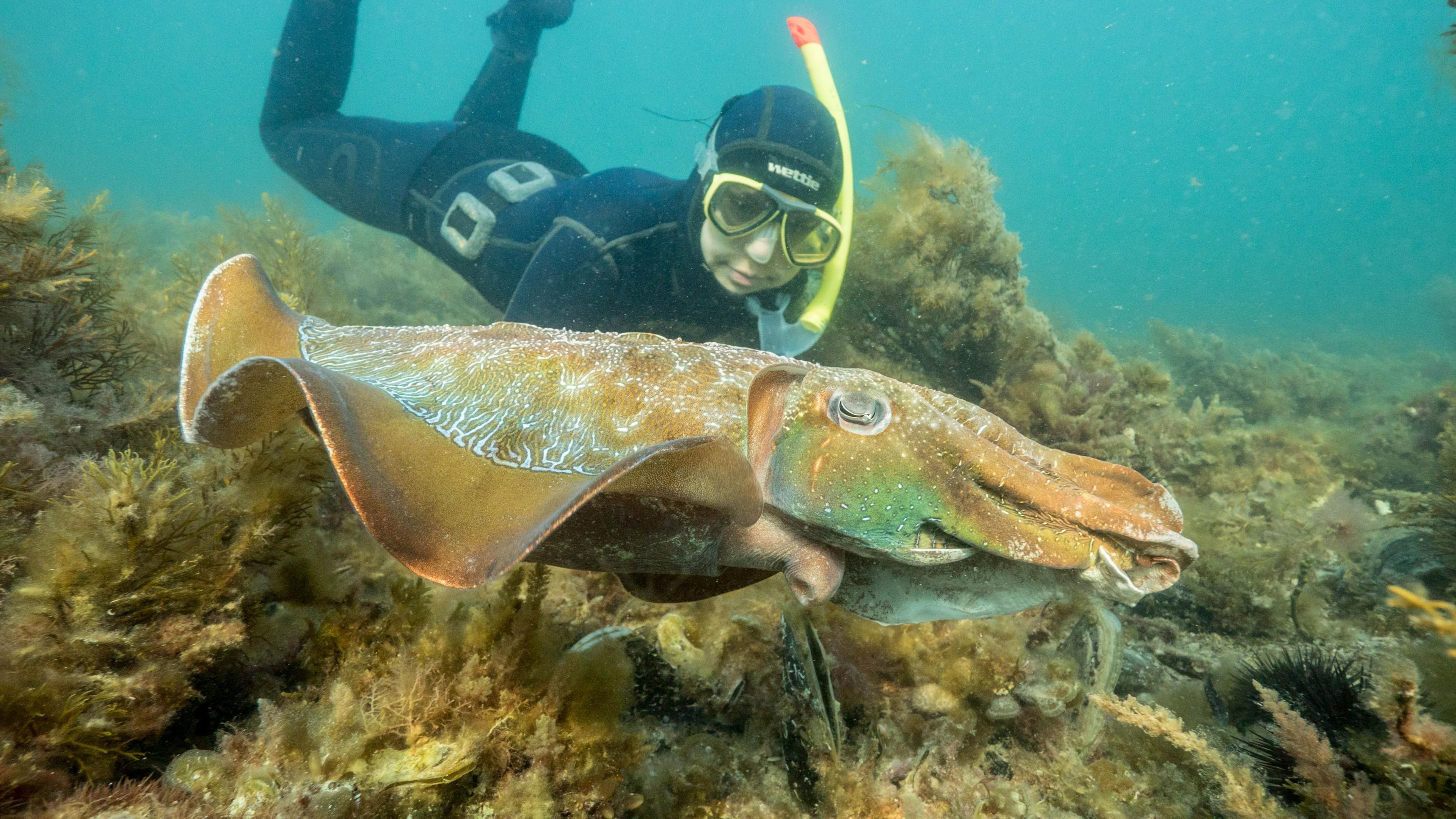
Every winter along a narrow strip of South Australia’s coast hosts the world’s biggest cuttlefish mating event. Last year, roughly 63,000 giants flocked to the shallow waters, where their bright cephalopod bodies create a dramatic spectacle for divers. This year, however, officials count only 1,811 individuals – a 97% drop that experts say may signal a ‘catastrophic decline’.
The state government attributes the sharp decline to an 18‑month toxic algal bloom that has been affecting the coast. The bloom, linked to warming seas, heatwaves, and nutrient runoff, is believed to have killed or driven away many cuttlefish. With adult cuttlefish often dying after breeding, each season is vital for the species’ future stock.
During a July dive survey, researcher Manny Katz and his team counted only 440 eggs along the eight kilometres of coastline where normally millions should be. “Without such a large number of eggs, there’s little hope the next generation will revive the population,” Katz said.
The low numbers have spurred calls for the giant cuttlefish to be added to the endangered species list. Stefan Andrews, co‑founder of the Great Southern Reef Foundation, notes that while the bloom is the most plausible explanation, “the available evidence does not yet allow us to say definitively that it caused the entire decline.”

Scientists point out that cuttlefish populations naturally fluctuate. Record low figures in 2013 (13,500) were followed by a rebound to 247,000 in 2020 and over 100,000 in 2015. Yet the scale of this year's drop remains unprecedented, prompting urgent research into the bloom’s impact and other possible drivers.
Prof Mike Steer, executive director of the South Australian Research and Development Institute, described the year’s estimate as “disheartening” but remains hopeful. He stresses that past recoveries illustrate the species’ resilience when conditions improve, and that “positive signs” – such as ongoing egg laying – may signal a potential rebound in coming years.
Marine experts warn: A dramatic loss of this iconic species is a warning sign for broader marine ecosystems under climate change, indicating that other vulnerable species may face similar threats.