Rescue Efforts in Nepal’s Flood‑Damaged Tunnels Bring Hope After Two Alive, One Body Found
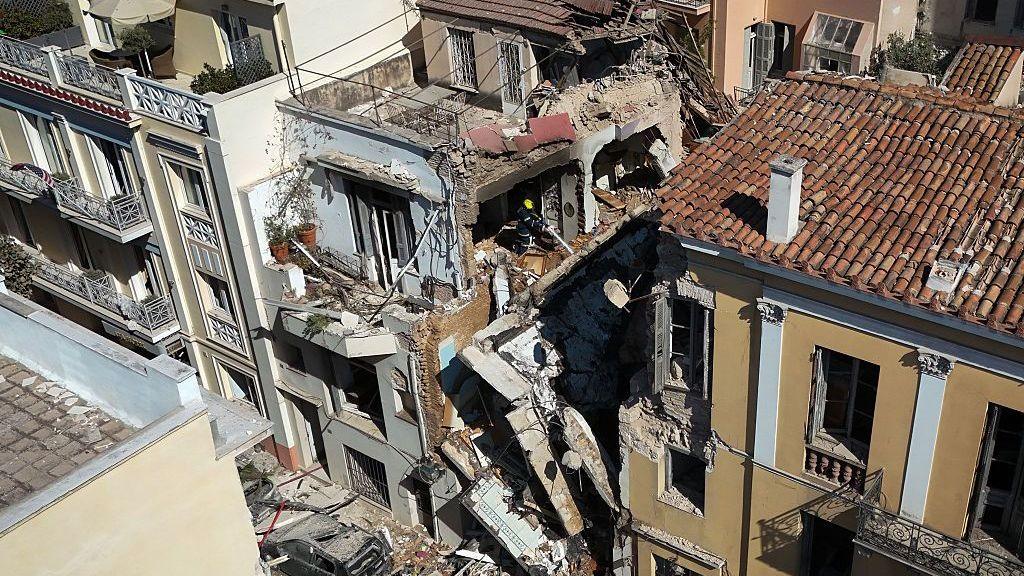
The latest flood on the Nepal‑Tibet border, caused by a glacial collapse, ripped through a Himalayan valley, wiping out entire villages. In the wake of this devastation, Nepali rescuers have intensified their search in seven hydropower tunnels and 19 additional sites, where an estimated 150 people might be trapped.
Two Survivors Rescued in Trishuli 3A Tunnel
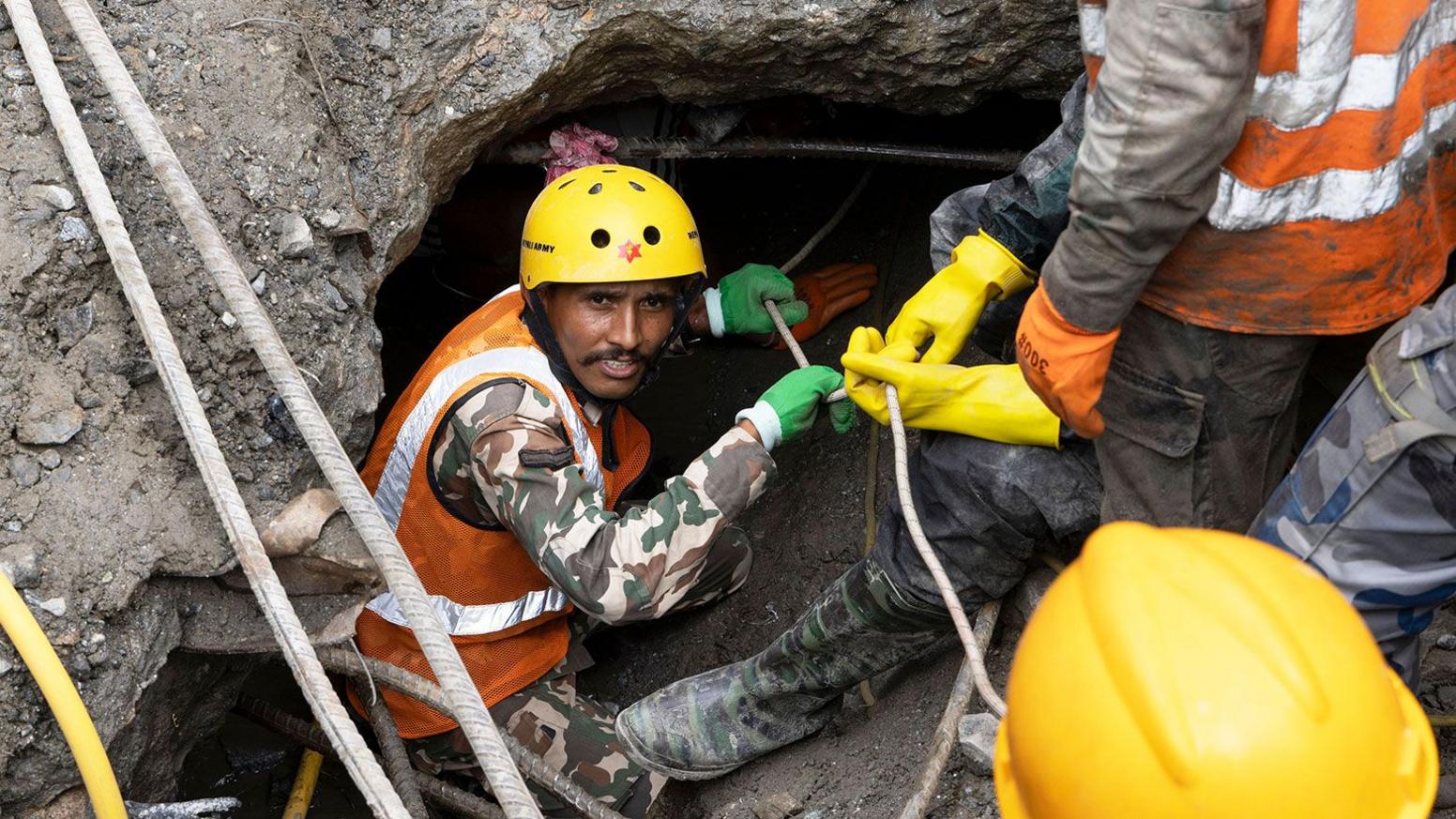
On the early hours of Friday, rescuers identified faint voices in the Trishuli 3A hydropower tunnel. They recovered Sanjaya Shah and Kabir Maharjan, both bearing injuries likely caused by crawling through the ruined tunnel. Shah has been airlifted to Kathmandu’s Army Hospital for medical tests, while Maharjan remains in critical condition. The team also recovered a body, swollen and unable to be identified, and they estimate that about 39 people may still be inside the tunnel.
Challenges of the Rescue Operation
Mud, rocks and collapsed shelving have made access difficult, forcing teams to dig holes and pump air into the tunnels. Heavy equipment washed away during the flood has further complicated clearance efforts. Engineers are employing air‑pumping and shoring techniques to stabilize the tunnels while teams work to uncover the underground work‑sites.
Total Casualties and Missing
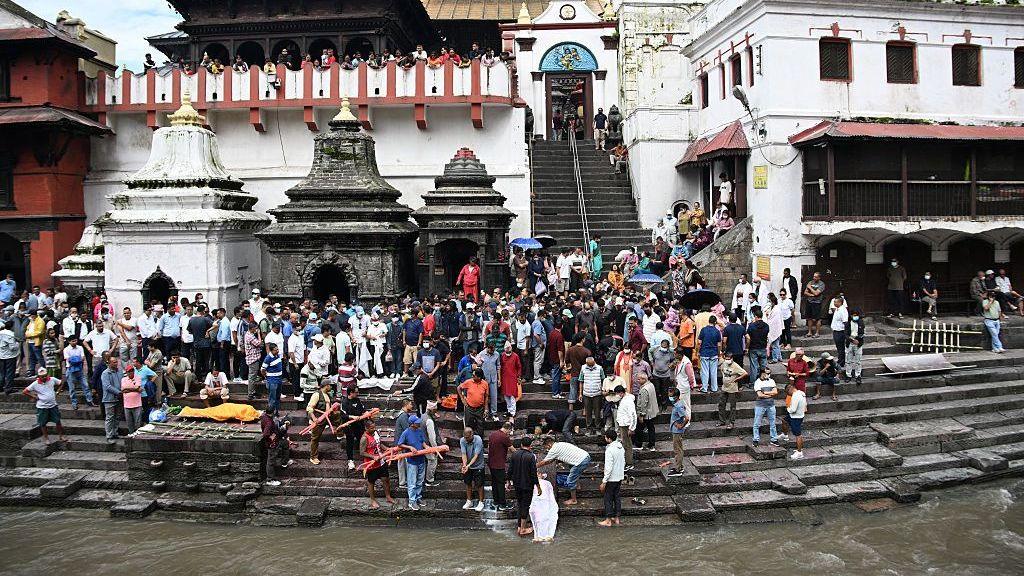
Official counts state 1,311 people have died in Nepal and 5,330 remain missing; foreign nationals from at least 34 countries are suspected victims. On the Tibetan side, Chinese state media reports 31 deaths and 531 missing, but censorship of footage and reports leaves many details unknown.
Scientific Perspective on the Disaster
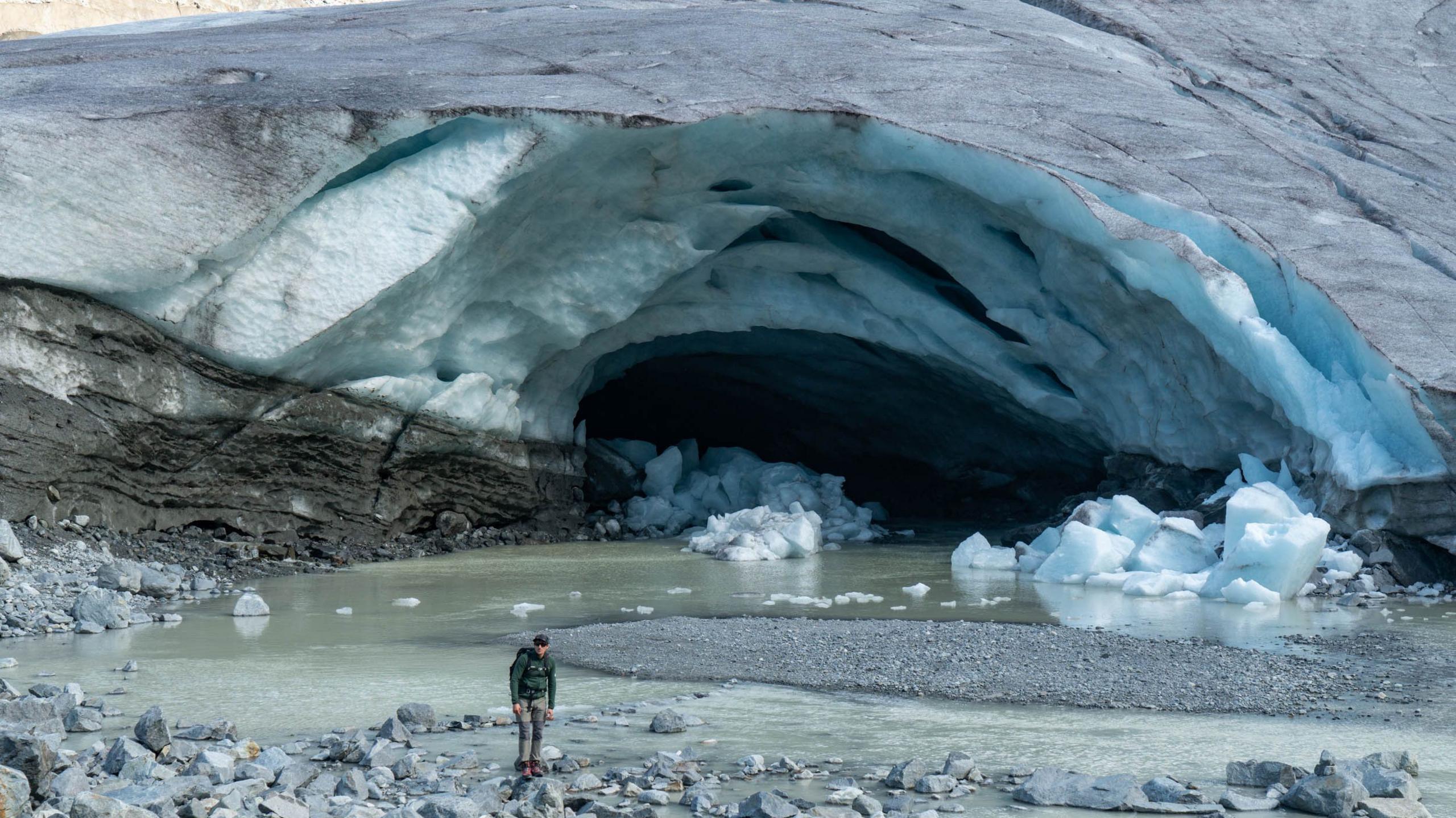
Scientists attribute the disaster to a glacial collapse near the Langtang Lirung peak. Early warning systems were inadequate, and climate change may have accelerated glacial instability. The resulting wall of water and debris drowned villages, roads and vehicles downstream, leaving a trail of widespread devastation.