Russia Fuels Hostile Rhetoric but Aims to Avoid NATO War, Western Officials Say
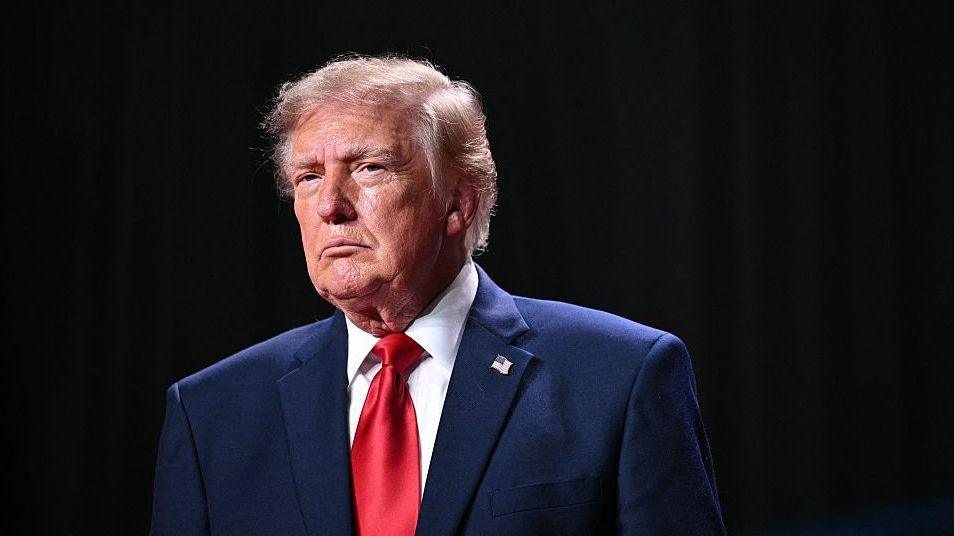
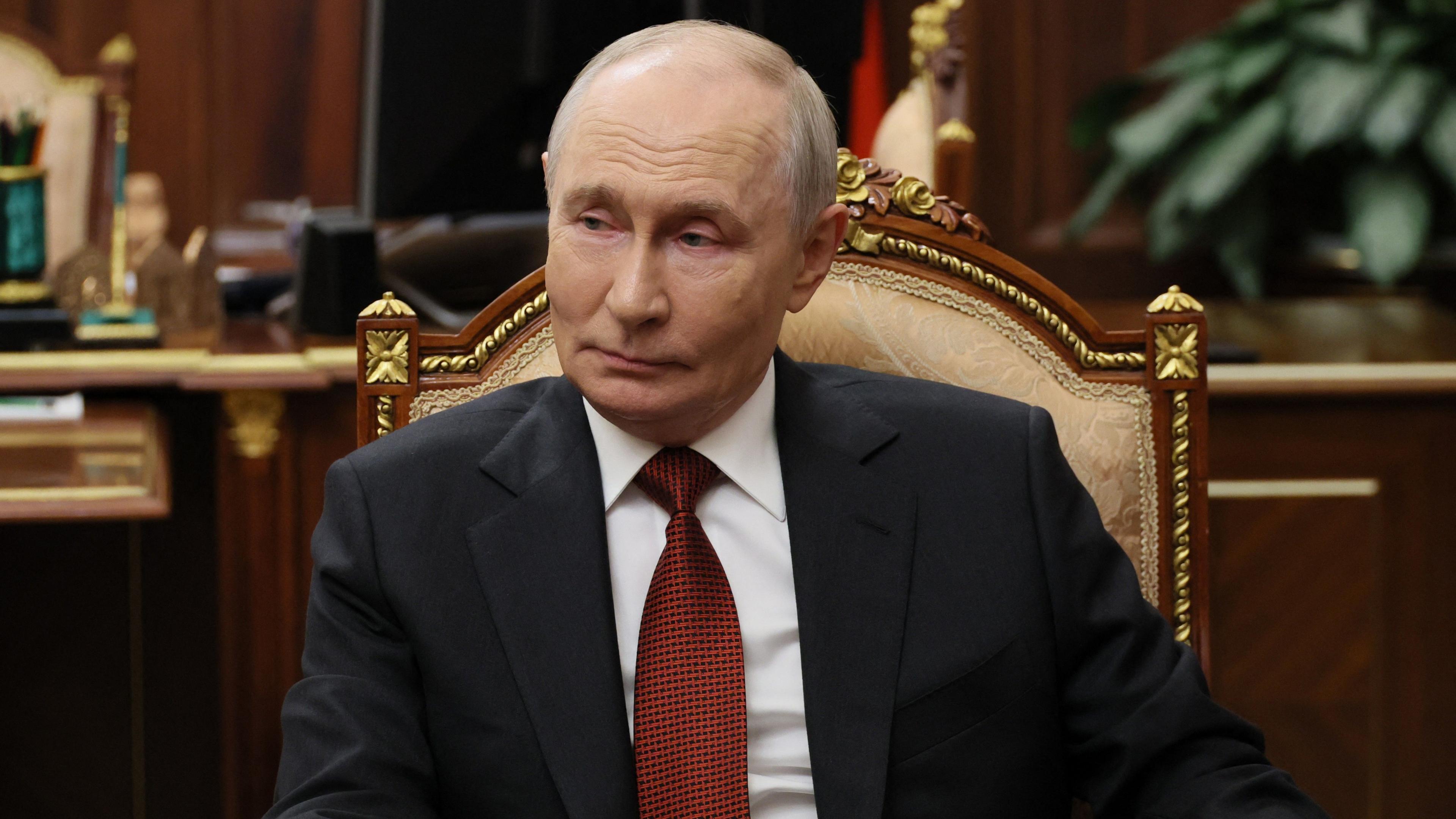
Analysts in Washington and London contend that President Vladimir Putin’s increasingly venomous speeches are a diplomatic ploy designed to pressure the Kremlin’s domestic audience rather than a genuine shift toward open conflict with the North‑Atlantic Alliance.
John Radcliffe, the CIA chief, visited Moscow this week. Some observers wondered if the trip was aimed at warning Moscow against striking NATO assets, yet officials have been quoted as saying the warnings of attack on UK forces are “nothing new” and a standard part of Moscow’s “hybrid activity” roster.
Hybrid warfare, analysts say, is what Russia prefers: cyber‑attacks, sabotage, and even covert assassination efforts aimed at eroding NATO’s resolve to support Ukraine. While official statements discourage a direct military gambit, the risk of a miscalculation that could spark a broader confrontation remains a concern.
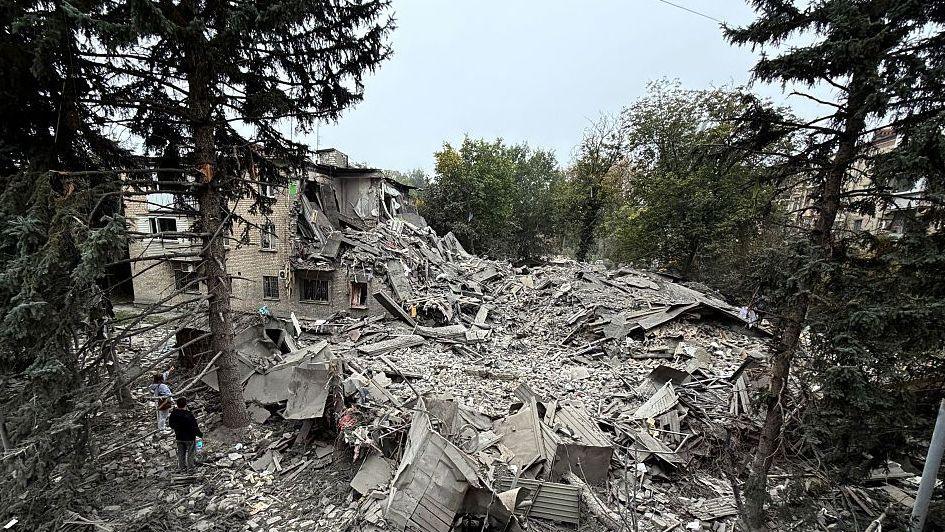
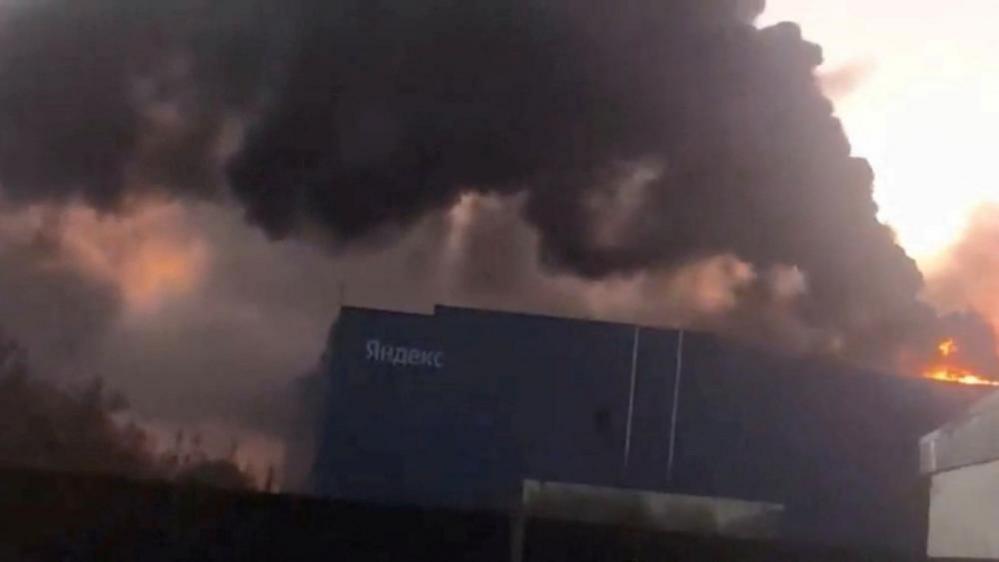
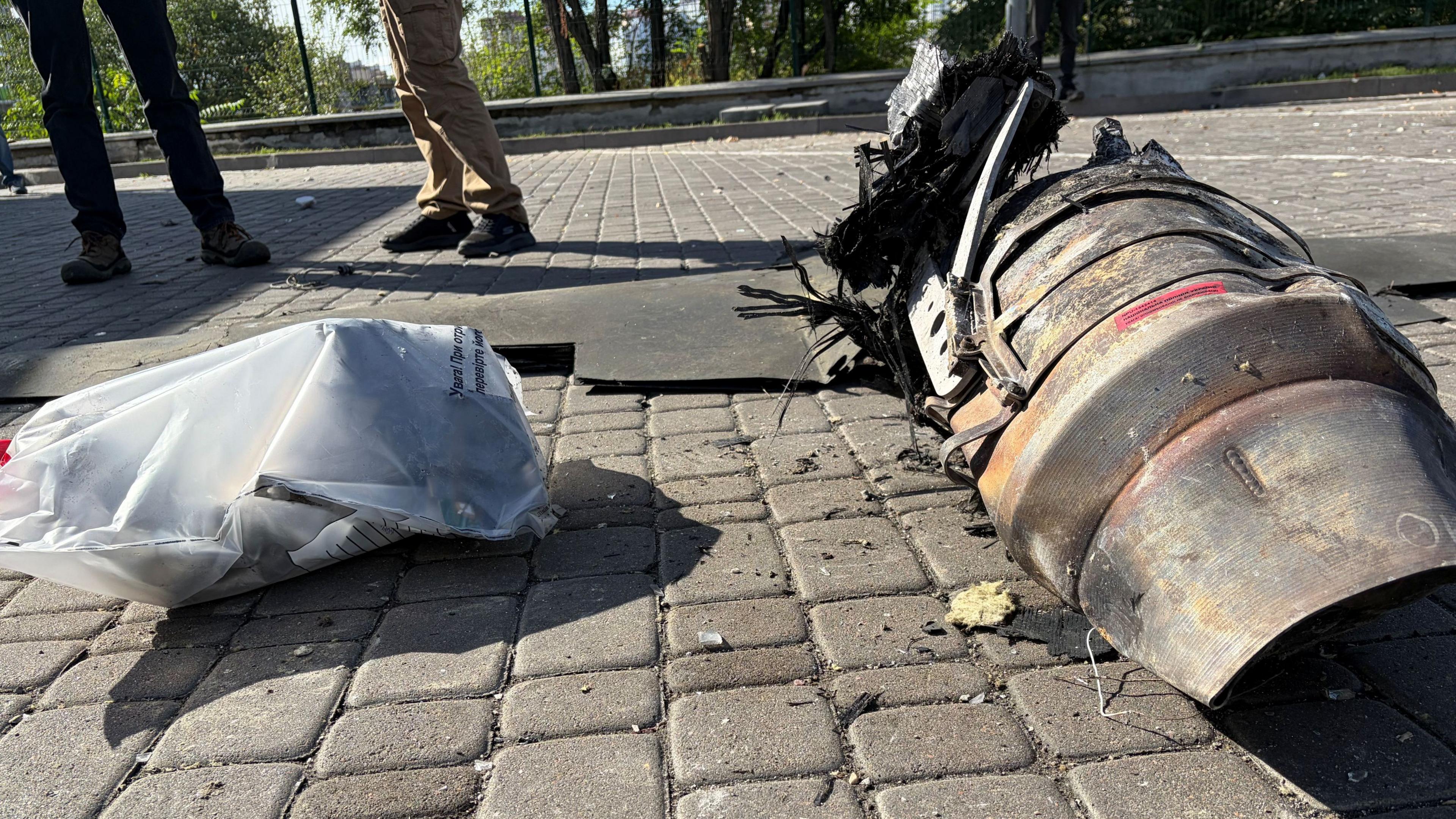
In the past month, a drone laden with explosives reached Leipzig Airport in Germany, a key logistical hub for arms shipments to Kyiv. Although Russian authorities denied responsibility, the incident added a new dimension to the series of unexplained drone sightings over European bases and airfields.
Russia’s internal situation, characterised by a hard‑line “petrol shortage” and mounting casualties, has eroded public confidence. Nevertheless, Kremlin advisers assure that the presidency is still firmly in control, and a full mobilisation appears unlikely in the immediate term.
Despite the rhetoric, the Western government remains steadfast; the UK pledged that Russian threats will not deter its backing for the Ukrainian war effort.