Saxony‑Anhalt local election sends shockwaves
In a regional contest held on Sunday, the far‑right Alternative for Germany (AfD) surged close to a majority in the eastern state of Saxony‑Anhalt, a swing that has sparked debate across Germany and the wider European Union.
The result is historic—Europe’s longest‑serving democratic state hands the AfD its most substantial foothold since the financial crisis, and the party has now positioned itself as the strongest single force within the state’s parliament.
While the vote was confined to a population of 1.7 million, the implications ripple across Berlin. A tighter foothold for the AfD puts Chancellor Friedrich Merz and his centrist coalition under fresh scrutiny, with many observers fearing that a repeat of the party’s 2017 surge in Berlin will soon threaten the governing alliance.
The AfD’s victory also comes at a time of heightened geopolitical tension, as the EU grapples with Russian aggression in Ukraine, U.S. trade actions, and Chinese economic pressure. For Germany – the continent’s most powerful economy – any shift in domestic politics carries outsized consequences for the EU’s stability and policy coherence.
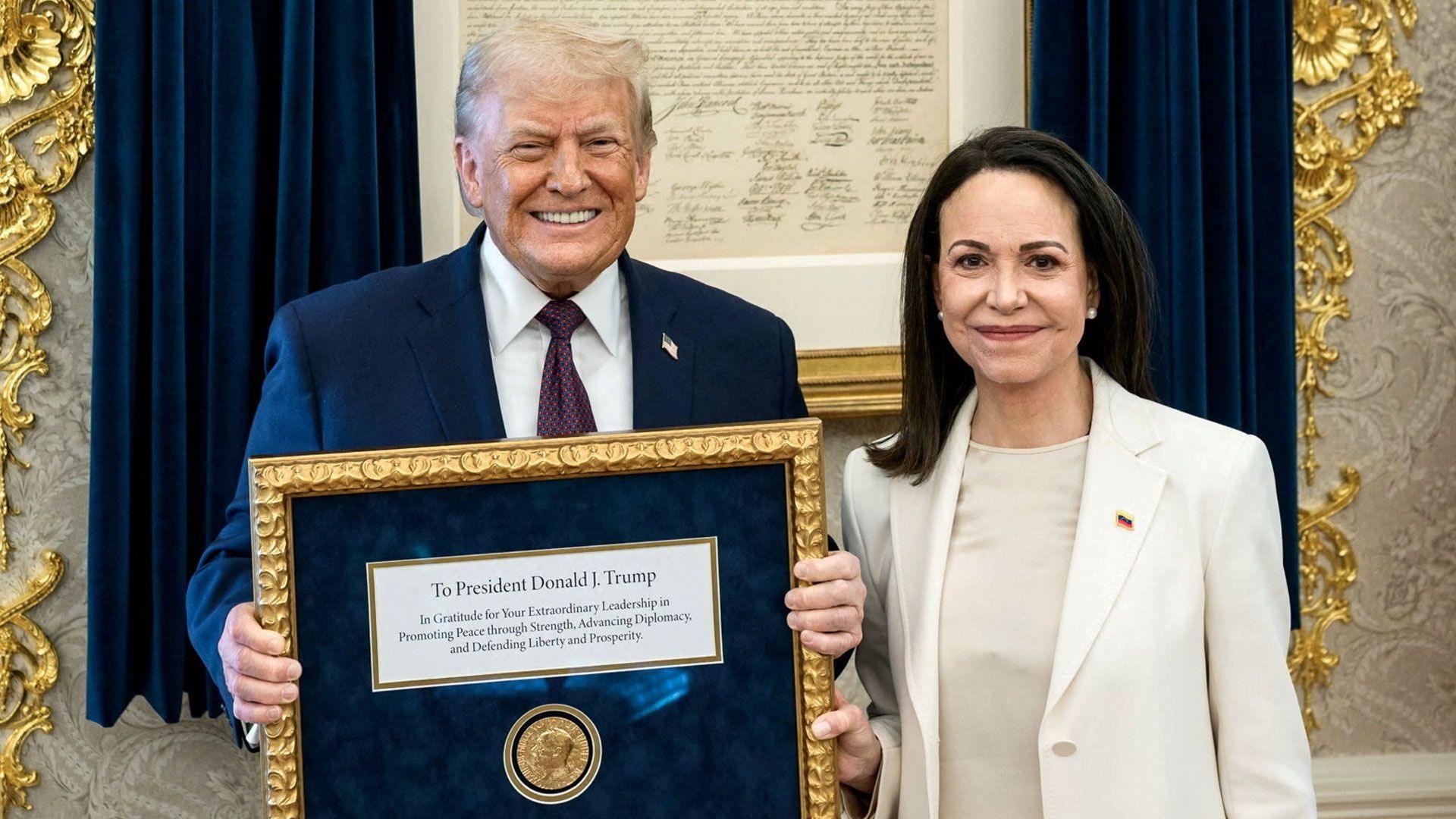
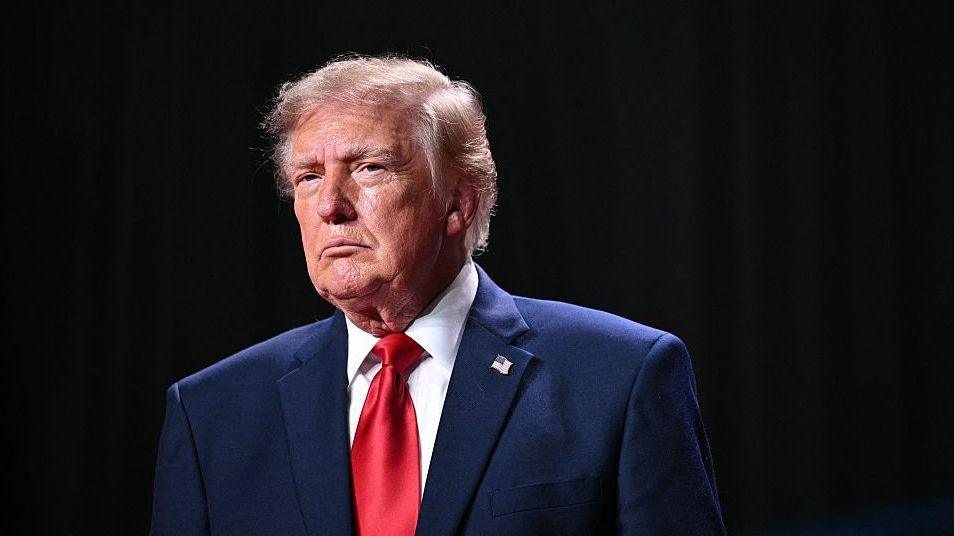
International reaction has been swift and varied. U.S. President Donald Trump posted an exit‑poll snapshot on Truth Social, praising the AfD’s anti‑immigration stance while “Make Germany Great Again.” In Moscow, business magnate Kirill Dmitriev declared the result “historic,” calling the German government “discredited.” These voices underscore how the election is already being leveraged as a geopolitical wedge by actors outside Europe.
Within the EU, members from Spain’s Vox and France’s National Rally have voiced both admiration and concern. While Spanish leaders see the AfD’s win as a “great hope,” French officials warn it signals a “serious moment” that could fracture European solidarity.
For policymakers, the central worry is that growing nationalist sentiment—whether in Germany’s post‑communist east, Paris, Madrid, or Rome—could undermine joint efforts to enforce sanctions on Russia, resist Chinese market intrusion, and preserve the integrity of the Schengen area.
(This coverage was adapted from a BBC News article by Katya Adler, Europe editor.)