Shein’s debut faces a complex regulatory backdrop
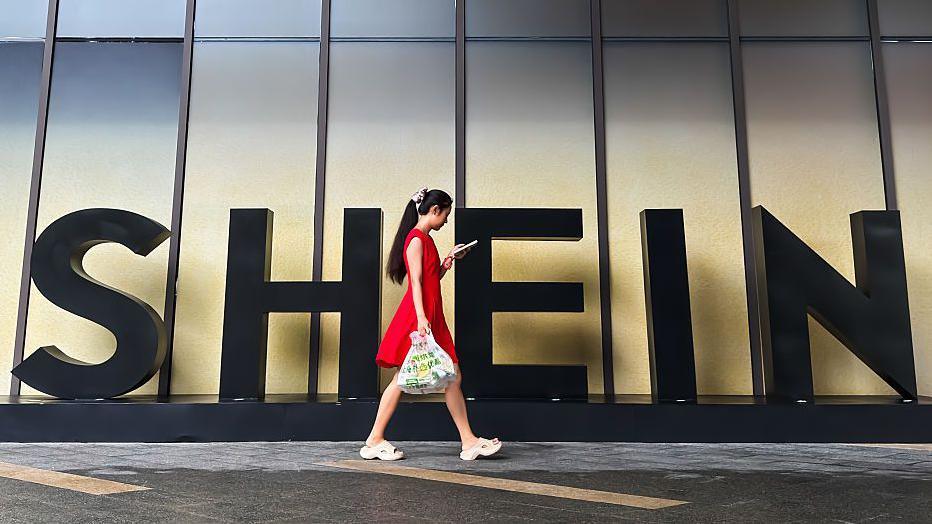
Chinese‑run Shein, now headquartered in Singapore, is set to list its shares on the Hong Kong Stock Exchange on 1 September, with a target market valuation of about $27bn. Over the past few months the firm has faced a succession of setbacks in other major markets – a failed US offering last year and a collapsed London listing – due to heightened scrutiny over its supply‑chain practices and the removal of the de‑minimis import duty exemption.
Valuation and share details
Shein will offer nearly 280 million shares in the IPO. The share price will be set between HK$47.60 ($6.07) and HK$49.50 ($6.36), which could raise $1.77bn for the company and land a valuation of $26.8bn. That figure represents a significant drop from the ~$100bn valuation the firm enjoyed in 2022 when its sales growth was high and costs were lower.
Support from Wall Street
Goldman Sachs, Morgan Stanley and JP Morgan are underwriting the IPO, lending credibility to Shein’s ambitions. The company’s rapid expansion – operating in more than 150 countries and serving 281 million active customers in China alone – is built on a network of Chinese factories capable of quick, inexpensive production
Industry and regulatory challenges
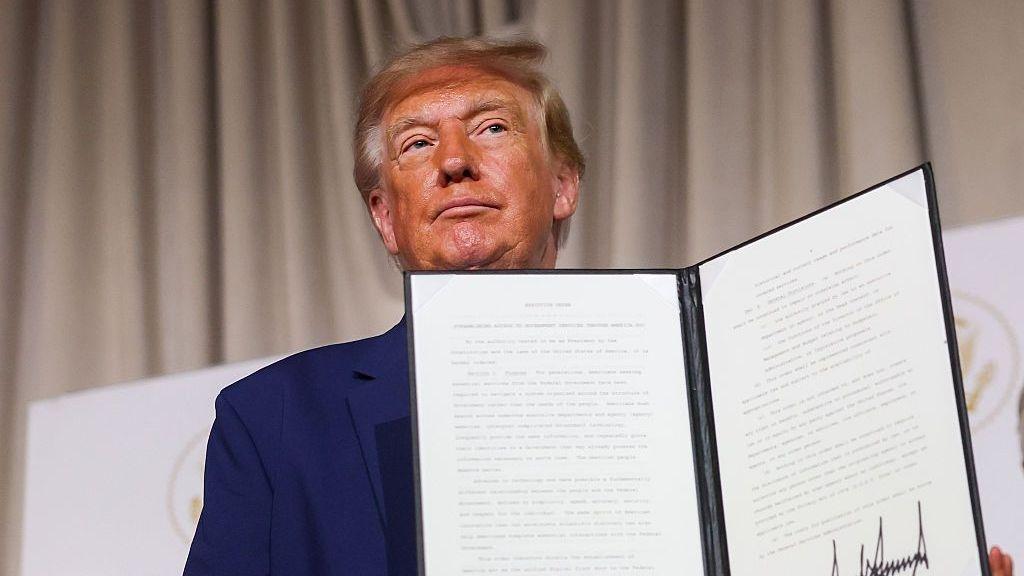
In July, Shein reported a quarterly loss of $99m after sales slowed, citing the removal of the U.S. de‑minimis exemption by President Trump, which lifted import duties on small packages. Analysts argue that this move, alongside similar EU restrictions, will narrow the price gap between Shein and its competitors such as Primark and H&M.
Britain’s retail sector has accused Shein of operating on an uneven playing field, and the UK is expected to impose comparable restrictions on small‑package imports from China by 2028. Environmental and labour concerns – including allegations of forced labour in its supply chain – also loom large.
Outlook for fast fashion
Shein’s first‑day performance will test investor confidence in fast fashion’s viability in a market awash with cost‑cutting pressures, tariff uncertainties and tightening regulations. A strong debut could provide a benchmark for future listings, while a weaker showing may prompt further scrutiny of fast‑fashion firms that rely on ultra‑cost‑effective Chinese factories.