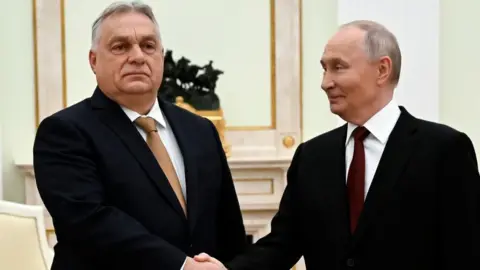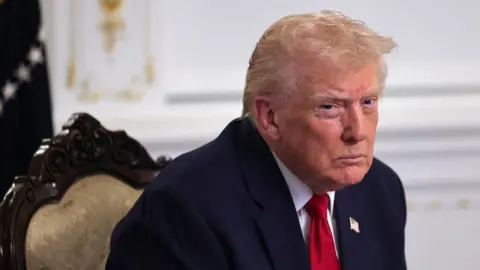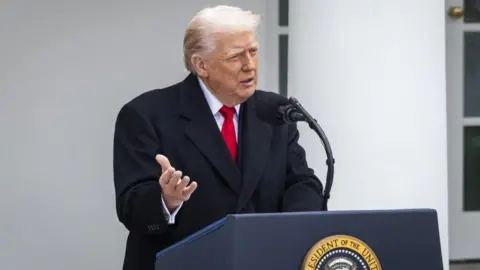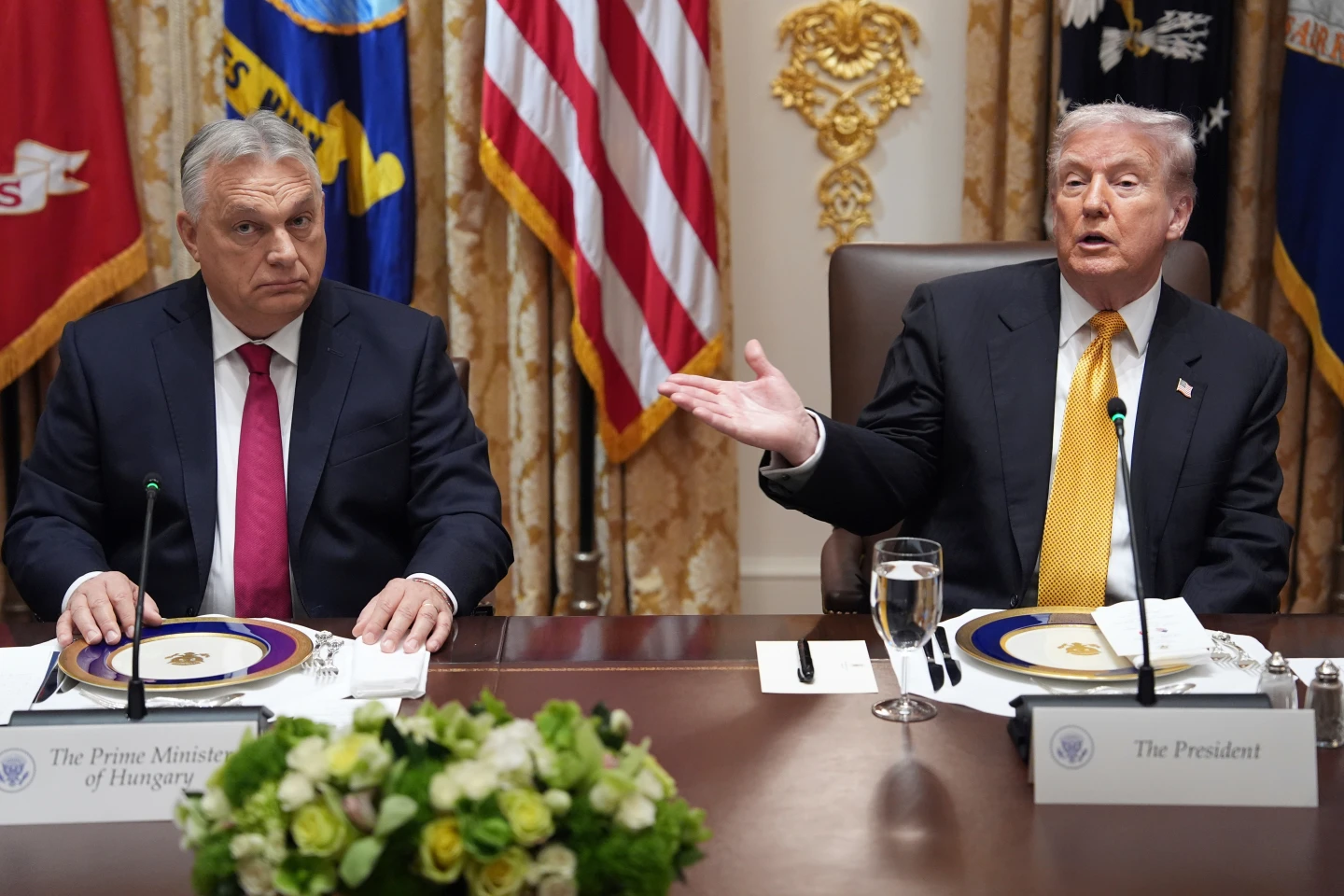
WASHINGTON (AP) — President Donald Trump stated on Friday he is contemplating an exemption for Hungary from U.S. sanctions on Russian energy. This occurred during a meeting with Hungarian Prime Minister Viktor Orbán at the White House. Trump noted, We’re looking at it because it’s very difficult for him to get the oil and gas from other areas.<\/p>
Orbán responded that this topic is a “vital” issue for Hungary, a landlocked country, and he aims to highlight the potential consequences the sanctions may have on the Hungarian populace. Orbán indicated he would propose several suggestions to Trump on how to implement this exemption. He emphasized, I’m not asking for some kind of gift from the Americans or some unusual thing, but simply for acknowledgment that recent sanctions on Russian energy place certain countries like Hungary in a precarious position.<\/p>
The discussion comes in light of a bipartisan group of U.S. Senators who have introduced a resolution urging Hungary to cease its dependence on Russian energy. This resolution was co-signed by significant leaders across party lines, including Republicans Mitch McConnell and Democrats such as Jeanne Shaheen. They express concern over Hungary's continued reliance and urge adherence to a European Union initiative that seeks to phase out Russian energy imports by the end of 2027.<\/p>
“Europe has made extraordinary progress cutting its energy ties with Moscow, but Hungary’s actions continue to undermine collective security and embolden the Kremlin,” Shaheen stated. This sentiment indicates a broader skepticism among U.S. lawmakers regarding Hungary’s energy policy.
In response to these issues, Hungarian officials have announced plans for a bilateral nuclear energy cooperation agreement with the U.S., involving cooperation on technologies concerning nuclear fuel and storage. Orbán’s government is also fostering ties with other international entities, reinforcing its stance against external judgments of its energy policies.<\/p>
As the geopolitical landscape shifts, the conflicting perspectives between U.S. sentiments in Washington and the Orbán administration reflect the complexities of international energy dependencies in the wake of sanctions against Russia.