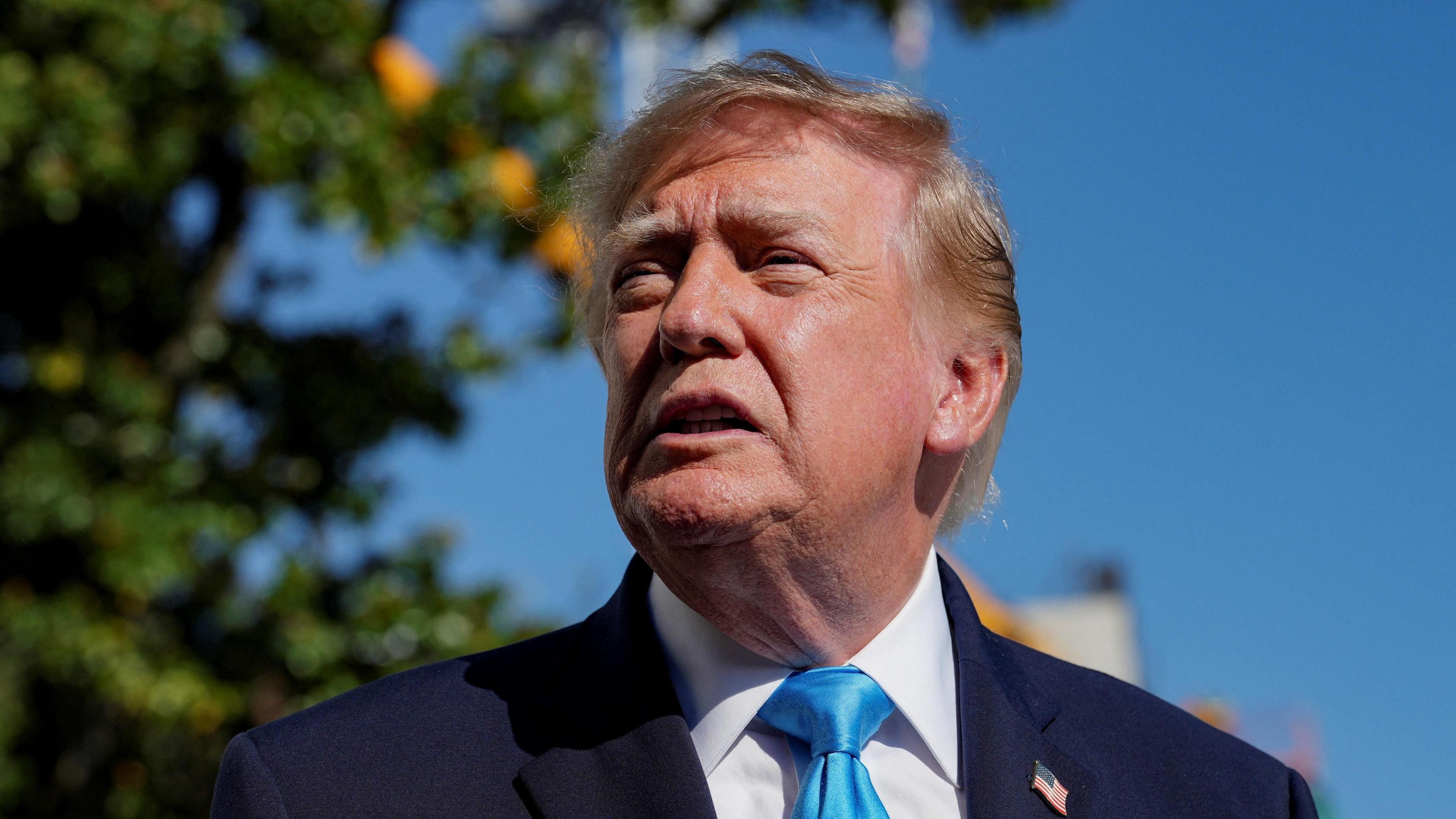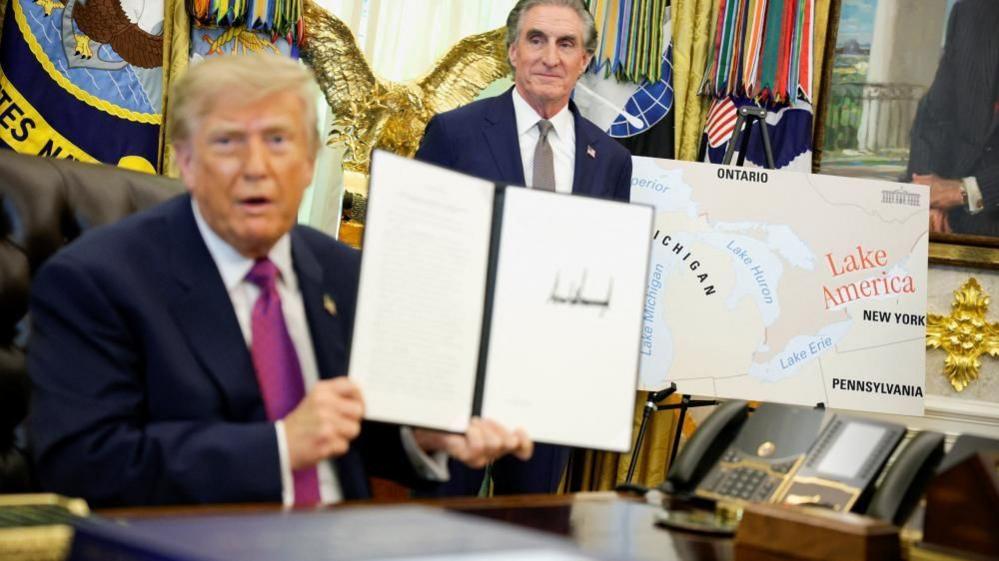
On Thursday, President Donald Trump signed an executive order that officially changed the name of Lake Ontario to Lake America, citing a long‑standing desire to modify the lake’s designation. The decree comes directly after the United States imposed a 50% tariff on $20 billion worth of Canadian goods, prompting Canadian officials to announce "dollar‑for‑dollar" counter‑tariffs next month.
In a televised statement from the Oval Office, Trump asserted that the name change was not a direct confrontation with Canada but an assertion of American prerogative, noting that "the Great Lakes belong to the United States." His remarks echoed a 2025 order that renamed the Gulf of Mexico to the Gulf of America, an action that Mexico has publicly rejected as an overreach of national sovereignty.
Canadian governmental leaders have reacted strongly. Prime Minister Mark Carney highlighted that "Lake Ontario" is a name with a 400‑year heritage embedded in Canadian history and indigenous treaties. Industry Minister Melanie Joly stated, "We will continue to call it Lake Ontario," reaffirming Canada’s refusal to adopt the new designation.
The renaming has generated debate among Indigenous communities, many of whom trace the lake’s original name to Algonquin roots. Indigenous scholars argue that unilateral name changes undermine cultural heritage and treaty rights, calling for inclusive dialogue rather than executive orders.
From a legal perspective, there is no single international authority that governs the naming of shared bodies of water. While the United States can update its internal Geographic Names Information System, such changes do not automatically alter international recognition or usage in Canada and other nations.
The evolving trade crisis, highlighted by the abrupt collapse of talks and the exchange of tariffs, indicates that the renaming may be part of a broader strategy to signal economic dominance. International observers note that this may provoke further diplomatic friction, especially concerning bilingual trade policies and cultural promotion.
In the longer term, both the United States and Canada appear open to renegotiating trade agreements, as suggested by Canadian foreign minister Dominic LeBlanc's recent comments on the reinstatement of French‑language protections. Whether a new name for a treasured aquatic landmark will stick remains uncertain amid ongoing negotiations.