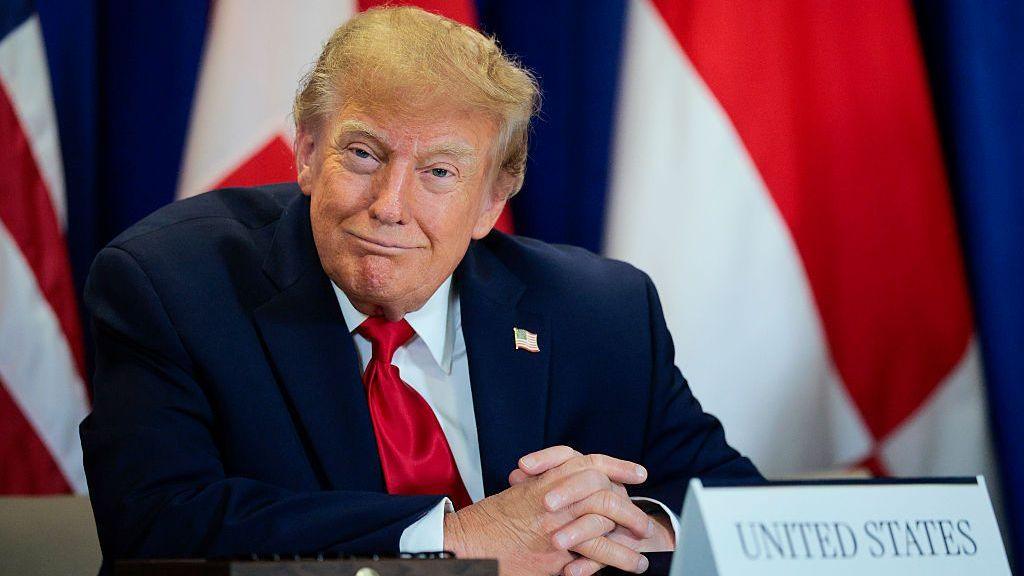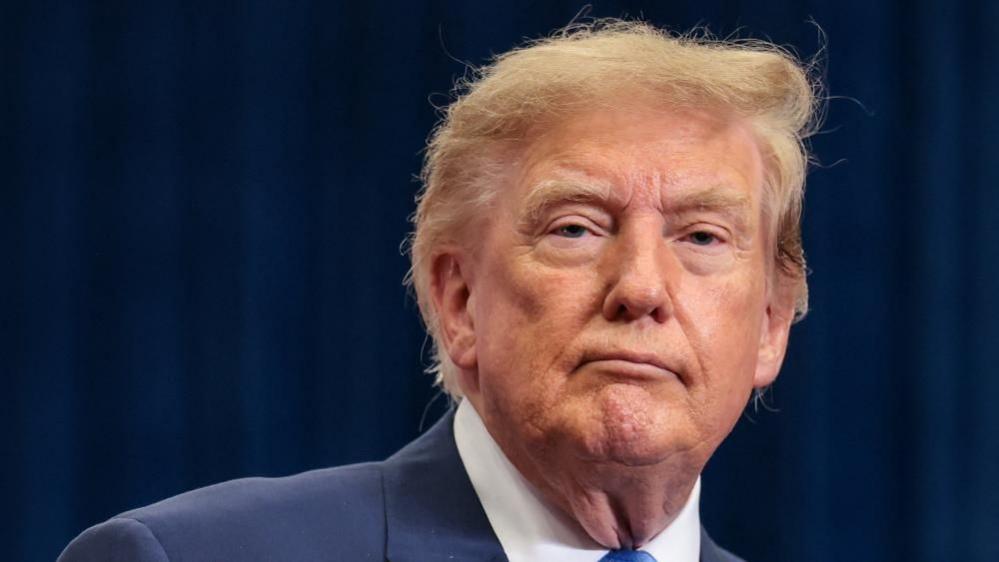
President Donald Trump remarked at a recent news briefing that the United States is reviewing its position on the Falkland Islands, describing the issue as one of many under consideration. He added that he “always reviews every position” and that the UK’s sovereignty claim remains firmly in the British realm.
In the same session, Trump urged the United Kingdom to boost its defence budget. He noted that the UK government has already committed to allocate 3.5% of gross domestic product to defence by 2035. The president suggested that increased spending would help resolve various defence issues and showed a willingness to press allies to meet their NATO pledges.
The Falkland Islands lie in the South Atlantic and have been a longstanding point of contention between Britain and Argentina, culminating in the 1982 war that cost 255 British soldiers and 649 Argentine personnel. While past U.S. administrations have accepted British administration of the islands, they have refrained from making a formal stance on sovereignty.
Recent U.S. defence officials reportedly are drafting proposals that could treat NATO allies who fail to meet spending targets with various incentives—or disincentives—such as reviewing U.S. positions on overseas territories. A Pentagon email surfaced that pointed to a range of options, including a potential shift in U.S. policy regarding the Falklands.
Back in the UK, Prime Minister Lee H. has pledged to honour a previous commitment to meet the defence spending targets. Chancellor John Healey told it went to a clear pathway to raising the 3% GDP target, although he resigned after the government failed to set a firm timetable. His resignation letter highlighted a frustration that the 2030 target never got a concrete schedule.
Overall, the president’s comments underline how defence and geopolitical issues intertwine with broader foreign policy positions, with the Falklands case emerging as a concrete example of potential diplomatic trade‑offs.