UK, Canada and Australia Condemn Israel's Non‑Investigation of Gaza Aid Worker Strike
Three Commonwealth foreign ministries – the United Kingdom, Canada and Australia – said on Thursday that Israel’s refusal to open a criminal investigation into the killing of seven World Central Kitchen volunteers on a convoy in Gaza was “shameful” and that justice was owed to the families of those killed.
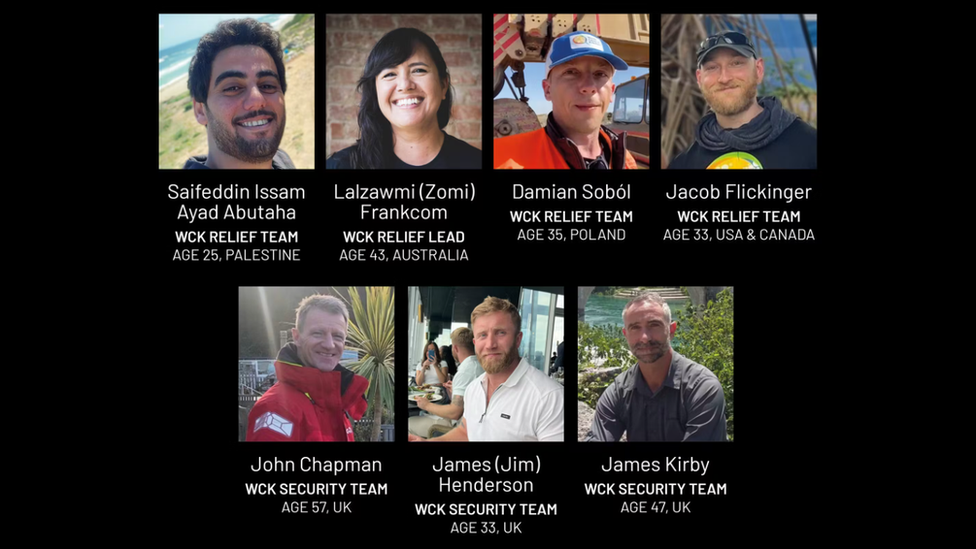
The convoy, which was delivering food to civilians, was struck by the Israel Defence Forces on 1 April 2024. The victims were three British nationals, a Polish national, an Australian, a Canadian and a dual‑citizen of the United States and Canada.
In its joint statement the foreign ministries called on Israel to “swiftly and thoroughly consider the case and hold those responsible to account.” They also criticised the timing of the declaration, noting that the announcement came on World Humanitarian Day, a day that recognises the work of humanitarian workers worldwide.
Israel’s ambassador to Australia, Hillel Newman, defended the decision, saying there was no criminal intention behind the attacks. Meanwhile, the IDF said that an armed guard on the convoy had been mistakenly identified as a Hamas fighter and that the convoy had deviated from an authorised route, but that this did not constitute criminal conduct.
Australia’s Foreign Minister Penny Wong said her government was “outraged” by the decision and summoned the ambassador, while Canada’s foreign minister called for “answers on the behalf of the victims’ families.” The statement from the three governments came at a time when diplomatic tensions were already high over Israel’s settlement plans in the occupied West Bank.
The IDF, in the same statement that denied a criminal probe of the convoy attack, announced that it would investigate the 2024 killing of a five‑year‑old Palestinian girl and other attacks that have involved civilian deaths.
The condemnation underscores ongoing concerns about accountability for Israel’s military actions in Gaza and the safety of humanitarian workers. Some observers say that the lack of an investigation risks long‑term mistrust among international partners and undermines international humanitarian law.