Washington is preparing to stop U.S. military aid to the Kurdish Peshmerga in Iraq, a decision that could leave the region more exposed to Iranian attacks. The Pentagon’s memorandum of understanding that has provided security assistance to the Kurdish force will expire on 30 September, the same day the last U.S. troops leave Iraq.
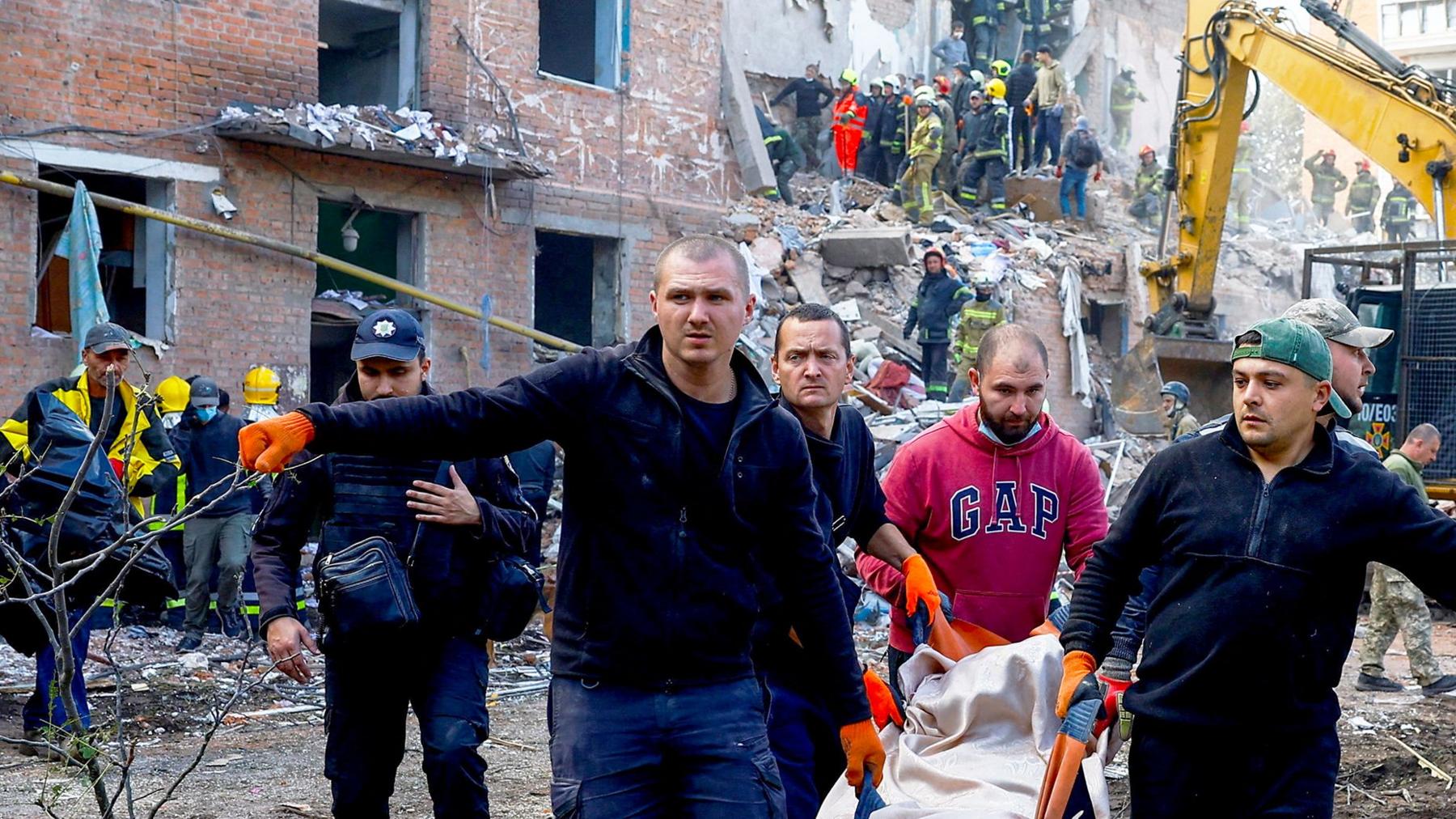
A small group of Kurdish officials and two U.S. officials confirmed that the administration has no intention of renewing the agreement. The Kurdish leadership fears a power vacuum, noting that Iran has been firing missiles and drones into Iraqi Kurdistan since the start of the U.S. war in Tehran.
If the cut is confirmed, it could undermine the support for Kurdish forces that helped defeat ISIS and could be seen as a signal that Washington may not back its regional allies. “This is a big win for Iran, China and Russia,” said Yerevan Saeed, director of the Global Kurdish Initiative for Peace.
The U.S. has said it will still work with Iraq as a whole, but the details of how security assistance might continue in the Kurdish region are still in discussion. The Department of Defense has stated that the Peshmerga, which has about 180,000 troops, received $61 million for weapons, training and stipends in fiscal year 2026 under the counter‑ISIS programme. A subsequent budget request for 2027 proposed cutting all assistance, though it remains on hold amid a congressional budget dispute.
The decision comes amid a broader U.S. strategy to reduce foreign military commitments in the Middle East, while maintaining an effort to keep regional security partners operational. The KRG also declined to comment on the matter, and the White House has pointed to a statement from the Pentagon summarizing a meeting with the Iraqi prime minister, in which the U.S. announced a shift toward a new security framework following the troop withdrawal.
Experts warn that without U.S. backing the Peshmerga could become a prime target for Iranian-backed militias. If the withdrawal proceeds without adequate local support, the Kurdish regions may face heightened vulnerability.