US and Venezuela Reach Oil Deal, Trump Announces – A Deep Dive into the Numbers and Reactions
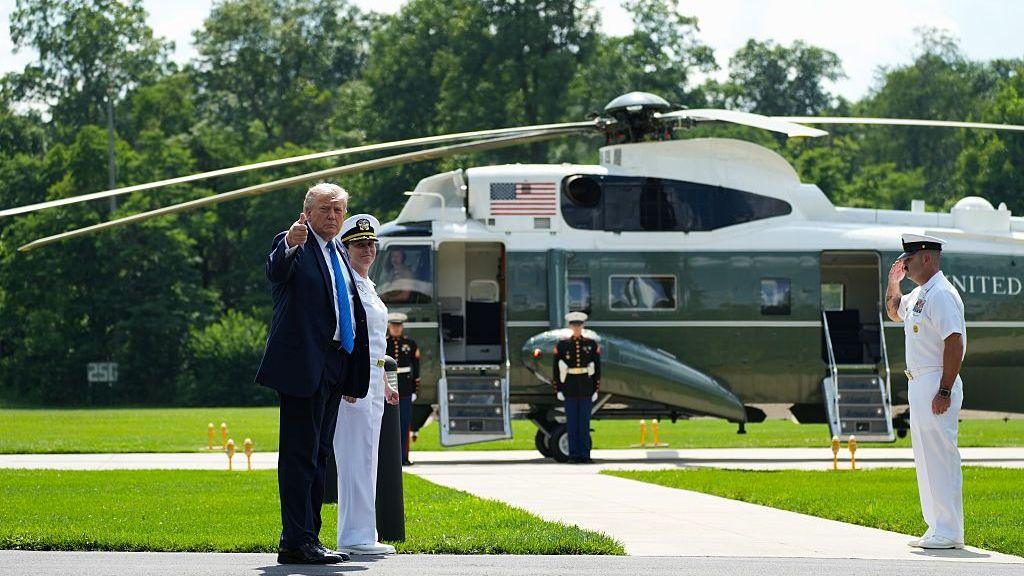
President Donald Trump has announced that the United States has reached a “historic” agreement with the government of Venezuela that would give it control of more than 65 billion barrels of the country’s proven oil reserves. In a post on his social media platform, Trump claimed the move would double American oil reserves, significantly expand U.S. supply and lower gas prices for consumers nationwide.
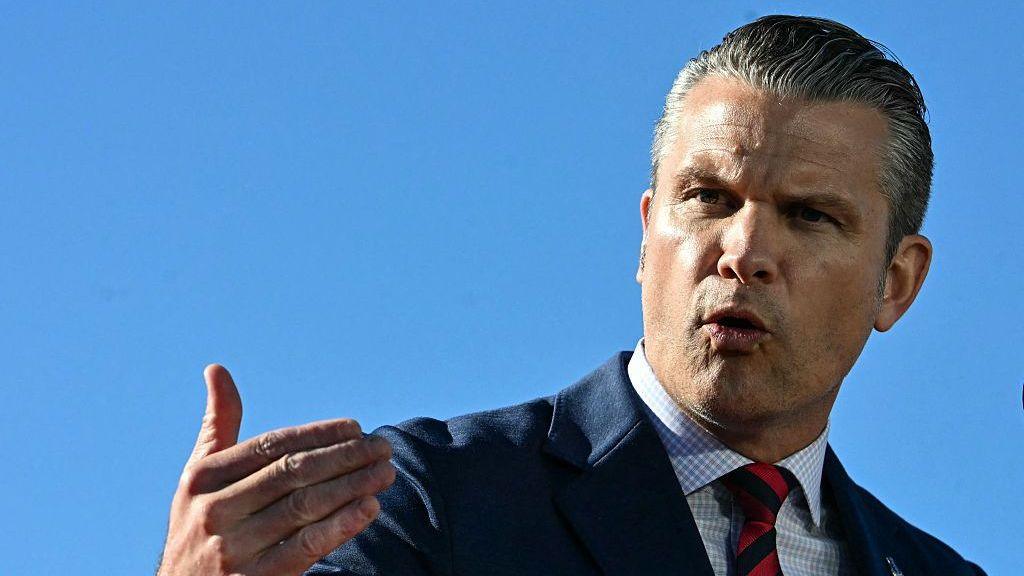
The claim follows the U.S. government’s arrest of then-president Nicolás Maduro in March of 2026, an event that ended Maduro’s tenure and brought the Trump administration’s interest in Venezuela’s vast oil resources to the foreground. Trump has expressed a sustained interest in taping Venezuela’s capital reserves to help meet domestic energy demand and to curb rising fuel costs. The administration’s spokesperson, Secretary of State Marco Rubio, described the deal as “a huge win for both the American and Venezuelan people.”
At present, the details of the agreement are not publicly available and no independent third‑party audit has confirmed the figures provided by Trump. Energy analysts caution that even if the U.S. were to secure legal control of Venezuela’s reserves, the political and logistical realities of production and export—especially in a nation where infrastructure is severely under‑funded—may limit the practical impact of the deal. In addition, international law and foreign policy norms regarding sovereign resource ownership pose potential diplomatic and legal challenges.
Venezuelan officials have not yet released any statements about the agreement; the country’s long‑term relationship with the United States remains tense and fraught with the legacy of sanctions, political discord, and regional security concerns. Other countries, particularly members of the Organization of Petroleum Exporting Countries, have expressed neutrality, noting that the US’s move could shift market dynamics.
The debate over the deal’s feasibility also touches on broader energy policy discussions, including the U.S.’s shift toward renewable energy sources and the global volatility of oil markets. While the administration’s narrative emphasizes domestic economic relief, critics argue that the move risks further destabilizing an already fragile Venezuelan economy and could provoke further sanctions or diplomatic isolation.

For now, the exact mechanics of the deal, the legal framework underpinning it, and the projected timeline for operational rollout remain unclear. Policy analysts and market watchers expect a flurry of investigative reporting in the coming weeks, as the story unfolds and the international community weighs its implications for energy security, regional stability, and global commodity markets. The situation underscores the importance of verification, careful analysis, and multi‑perspective reporting in an era where high‑profile claims can quickly become embedded in public discourse.