In brief
Following a multibillion-dollar expansion, the Panama Canal is witnessing an influx of fish from the Atlantic and Pacific Oceans, leading to ecological shifts as local species dwindle under new competition.
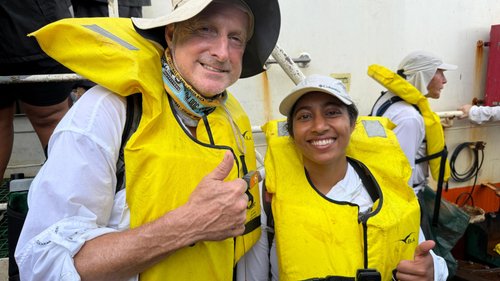
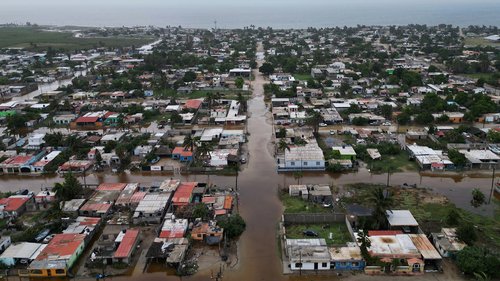
As night enveloped the Panama Canal, scientists set out on a research excursion amidst the symphony of the jungle. With nets unfurled, they braved the dark waters, documenting a concerning transformation in the ecosystem. The canal, vital for global trade, has now also become a pathway for marine species from the Atlantic and Pacific to intermingle, following its expansion to accommodate larger vessels.Historically, the two oceans remained separate for millions of years until the isthmus of Panama emerged. The canal’s infrastructure offered scant migration opportunities for marine life, yet this changed post-2016 with the canal's expansion. New studies from the Smithsonian Tropical Research Institute confirm that invasive fish species, such as snooks and jacks, have displaced local freshwater fish, frustrating fishermen reliant on species like peacock bass and tilapia.Researchers express deep concern regarding the potential introduction of further invasive species, particularly the venomous lionfish. Already present along the Caribbean coast of Panama, if these predators establish themselves in the eastern Pacific, they could wreak havoc on local fish populations. This troubling development raises alarms over the delicate balance of Panama's aquatic ecosystems.