In brief
Despite being a car-dependent city, Los Angeles is making strides towards cycling infrastructure with the implementation of an ambitious transport plan. Advocates and residents discuss the challenges and hopes for a bike-friendly future in a metropolis famous for its sprawling highways.
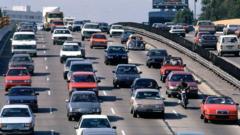
Los Angeles has long been synonymous with American car culture, characterized by its sprawling freeways and a love for classic cars. With the impending 2026 World Cup and the 2028 Olympic Games, the city is seeking alternatives to its heavy reliance on automobiles. Advocates assert that the city's exceptional weather conditions and vast landscapes make it ideal for cycling, yet only 1% of Angelenos currently bike to work.Damian Kevitt, the executive director of Streets Are For Everyone, believes that expanding biking infrastructure is essential for the city's transition. In 2017, LA adopted the "Twenty-eight by '28" transport plan aimed at connecting bike lanes and enhancing mass transit options before the Olympics. Despite the plan's ambitious nature, it has faced skepticism from some residents who argue that bike lanes increase traffic congestion. Voters in 2024 favored a measure to promote bike lanes and enhance walkable spaces—yet some city residents, including Darin Drabing, president and CEO of Forest Lawn Cemetery, express concerns over potential traffic disruptions caused by new biking paths. While cities like Paris and London have successfully integrated protected bike lanes, Los Angeles faces pushbacks from residents worried about existing traffic conditions.Cyclist Mimi Holt recounts her return to biking after decades of fearing the city's busy roads, expressing excitement over the prospect of interconnected bike lanes. Mayor Karen Bass emphasizes the vision for a "transit-first" Olympics while lamenting a slow progress in constructing the over 100 miles of planned bike lanes. The city has secured substantial federal funding to support these transportation efforts, and Bass remains hopeful about further financial assistance. However, many locals remain skeptical about an imminent shift from car culture to cycling, with some viewing the idea of a car-free Olympic Games as unrealistic.As LA moves toward transportation reform, the hope is that these changes could foster a more bicycle-friendly landscape, prompting a cultural shift away from car dependency, even beyond the highly anticipated Olympic events.