In brief
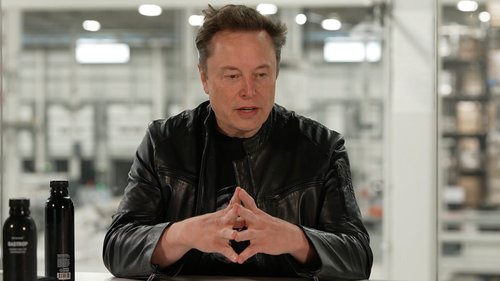
During a notable trip to the Persian Gulf with President Trump, Elon Musk made headlines by securing two significant contracts that underline the intersection of international politics and private enterprise.
In a significant overlap of leadership, Elon Musk, the world-renowned entrepreneur and CEO of SpaceX, was present during President Trump's recent visit to the Persian Gulf, which proved fruitful for both figures. As Trump visited Saudi Arabia, Musk announced that SpaceX received the green light to deliver its revolutionary Starlink satellite internet services. Following Trump’s journey to Abu Dhabi, Musk's other venture, Neuralink, revealed plans to initiate a clinical trial in partnership with the local health ministry, although financial details remain undisclosed.Additionally, sources indicated that SpaceX is negotiating to provide internet services to Emirates Airlines, a state-owned airline, further cementing Musk's business ties in the region. This pattern of fiscal ambition showcases Musk’s dual influence—he participates in high-level meetings and can significantly impact government programs while simultaneously profiting from federal contracts.The implications of Musk’s presence extend beyond commercial interests; his engagements coincide with an ongoing trend among Persian Gulf monarchies that seek to enhance alliances with Western businesses and figures. These leaders are known to invest in global sports and media, continually reshaping their international relationships and influence.Musk's ventures, particularly in regions characterized by authoritarian governance, raise pertinent questions about the ethical dimensions of business practices that intertwine with significant global policies. As American foreign policy evolves, Musk’s movements in the Gulf will be closely scrutinized for potential conflicts of interest entwined with his soaring wealth and influence.