In brief
In Kazan, Putin celebrates power alongside China and India while the world watches a chaotic backdrop.
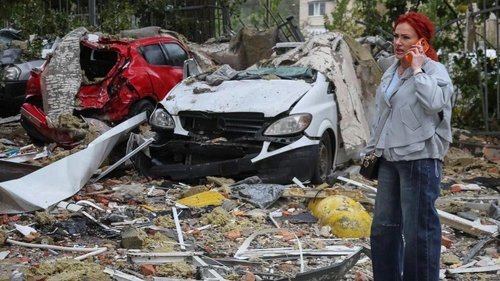
In a picturesque setting along the Volga River, Russian President Vladimir Putin hosted the BRICS summit this week, presenting himself as a prominent leader amidst a gathering of emerging economies. Over three days, he reveled in interactions with heads of state, including Chinese President Xi Jinping and Indian Prime Minister Narendra Modi, showcasing a camaraderie that spoke volumes about shifting international alliances. Amidst clinking champagne flutes and self-congratulatory discussions, Putin declared to attendees that the West is entrenched in a decline that he deemed irreversible. This gathering, however, unfolded under a stark backdrop: Putin's ongoing war in Ukraine approached its third year, while concerns were mounting over North Korean soldiers spotted in Russia—a situation that could signal deeper geopolitical implications. As Israel appeared ready to engage in retaliation against Iran, and with an imminent American presidential election set to reshape global security dynamics, the summit felt encapsulated in a bubble of detachment. For Putin, this BRICS summit represented not just a meeting of allied leaders but a platform to proclaim a vision of a new world order, free from Western domination. Surrounded by supportive state media and like-minded political figures, he projected an image of strength and relevance against the noise of global dissent. The reality beyond Kazan may paint a different story, one marked by volatility, but within this summit, the narrative was firmly under his control.