In brief
The Trump administration's negotiations may expose the U.S. to increased intelligence threats.
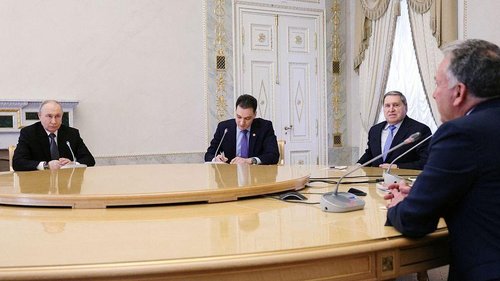
In a significant shift in international relations, the Trump administration is in discussions with Russia to potentially allow the return of several Russian diplomats to the United States. This initiative, coming after years of reciprocal expulsions, has raised alarms among experts who fear it may serve as a cover for espionage activities.The negotiations, which took place during meetings in Istanbul last month, involved U.S. officials exploring ways to restore diplomatic ties and facilitate normal operations for both nations. Secretary of State Marco Rubio led the U.S. delegation in Riyadh, where officials from both sides expressed a desire to ensure their diplomatic missions could function effectively, possibly setting the groundwork for a broader peace agreement regarding the ongoing conflict in Ukraine.However, intelligence experts warn that the Kremlin might exploit this diplomatic thaw by sending spies disguised as diplomats, seeking to reestablish their operational capabilities within the U.S. This concern is particularly poignant given the current environment, where Russia's covert actions against Western targets have become increasingly overt.While the potential readmission of Russian diplomats could be seen as a gesture of goodwill, it begs the question of whether U.S. national security is being compromised in the name of diplomacy. The contrast is stark; the U.S. has a history of placing its own operatives within its embassies in Russia, but the advantages may skew in favor of the Russians, who would operate from within the more open American society.As the diplomatic discussions unfold, the balance between renewing diplomatic relationships and safeguarding national security remains delicate. Experts advise vigilance as the situation develops, aware that the complexities of international relations can yield unexpected and potentially dangerous outcomes.