In brief
Experts emphasize this unprecedented behavior reflects a significant departure from historical norms, raising concerns over democratic stability.
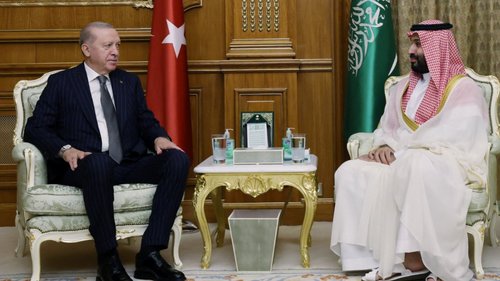
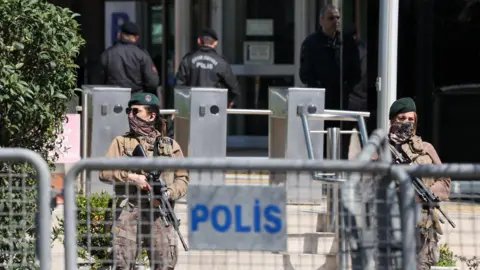
In a striking escalation, President Trump’s confrontation with federal courts has experts drawing troubling parallels between his actions and those of authoritarian leaders around the globe. These comparisons highlight his distinct approach, which involves not merely restructuring the judiciary but asserting a disregard for court authority altogether.Political scientist Steven Levitsky, a notable Harvard professor and co-author of critical works like "How Democracies Die," emphasizes the extraordinary nature of Trump's methods. "I’ve never seen anything like it,” Levitsky remarked. According to him, the first months of this administration indicate a level of aggressive authoritarian behavior that could surpass instances of democratic backsliding observed in countries like Hungary and Poland.While many autocratic leaders have historically sought to weaken judiciary power through strategic court packing or legislative alterations, Trump's immediate actions are unprecedented. He appears to operate under the belief that judges currently lack the power to check his authority effectively. Looking at cases like Turkey and Hungary provides crucial insight. In Erdogan's Turkey, the pathway to judicial control involved years of systematic purges and constitutional changes following a failed coup in 2016. Similarly, Hungary's Viktor Orban resorted to years of strategic amendments and pressured retirements to reshape the judiciary. In stark contrast, Trump's allegations to disregard or bypass court orders challenge and undermine the very foundation of judicial independence, raising serious alarm about the future of U.S. democracy. The rapidity of these developments has scholars urging vigilance among citizens and political analysts alike, fearing the implication of such unchecked power could pose a severe threat to democratic norms. As the political landscape continues to evolve, the discourse surrounding Trump's role in this possible shift towards autocracy remains critical, inviting further scrutiny and debate among political observers.