Academic Emily Wilson Criticizes Christopher Nolan’s “The Odyssey”
Sir Christopher Nolan’s latest blockbuster, The Odyssey, has drawn both applause from critics and enthusiastic audiences, yet not everyone is satisfied. Emily Wilson, the 2017 translator of Homer's Odyssey whose work was cited by the director, has unleashed a scathing review in the London Review of Books, challenging the film’s creative choices and narrative depth.
Wilson’s critique of the adaptation
Wilson accuses the film of a “gimmicky” storytelling structure, claiming the writing is abysmal and that none of the characters exhibit convincing motivation. She notes the lack of sex scenes and describes the food as “horrible,” criticizing the lack of psychological, emotional, political and ethical depth that she believes the source material should inspire.
Despite her negative assessment, Wilson acknowledges that the film has sparked a resurgence of interest in Homer's story, noting that translations of the epic—including her own—are flying off shelves and that the film may keep younger generations engaged with literature.
Balance of critical voices
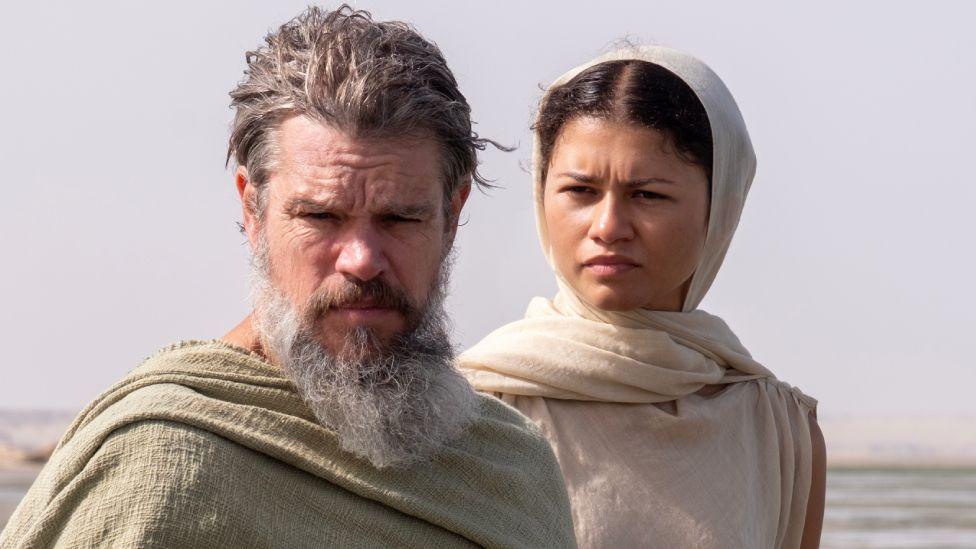
Wilson is far from the only voice on the film’s reception. Mainstream outlets such as the Telegraph, Metro, The Times and the Standard have lauded The Odyssey as “the film of the year,” “a masterpiece in every way,” and “a colossal piece of cinema.” The release features a star‑studded cast, including Matt Damon, Zendaya, Tom Holland, Robert Pattinson, Anne Hathaway and Lupita Nyong’o, and depicts Odysseus’s perilous journey home from the Trojan War.
In the director’s own words, Nolan used Wilson’s opening line “Tell me about a complicated man” as a guide for the characterisation of Odysseus, signalling the inspiration drawn from the translator’s work. The film continues to draw crowds, with audiences praising its visual spectacle as a modern equivalent of a “fireworks display,” though the emotional resonance remains debated.
Wilson’s review serves as a counterpoint to the glowing press coverage, offering viewers a more nuanced perspective on the adaptation of a timeless epic into contemporary cinema. The debate highlights the enduring tension between artistic fidelity and cinematic spectacle in modern film adaptations of classic literature.