In brief
In Tirana and cities across Albania, demonstrations that began over student protests and long‑standing grievances have escalated into violent clashes with police, fires set to government buildings, and waves of public anger. Students aggrieved by high tuition and the cost of living joined forces with long‑time anti‑government demonstrators—most famously the Flamingo movement—in a call for Prime Minister Edi Rama’s resignation. The violence has spread to Durrës, Shkodër, Korçë and Vlorë, and the government has accused opposition forces and even foreign actors of inflaming the situation. Travel advisories warn visitors to avoid large gatherings and stay alert to local updates. Albania’s stability is now under scrutiny as it seeks closer ties with the European Union.
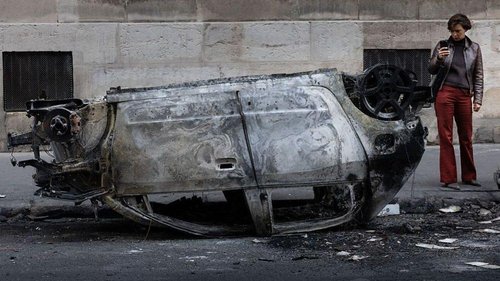
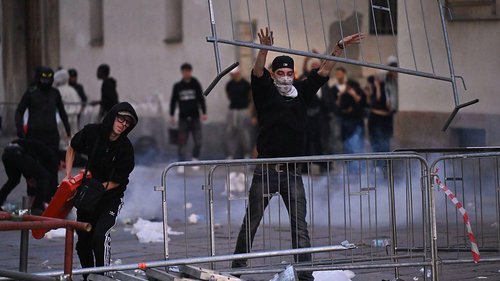
Thousands of Albanians have taken to the streets in Tirana and throughout the country, turning what began as student protests into a nationwide riot. The clash between demonstrators and anti‑riot police has turned violent, with protestors throwing stones and when police responded with tear gas, water cannon and batons, many injuries were reported.
One of the most dramatic scenes was seen in central Tirana, where a protester held up an Albanian flag in front of a kiosk that caught fire. The blaze spread to the local education ministry and other state buildings, with several offices set ablaze as protestors demanded major changes in government policy and the resignation of Prime Minister Edi Rama.
The surge of protest is linked to the long‑running Flamingo movement, which began in June with a demonstration against a luxury resort project tied to Jared Kushner. For months, protesters held flamingo cut‑outs outside parliament, calling for Rama to step down. This week, the movement has merged with student demands for lower tuition and higher living standards, resulting in broader and more intense demonstrations.
Prime Minister Rama visited the damaged buildings and blamed opposition leader Sali Berisha for instigating the chaos. He denied any intention to resign, saying he would "listen, address legitimate concerns and keep Albania moving forward." Meanwhile, several members of the opposition, including a deputy prime minister who fled the country, have been sacked, deepening the political crisis.
Eyewitnesses describe a mob of young people, parents and even grandparents who carried flamingo posters and fought against police. A woman named Livia told us the protests had been met with ridicule and humiliation, making her feel their voices would not be heard. Another protester, Brunela, expressed fears over the government response and the future of Albania’s youth.
International observers warn that the violence could threaten Albania’s bid for European Union membership and damage a growing tourist economy. The UK government has advised travelers to monitor media and avoid protests and large gatherings. Despite the violence, many authorities say the unrest remains largely contained in the major cities, though the situation could quickly change.