Assessing Canada's Religious Symbols Ban: A Constitutional Challenge and Its Implications
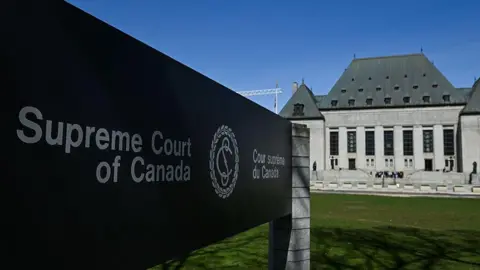
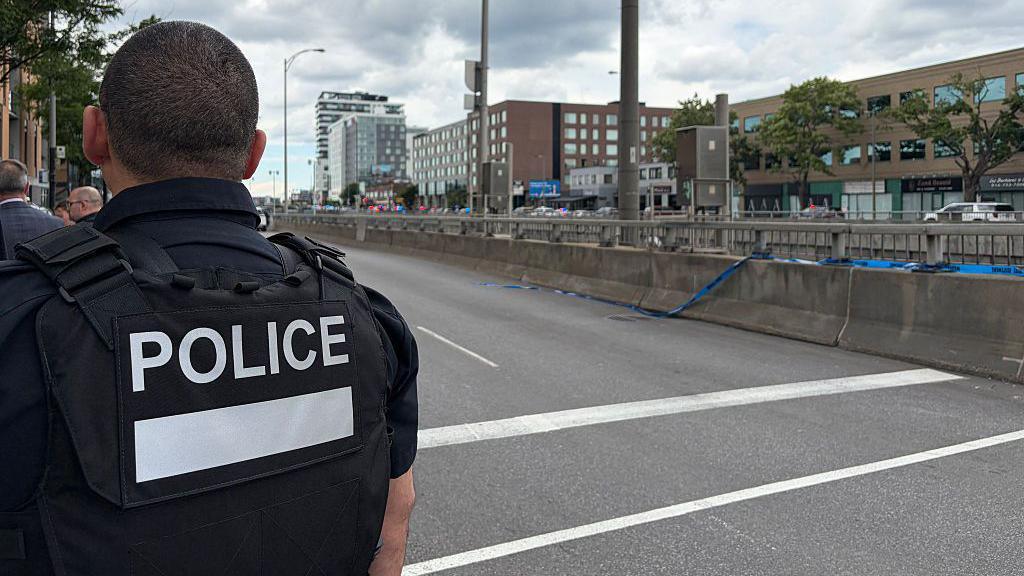
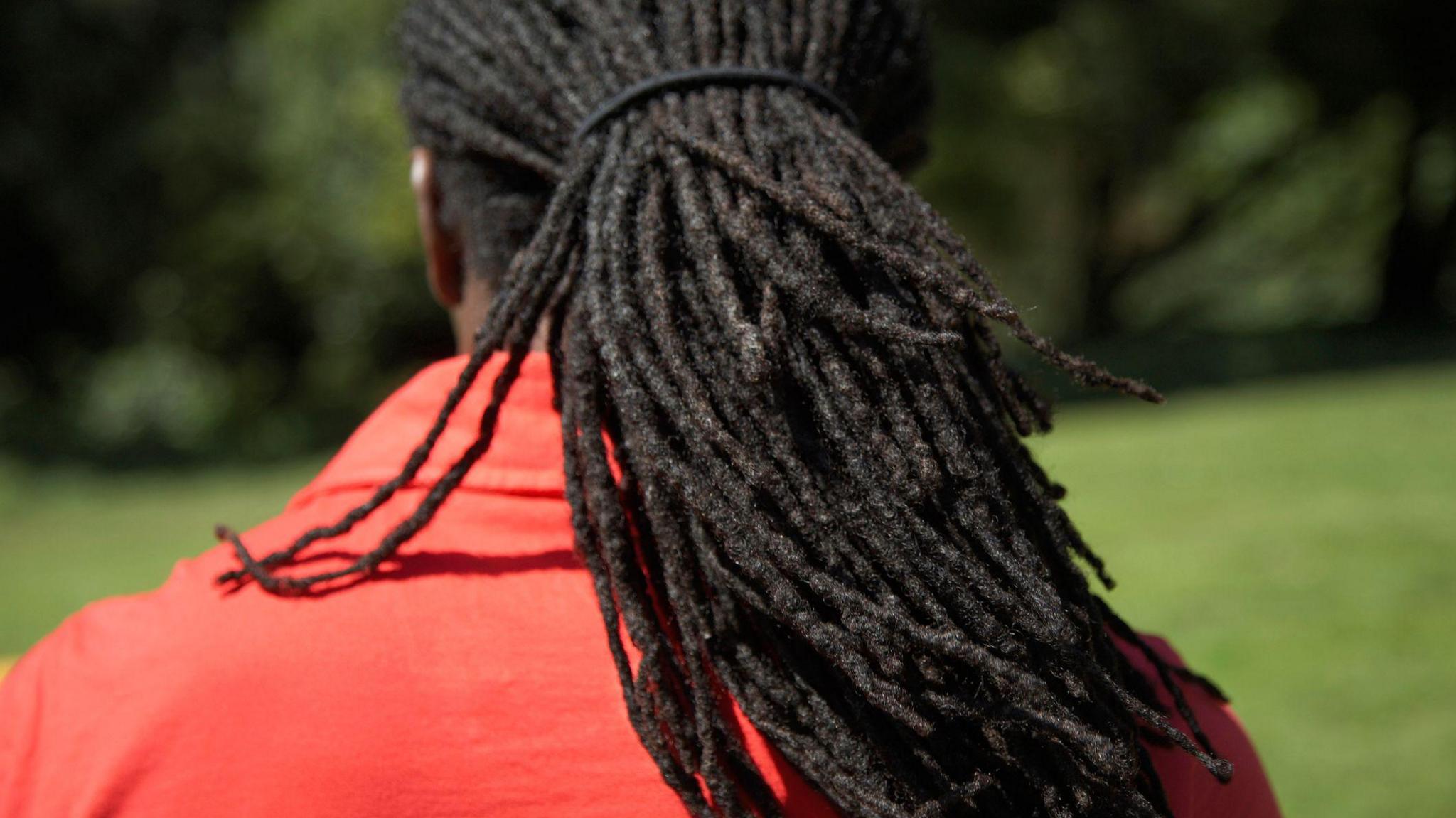
Quebec's Bill 21, a secularism law that prohibits civil servants like judges, police officers, and teachers from wearing religious symbols at work, is set to undergo scrutiny by the Supreme Court of Canada. Legal experts assert that the implications of this case go far beyond mere religious expression, possibly affecting the very fabric of national unity and the power dynamic between elected officials and the judiciary.
The contentious nature of Bill 21 has led many to believe that this case might be one of the most significant constitutional challenges in a generation. Christine Van Geyn from the Canadian Constitution Foundation remarked that how the law is interpreted will impact future legislation on religious expression and civil rights.
In an effort to safeguard the law against legal challenges, Quebec's government invoked the 'notwithstanding clause,' a provision in the Canadian Constitution that allows governments to bypass certain constitutional rights. This move, however, has raised alarm among civil liberty advocates, who argue that such power could lead to oppressive laws, questioning what limits govern its application.
The Canadian Civil Liberties Association (CCLA) has described the province's legal defense as spine-chilling, raising concerns that such a sweeping use of the clause could enable extreme measures, like banning abortion or criminalizing dissent.
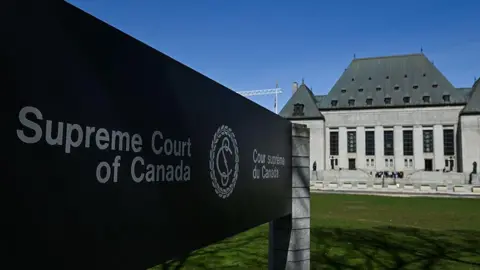
As the Supreme Court prepares to hear the case, featuring over 50 interveners including the federal government, the debate around Bill 21 opens discussions on how constitutional rights are upheld in provincial legislation and the potential for overreach.
Understanding Bill 21 and Its Implications
Bill 21 embodies Quebec's secularist identity, asserting that state institutions should maintain religious neutrality. Proponents argue that it represents a necessary separation of church and state akin to the American model, while critics contend it discriminates against minority religious groups, particularly Muslim women.
The CCLA and individuals affected by the law, including Ichrak Nourel Hak, a Muslim teacher, argue that the law infringes on individual dignity and freedom, particularly for those aspiring to public service roles. They highlight that the law's broad interpretations disproportionately affect religious minorities.
The Role of the Notwithstanding Clause
The 'notwithstanding clause,' a unique feature of the Canadian Constitution, allows provincial or federal governments to override certain fundamental freedoms temporarily. Although it was crafted as a compromise during the Constitution's patriation in the 1980s, its use has evolved, with critics now claiming it is misapplied beyond its intended purpose.
Federal vs. Provincial Perspectives
The federal government, while not directly contesting the merits of Bill 21, has emphasized that the 'notwithstanding clause' should not function as a limitless tool for legislative power. This position has faced backlash from various provincial governments that see it as an attack on their sovereignty.
As both sides prepare for the hearings ahead, the outcome will influence not only the future of Bill 21 but may also set a precedent for the use of the 'notwithstanding clause' in Canadian law, shaping the landscape of civil liberties for generations to come.