Azerbaijani President Ilham Aliyev ordered the release of French national Martin Ryan, a case which erupted hours after the European Union agreed to lift sanctions on Russian billionaires Alisher Usmanov and Mikhail Fridman. The pardon came as part of a decree that freed 20 people, including Azerbaijani, Turkish, and French citizens.
Ryan, who was convicted in March 2024 on espionage charges, has repeatedly denied any spying activities. The charges claimed he collaborated with members of France’s security services in Baku, gathering information about Azerbaijan’s relations with Turkey, Iran, Pakistan, and enterprises linked to Russia and China. His lawyers and the French government say the case was politically driven.
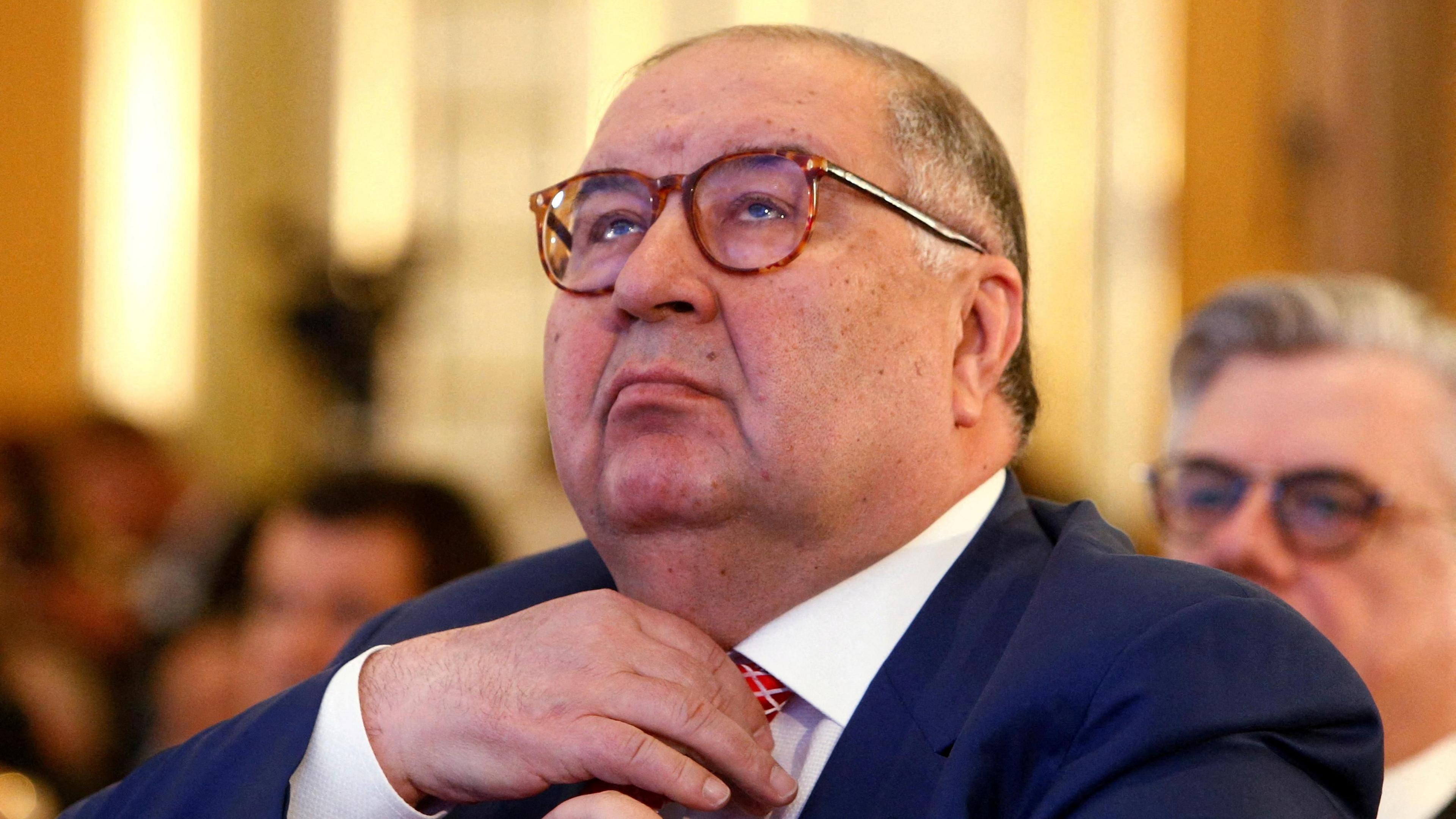
The timing of the pardon coincided with the EU’s decision to remove the sanctions list entries for Usmanov and Fridman—a move that was influenced by diplomatic pressure from several European states, notably France and Slovakia. The decision drew immediate outcry from Ukraine, where Foreign Minister Andriy Sybiha criticized the EU, saying the move offered Moscow “impunity” and sowed division among European partners.
Latvia, originally opposed to the sanction relief, opted to abstain and announced it would impose its own restrictions on the two Russian figures. The Latin foreign minister deemed the EU action “dangerous” amid Russia’s escalated conduct.
In Azerbaijan, relations with France have been strained due to France’s historical ties with Armenia. Nonetheless, French President Emmanuel Macron said he had discussions with President Aliyev that could mark a “new era” in their relations—a context that may help explain the swift pardon.
Under the decree, 20 people—including Myers, Turks, Azerbaijanis, and French nationals—were granted full amnesty. Of the other individuals sentenced on espionage grounds, Azad Mamedli received a 12‑year jail term and was not included in the pardon.
While recognition of the EU’s sanction relief was met with condemnation in Kyiv, the larger diplomatic ramifications remain to be seen. The situation illustrates the complex interplay between economic sanctions, espionage allegations, and state diplomacy in contemporary geopolitics.