In brief
In the wake of a recent ceasefire agreement, Gaza is experiencing a notable inflow of humanitarian aid, crucial for replenishing resources after months of conflict. However, the ongoing needs of the population remain substantial.
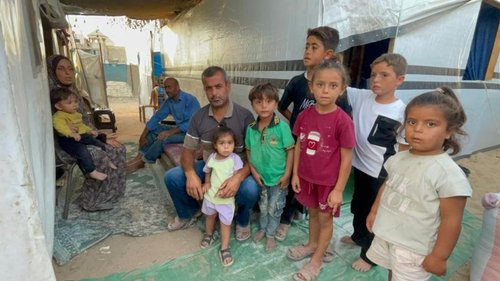
In southern Gaza, a small crowd gathered outside a warehouse, eagerly waiting for humanitarian aid that is critical for the beleaguered territory. Many families left with sacks of flour and boxes of food, visibly relieved to receive supplies after enduring severe shortages during the ongoing war lasting over 15 months. Restrictions imposed by Israeli authorities, combined with a chaotic security situation leading to the looting of aid trucks, had previously limited essential deliveries of food, water, and medical supplies.Since the ceasefire went into effect, an increasing number of trucks filled with food, fuel, and other necessities have been crossing into Gaza daily. Palestinian officials and aid workers report a promising uptick in food deliveries, but ongoing logistical hurdles pose challenges for sustaining these efforts. The need for continued support is paramount, as highlighted by the immense scale of the humanitarian crisis left in the conflict's wake.According to Jonathan Whittall, interim head of the U.N. humanitarian office for Gaza, the organization managed to transport more food into the territory in just three days this past week than during the entire month of October. Various U.N. agencies and charities are also beginning to distribute medical supplies and fuel to support hospitals and access to clean water, aiding in the repair of damaged infrastructure. Preparations are underway for the arrival of tents for those displaced, while bakeries are expected to resume bread production soon.While the outlook appears optimistic with the arrival of aid, the focus remains on how to ensure consistent support for Gaza’s residents who continue to face immense challenges in accessing basic needs. As the situation evolves, the international community's commitment to maintaining aid flow will be crucial to address the ongoing humanitarian crisis effectively.