In a country where long queues and office stalls become routine experiences, a handful of civil servants step out in the spotlight by enacting law rather than waiting for it.
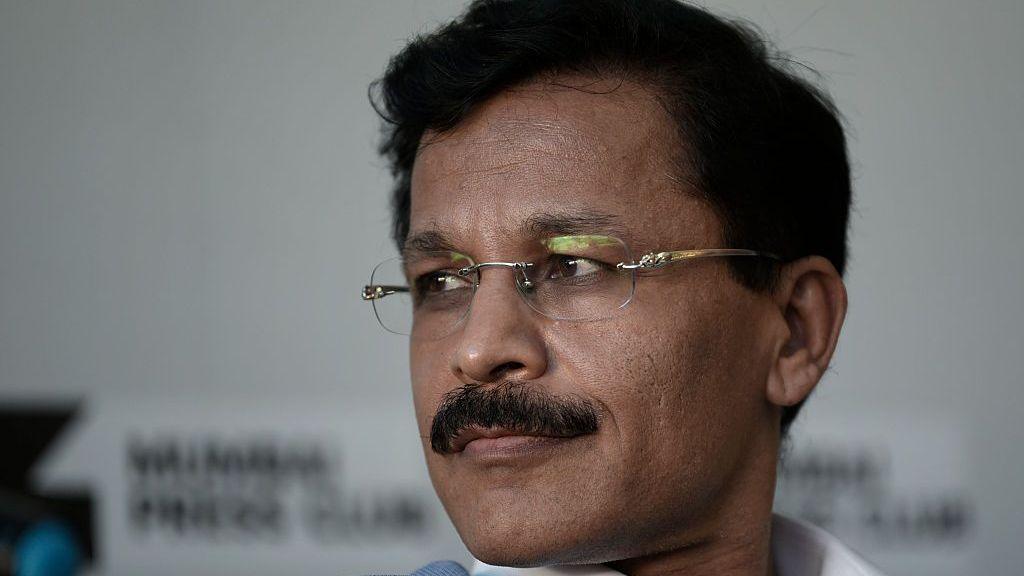
Tukaram Mundhe, 51, the commissioner of Maharashtra’s Food and Drug Administration, has led a series of enforcement drives since May, inspecting restaurants and other food outlets for pest infestations, poor hygiene and expired items. The videos of his inspections, widely shared online, portray him as a caretaker of public health. Mundhe’s actions have also highlighted gaps between hospital supply prices and patient fares, again drawing public attention.
Another example is RS Batth, a town‑planner in Gurugram. He has earned praise for targeting illegal construction and encroachments, actions that have led to several viral clips and public support from those who see bureaucracy as a daily obstacle.
Yet these officers are not alone. The nation's administrative machinery is vast, yet only a select few break into the public eye by “cutting through red tape.” This is partly because most civil servants work quietly, handling paperwork or back‑office tasks that stay hidden from citizens’ daily lives.
Historically, India has produced a few iconic “no‑nonsense” bureaucrats. In the 1990s, election commissioner N. K. S. Seshan was renowned for rigid rule enforcement. Kiran Bedi, IPS, became a household name for her stringent approach to law enforcement in the 1980s, and police officer Neeraj Jadaun was lauded for confronting a violent mob in 2020.
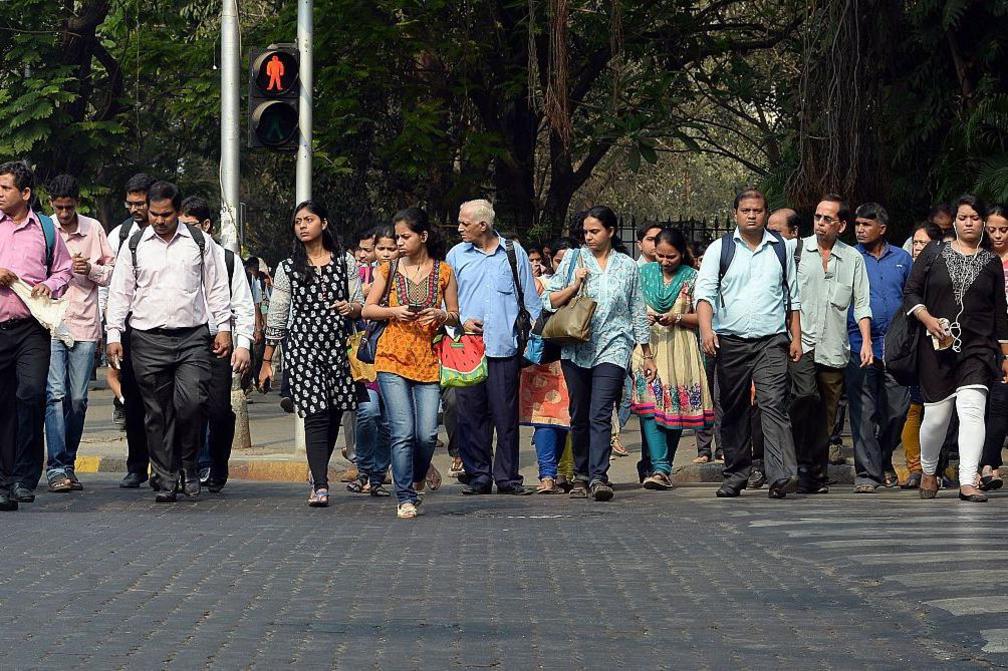
While such stories assemble a mythos of honest bureaucracy, the average civil servant often works unseen, facing public frustration over prolonged waits and perceived indifference. Citizens like Rajesh Singh testify to the years taken to get simple paperwork processed, sometimes extending six months for a task supposed to take 24 hours.
Enforcement can also draw backlash. Mundhe has been accused by the food and hospitality community of selective or unlawful action, claiming his process is evidence‑driven and licences are suspended only in serious breaches. Similarly, Batth faces criticism that his actions disproportionately affect vulnerable people, such as street vendors with no alternatives for shelter.
Resistance to political pressure can be costly. Pushpa Sundar, a former civil servant turned development writer, argues that officers risk transfers or backlash when they refuse illicit demands. He cited an experience as district magistrate in 1974 when a minister’s demands were declined, leading to political pressure and a public outpouring of support.
Social media magnifies these stories. A local inspection that might take days now gets filmed, uploaded and seen by millions within hours, turning a bureaucratic task into a national talking point almost overnight. For Mundhe, the focus is on public‑health rather than fame. He says the rules exist for good reasons and his role is simply to enforce them.
Overall, when ordinary government functions are carried out visibly and consistently, they stand out against a backdrop where many citizens expect delay and indifference. These “hero” bureaucrats serve as a reminder that diligent and explicit rule‑enforcement can change public perception, even if it also raises questions of balance, fairness and the possibility of overreach.