In brief
As national parks and forests face extensive staffing cuts, public access and conservation standards are declining, prompting widespread backlash among staff, conservationists, and potential visitors. Limited resources threaten safety and cleanliness during peak tourism season.
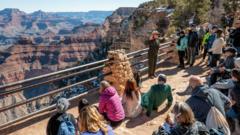
The Trump administration's significant reductions in staffing at national parks, forests, and wildlife habitats have ignited substantial public outcry as summer approaches. Visitors are already experiencing the consequences—longer entrance lines, reduced hours at visitor centers, closed trails, and deteriorating public facilities—with concerns mounting over both the visitor experience and ecological conservation.Kate White, a National Forest wilderness ranger in Washington’s Enchantments, has witnessed firsthand the impacts of these cuts. Each season, she and her team typically haul an average of 600 pounds of litter from the area, known for attracting over 100,000 visitors annually. With staff numbers dwindling, vital maintenance—like servicing backcountry toilets via helicopter—could fall by the wayside. “That’s probably gonna be very damaging to the ecosystem,” White warns, highlighting her fears around public safety during future excursions.Mass firings announced on February 14 have resulted in a 5% reduction in National Park Service staff—around 1,000 employees let go—and an even steeper cut of roughly 10% from the U.S. Forest Service, totaling around 3,400 jobs. These overwhelming reductions jeopardize safety in these popular recreation areas, which see approximately 325 million visitors annually across national parks and 159 million in national forests. Recent weekends have presented chaotic scenes at parks like the Grand Canyon, where long lines snaked through entry points due to a shortage of toll operators; the repercussions of staffing shortages are palpable. Directly following the announcement of mass terminations, a trail near Seattle was shut indefinitely, reinforcing the immediate impact of staffing reductions.In an act of protest, employees at Yosemite displayed an upside-down American flag to express concern over the cuts. Andria Townsend, a biologist at the park, condemned the layoffs, particularly citing the impact on endangered species research, as she worked directly with critically endangered Sierra Nevada red foxes and Pacific fishers. “It’s really hard to say what the future is now,” she said, alluding to the uncertainty surrounding conservation efforts.For couples Claire Thompson and Xander Demetrios, years of confidence in their roles maintaining trails near Washington's Cascade mountains crumbled after receiving termination emails. Citing the personal risks involved in backcountry work, they expressed their dismay over their contributions being seemingly overlooked by decision-makers. With their earnings capped at $22 an hour, they viewed the cuts as insidious of the devaluation of their dedicated service. The backlash prompted some rehiring after mass layoffs, and Interior Secretary Doug Burgum pledged to onboard over 5,000 seasonal workers for the summer. However, he maintained that the federal budget's financial strain necessitated the cuts. "Every American is better off if we actually stop having a $2 trillion a year deficit," he stated during an interview.Despite these assertions, travel advocates warn that visitors should brace for defaults in service as national park entities struggle without adequate staffing. Litter management, accommodation availability, and overall visitor satisfaction hang in the balance. Recent experiences, like Yosemite's solitary locksmith being laid off and unresolved damages to the Appalachian Trail, further emphasize the dire situation for park services.As wildfire threats loom in the upcoming dry season, concerns deepen about firefighting capacity. Wildland firefighters have largely remained untouched by cuts, but those terminated performed critical supportive roles in ensuring public safety during emergencies. Dan Hilden, a firefighter, recognized the essential nature of these positions, indicating that spending days in wilderness areas for safety sweeps may become increasingly untenable.As summer approaches, the ramifications of these staffing decisions at national parks could not only be felt by the organizations impacted but also by the millions of visitors who rely on these cherished natural landscapes for recreation and preservation.