In brief
Following this summer's record heatwave, French Champagne producers have been granted permission to raise the alcohol content in their bottles up to 15% for the 2026 vintage, a first in the region’s history. The hotter, drier conditions caused grapes to ripen earlier and accumulate higher sugar levels, which yeast then converts into alcohol during fermentation. Though the change will affect only a small proportion of wines, the Comite Champagne says the event could become the norm in the next decade thanks to ongoing climate shifts. Experts warn that higher strength Champagne may not become a selling point as consumers currently favour lower‑alcohol options, and the 2026 vintage is expected to reach shelves only by 2028 after mandatory aging.
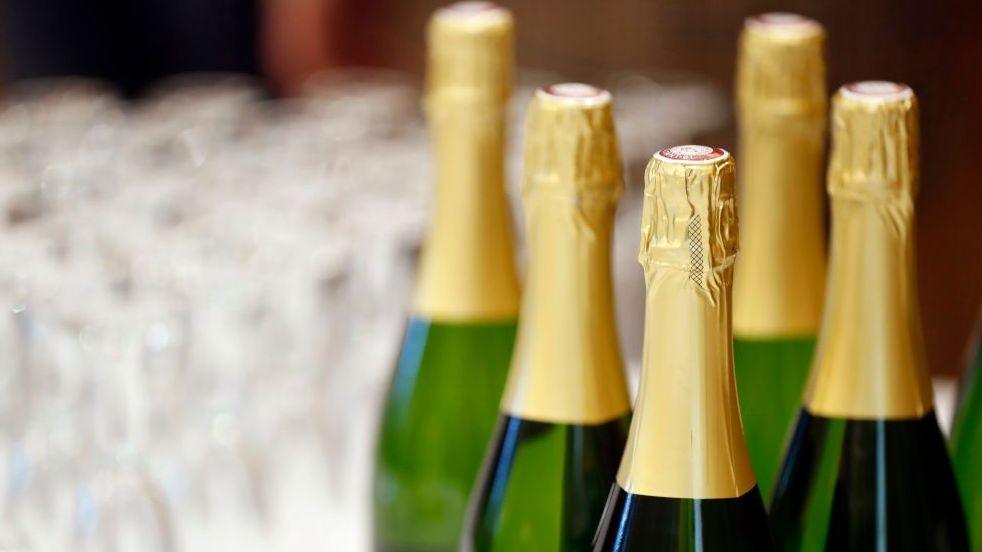
Record heatwaves in France have sparked a rare winemaking concession: for the 2026 vintage, Champagne producers can temporarily raise the alcohol content in bottles up to 15% – a leap above the usual 13% cap.
Extreme summer temperatures caused grapes to ripen earlier and shatter with sugar, giving yeast more to turn into alcohol during the second fermentation that gives Champagne its famed bubbles.
"Only a very small number of wines from this harvest will slightly exceed the regulatory limit – around 13.1% or 13.2% – so the Comité Champagne decided to lift the cap to 15% for this year," explained a spokeswoman for the industry association.
The harvest began in early August, a record‑early start noted by the association as the “earliest ever recorded” in Champagne. Experts say the 2026 growing season will be remembered as one of the most unusual in the region’s history, shaped by severe spring frosts, early flowering and five heatwaves through the summer.
Producer Stéphane Vignon of Verzenay told the Times that the Mediterranean climate is moving north, this year marking “the first of a new cycle” – not every year, but it will happen again.
Wine columnist Jane Anson cautions that higher‑strength Champagne may not become a selling point; consumers increasingly prefer lower‑alcohol drinks.
The 2026 vintage likely won’t hit shelves until 2028, as Champagne must age a minimum 15 months.
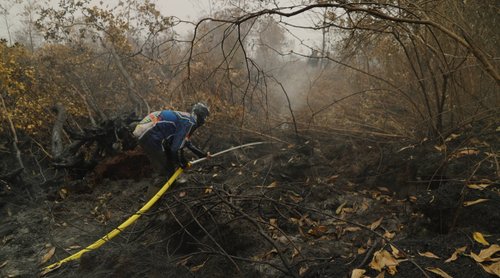
France has been one of Europe’s worst‑hit countries during this year’s extreme weather, sparking huge wildfires. Climate science points to a future of more frequent, intense heatwaves as the planet warms at twice the global average, signalling such abnormal harvests could become the norm in 10‑15 years.