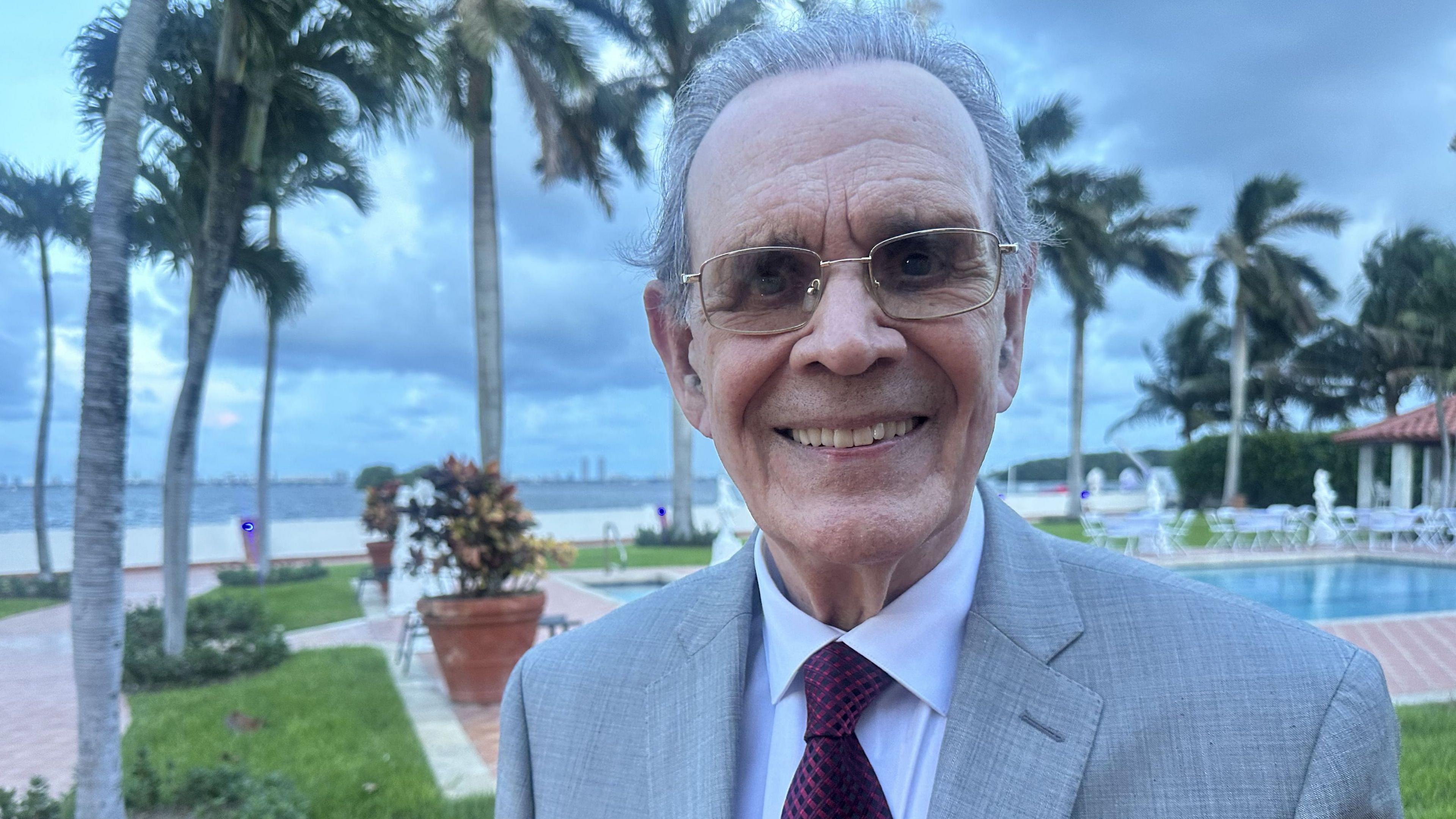
At an opulent Miami estate overlooking Biscayne Bay, a gathering of Cuba‑American wealth has charted a comprehensive strategy for Cuban recovery following a regime collapse. The meeting, organized by the newly formed Cuban‑American National Chamber of Commerce (CANCC), saw senior entrepreneurs from well‑known families such as Bacardi and Babun discuss the island’s economic plight and their plans to immediately re‑engage with Cuba should the authoritarian government be toppled.
Juan Omar Sixto, CANCC president, outlined proposals for establishing a Cuban stock exchange, restructuring energy infrastructure and ensuring food security. He insists that Miami’s business community is ready to travel to Cuba, bringing investment and technology while also demanding compensation for lands nationalised after the 1959 revolution.
The diaspora’s optimism is rooted in a long history of criticism of the Castro regime and sustained lobbying for U.S. pressure on the island. Sixto claims connections with high‑profile policymakers, including former Secretary of State Marco Rubio, could accelerate policy shifts. Yet Cuban officials dismiss the plans as nostalgic, arguing that the island’s current reforms – announced as 176 measures to liberalise the economy – are cosmetic and do not guarantee investment guarantees.
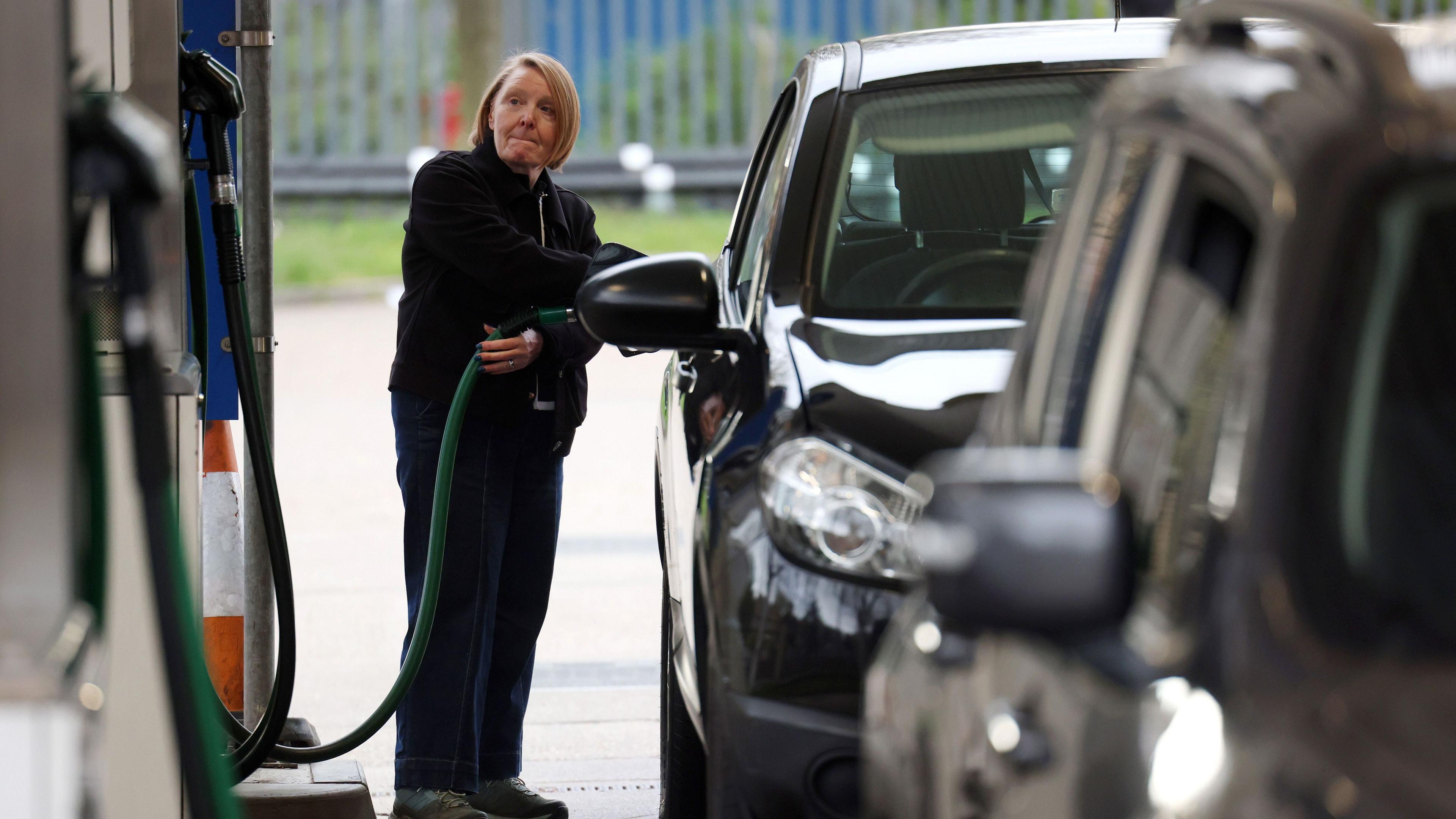
Analysts caution that the meeting may be premature. They point to the continuing political uncertainty, the absence of a clear path for change, and the risk of unintended humanitarian fallout if the island’s fragile infrastructure – already facing multiple blackouts – suddenly opens to large‑scale foreign investment.
While Miami‑based leaders demonstrate readiness, the Cuban‑American community’s plans underscore a deep divide between the diaspora’s ambition and Cuba’s lived reality. The island’s citizens continue to struggle with severe shortages of fuel, water, and medicine, and many hope for a gradual improvement rather than a dramatic, disruptive transition.