Cuban Mothers Face Challenges Amid Nationwide Blackouts
Expectant mothers in Cuba are facing an unparalleled crisis as they prepare for childbirth in a nation plagued by rolling blackouts and severe economic hardship. With more than 32,800 pregnant women currently in the country, many are struggling to access essential prenatal care amid worsening conditions.
Since the Trump administration imposed a near-total fuel blockade on Cuba, hospitals like the Ramón González Coro maternity hospital in Havana are facing dire shortages of power and medical supplies. Mauren Echevarría Peña, a 26-year-old mother-to-be with gestational diabetes, recounts her anxieties about giving birth in a facility afflicted by days-long power cuts. I'm understandably nervous, she says, as she awaits her baby boy's arrival.
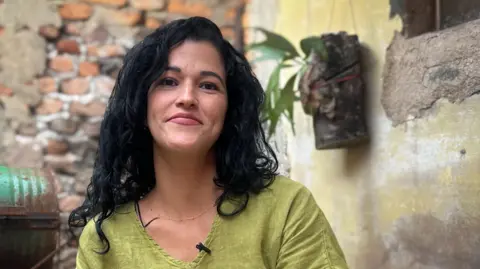
Indira Martínez, another expectant mother who is seven months along, reminisces about the days without electricity, preventing her from cooking or preparing adequate meals. With her husband earning a modest income as a blacksmith, she has watched her ability to care for herself and her unborn daughter dwindle under the crisis.
Both women express gratitude for the medical staff who work tirelessly under these challenging conditions, yet the looming questions of their children's futures weigh heavily. With a deep sense of resignation, Indira speaks of the prospects for her daughter, Ainoa, lamenting the lack of opportunity for growth and advancement in Cuba.
Government statistics reveal a deepening crisis, where essential medical supplies are dwindling, and economic pressures continue to force skilled young people to abandon their aspirations. The future of these children remains uncertain as Cuba struggles with high birth rates amidst declining economic viability.
Expectant mothers, aware of the tension between hope and reality, are determined to prevail despite what seems like insurmountable odds. Many argue that resilience will define their path forward, even in the face of adversity.