In brief
Tuberculosis treatment and testing are severely disrupted in Kenya and other countries due to significant cuts to U.S. foreign aid, resulting in a growing public health crisis.
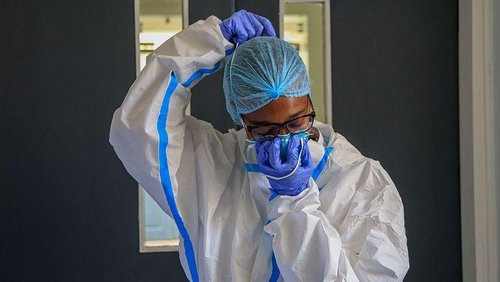
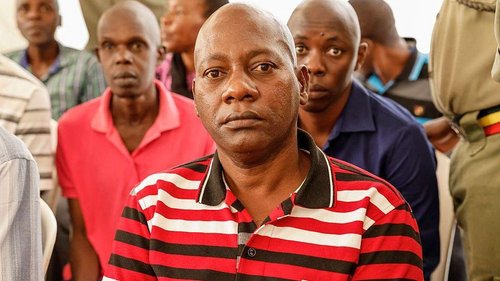
In a grim reality across Africa, the global fight against tuberculosis (TB) is taking a significant hit, particularly in Kenya, where patients are scrambling for treatment due to funding cuts from the Trump administration. Dalvin Modore, a 40-year-old patient from western Kenya, epitomizes the dire situation as he battles TB, having lost significant weight and facing increasing health complications. The Trump administration's decision to reduce American funding for health programs effective from January 20 has triggered a crisis. The U.S. has historically been one of the largest financial backers of international tuberculosis initiatives, covering nearly half of global TB funding last year. As a result, the suspension of aid has left healthcare systems in chaos, particularly in regions already grappling with high TB infection rates. Modore's increasing frailty and continued illness reflect the broader struggles of countless others impacted by the cuts. The absences of necessary treatments and testing are not only leading to deteriorating health but are also heightening the risk of spreading the disease within communities. As TB remains the leading infectious killer globally, the ripple effects of reduced funding are stark. Government officials' rationale for the funding cuts includes the belief that other nations should contribute more to their own health crises. However, the immediate consequences of this strategy have been detrimental, leaving patients like Modore in a precarious situation—a concern echoed across many other nations in Africa and Asia. The call for critical interventions is urgent as healthcare workers work tirelessly amidst dwindling resources, trying to curb the TB epidemic’s resurgence and prevent further public health implications.