In brief
New research suggests that deep-sea mining leads to a 37% reduction in animal abundance and a 32% drop in species diversity in affected areas. The study, conducted by scientists from the Natural History Museum and conducted at the request of a mining company, highlights significant ecological effects of current mining practices on marine ecosystems in the Pacific Ocean, specifically in the Clarion-Clipperton Zone.
Machines mining minerals in the deep ocean have been found to cause significant damage to life on the seabed, according to a major study directed by scientists at the Natural History Museum in London. Findings indicate that the number of animals found in the paths of these mining vehicles was reduced by 37% compared to untouched areas.
The researchers discovered over 4,000 animals in the Pacific Ocean’s seabed, with 90% belonging to species previously unknown to science. This area holds vast quantities of minerals crucial for green technologies, yet deep-sea mining remains a highly contentious subject due to potential environmental impacts.
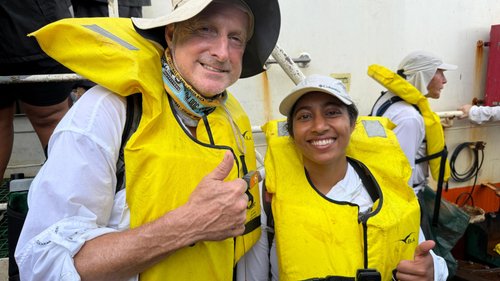
The study analyzed the effect of test mining which consisted of driving machines for 80km along the seabed, studying macrofauna such as worms and sea spiders. Notably, the research was conducted at the request of The Metals Company, who were provided results without any ability to alter them.
Lead author Eva Stewart remarked that disturbing the sediment directly impacts the vast majority of these small animals, thus resulting in pronounced declines in both abundance and biodiversity in areas where machines operated. The study found that the impacts were mainly confined to the immediate mining area, a point emphasized by company spokespersons, despite differing expert opinions on the broader implications of these findings.
This vital research, published in Nature Ecology and Evolution, brings to light the crucial dilemma surrounding these resources: the need for minerals essential in renewable energies versus the potential destruction of unique marine habitats. In light of increasing global demands for such minerals, this study raises pressing questions about the sustainability of deep-sea mining practices amidst growing environmental concerns.