In brief
President Trump blasted Israel and Iran for launching attacks following his cease-fire announcement, while both nations deny breaking the truce. As a fragile peace holds, uncertainties linger about the commitment from either side to cease hostilities.
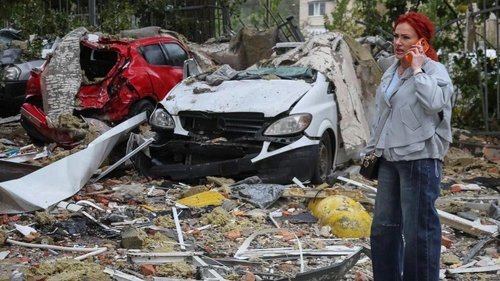
President Trump lashed out at both Israel and Iran on Tuesday, demanding they adhere to a cease-fire deal he had announced hours earlier. The conflict, marked by intense exchanges of missile fire and military strikes, has left four dead and sparked concern over escalating tensions in the region. In an address to the nation, President Trump expressed his dissatisfaction with both countries, stating, "They’ve violated but Israel’s violated it too." He specifically criticized Israeli military actions following the truce announcement, labeling their reprisals as excessive and in direct violation of the agreement. Reports indicate that an Iranian missile attack struck an apartment complex in Beersheba just hours after Trump proclaimed the end of hostilities, killing several civilians. In response, the Israeli military launched airstrikes near Tehran, further complicating the situation. The Israeli Prime Minister Benjamin Netanyahu claimed that Iran fired missiles after the cease-fire took effect, while Iranian officials denied violating the agreement, portraying their actions as justified retaliations against preemptive Israeli airstrikes. While the conflict appeared to be de-escalating, notable concerns lingered about the fragile nature of the cease-fire, which had been brokered, in part, through diplomatic efforts involving Qatar. Both nations seem eager to present narratives of victory while striving to maintain the tenuous peace. Global leaders, including French President Emmanuel Macron and Russian spokesman Dmitri Peskov, offered cautious support for the truce, underscoring the importance of sustained dialogue to prevent a resurgence of hostilities. Additionally, as markets reacted with optimism to the cease-fire announcement, stocks rallied and oil prices experienced a decline, signaling investor relief. However, the recent turbulence has stoked fears over inflation and ongoing military tensions that might challenge these gains. As further developments unfold, both domestic and international responses to the evolving landscape will shape future discussions around military engagement and strategic alliances in the region. Congress is already engaging in debates regarding Trump’s authority to act militarily, with some lawmakers pushing for restrictions on such actions moving forward.