In brief
Over the weekend, multiple wildfires in southeastern South Korea led to four deaths and significant destruction, highlighting the dangers posed by dry conditions.
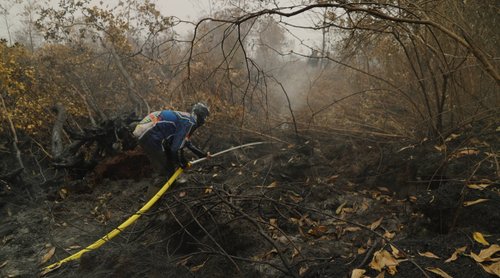
Nearly 30 wildfires erupted in the southeastern regions of South Korea over the weekend, resulting in four fatalities and injuring six others, authorities reported Sunday morning. The Interior Ministry stated that thousands of firefighters, supported by dozens of helicopters, battled against 29 fires that consumed more than 4,700 acres, leading to the evacuation of approximately 1,000 residents. Train services were disrupted, and several roads were closed as the fires prompted a state of disaster declaration from the government for parts of the affected area. By Sunday morning, almost all fires had been extinguished, with only six still active. Tragedy struck as all reported deaths and injuries stemmed from a large fire that ignited in Sancheong County, located about 160 miles southeast of Seoul on Friday afternoon. It was noted that several of the injured were in critical condition, and at least two of the deceased were firefighters.Initial investigations suggested the Sancheong fire ignited from a farmer's lawn mower. A separate fire began Saturday morning in a cemetery in Euiseong County, approximately 110 miles southeast of the capital, while another blaze started from a garbage incinerator in Gimhae, a city about 20 miles inland from Busan. Local officials reported that by Sunday morning, the Sancheong fire was about 30 percent contained, while the blaze in Euiseong was around 3 percent contained, although fire teams anticipated full control would be achieved by the day's end.With the arrival of March, April, and May—known for their dry weather—South Korean officials warn that such conditions allow fires to spread rapidly, emphasizing the urgent need for vigilant fire prevention measures.