"We built this campaign brick by brick"
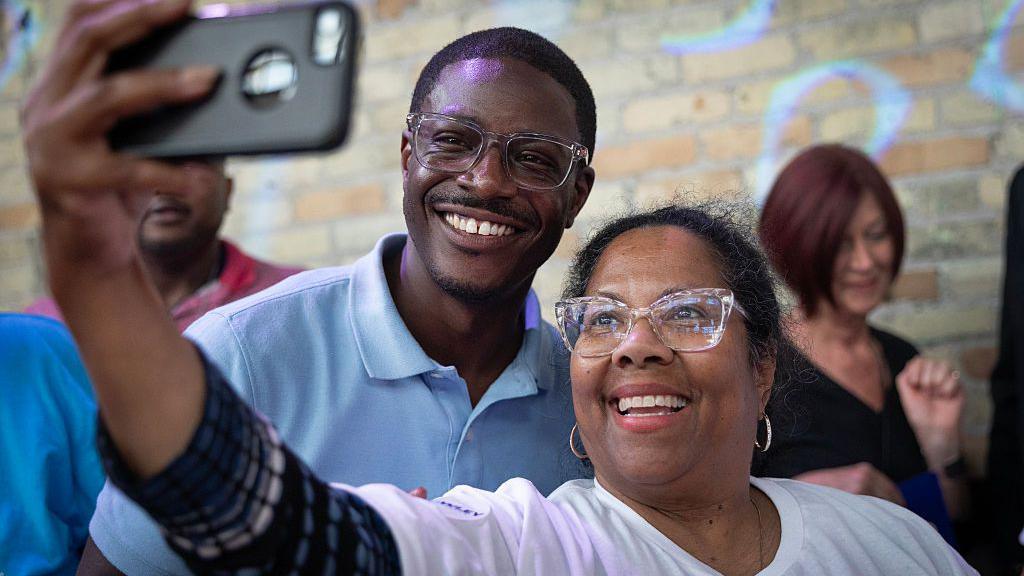
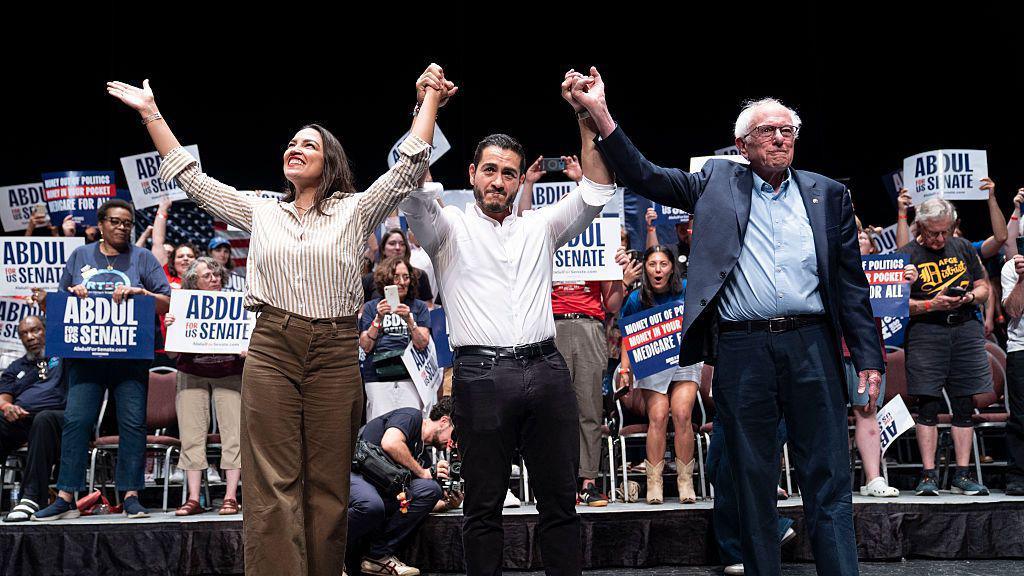
On Tuesday night Abdul El Sayed – a former Michigan health officer and child of Egyptian immigrants – secured a victory in the Democratic Senate primary that surprised many observers. His win over congresswoman Haley Stevens came despite large institutional backing for the latter, including AIPAC support and a significant fundraising advantage.
El Sayed campaigned on a distinctly left‑wing platform that included government‑run health insurance, reduced drug costs, higher taxes on the wealthy and campaign finance reform. He also positioned himself as the most skilled debater in the race, an advantage that resonated with voters seeking a decisive stance on policy issues. His campaign motto – "money out of politics, money in your pocket" – mirrored a recurring theme among progressive candidates this cycle.
The primary result underscored a broader trend of Democratic voters opening the door to insurgent candidates. It also revealed a chilling shift against pro‑Israel politicians: Stevens, heavily backed by AIPAC, and other Democratic incumbents supportive of military aid to Israel, suffered losses in their respective contests. In contrast, left‑wing challengers such as Donavan McKinney and William Lawrence, who opposed U.S. arms sales to Israel, advanced in their districts.
Outside the primary’s central narrative, voters in the Midwest rejected several Republican‑brokered ballot measures. In Missouri, a proposal to make citizen‑initiated amendments to the state constitution harder to pass was decisively rejected, while in Kansas voters also defeated a plan that would have required the state’s supreme court justices to stand for election – measures that had a history of supporting pro‑democratic initiatives.
While the success of Trump‑endorsed candidates in some GOP primaries was evident – such as John James winning the Michigan governor nomination – the tide in other contests showed nuance. In Michigan, Amir Hassan, a former law‑enforcement officer also endorsed by the former president, lost to Thomas Smith, who carried the ballot after dropping out only a month prior. These results suggest that Trump’s support remains influential but is not uniformly decisive.
El Sayed’s upcoming general‑election battle against former Republican congressman Mike Rogers will be the most critical test of a left‑wing candidate’s appeal in a swing state. A win could validate progressive strategies for the presidency in 2028, while a loss would deepen concerns about a party’s electoral viability in middle‑class areas. The outcome will also influence how the state of Michigan and its early‑voting position shape the national Democratic nomination process.