Exposure of 'Sextortion' in Zambian Politics: A Barrier to Female Participation
A senior Zambian government official has disclosed alarming reports of some political parties requesting sexual favours from women candidates as a condition for their selection ahead of the general elections scheduled for August.
Mainga Kabika, head of the gender division in the president's office, addressed a conference of state prosecutors, revealing that women have reached out to her, voicing their experiences of being approached for sexual favours in exchange for candidacy nominations.
I can confirm to you right now that I am actually receiving a lot of messages; some of them are already on record… they are reporting that they are already being asked for sexual favours in exchange for adoption [as candidates], and this is unacceptable, Kabika stated.
She urged aspiring female candidates to document all instances of such exploitation, although she did not disclose the specific political parties implicated. This revelation brings to light the disturbing trend of 'sextortion', which is discouraging women's participation in politics.
Beauty Katebe, chair of the Non-Governmental Gender Organisations Coordinating Council, echoed Kabika’s concerns, stating, This situation is very troubling as it discourages many women from participating in politics, particularly as candidates.” She highlighted that many women face additional hurdles stemming from cultural biases and the stigma attached to reporting such incidents.
Katebe advocated for the establishment of specialized courts to expedite the handling of these allegations and called for stronger laws against sexual harassment to deter these abuses. If they were being exposed, they would definitely stop, she remarked regarding the alleged offenders.
Zambia’s political landscape is characterized by a significant gender imbalance. According to the presidency, females hold approximately 15% of parliamentary positions, reflecting deep-rooted cultural and structural barriers that hinder women's advancement in leadership.
The Zambian government has acknowledged this disparity, noting the need for greater representation of women in politics. Last year, the presidency's statement indicated that only 28% of civil service directors are women, and out of 36 CEOs of state-owned enterprises, only five are female.
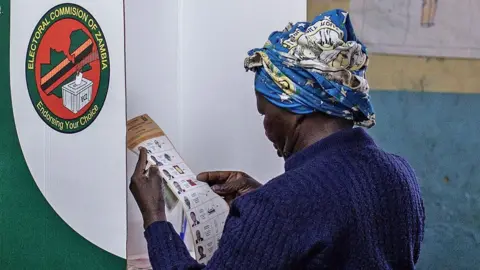
As the general election approaches, scheduled for August 13, Zambians will be voting for a president, members of parliament, and local councillors, creating an urgent need for reform to ensure equitable participation of women in the political process.