In brief
Mundhe, a 51‑year‑old civil servant, has taken over 3,000 inspections in Maharashtra, turning food‑safety violations into viral social‑media content. His aggressive crackdown—publicly shaming businesses, suspending licences and issuing bans on harmful practices—has attracted millions of followers and sparked debate over rule‑enforcement. While praise lines up with safer eating habits, critics and courts complain of hasty, high‑handed actions that risk unfair shutdowns. The story highlights the power of digital transparency and the challenge of keeping safety standards alive beyond a single officer’s tenure.
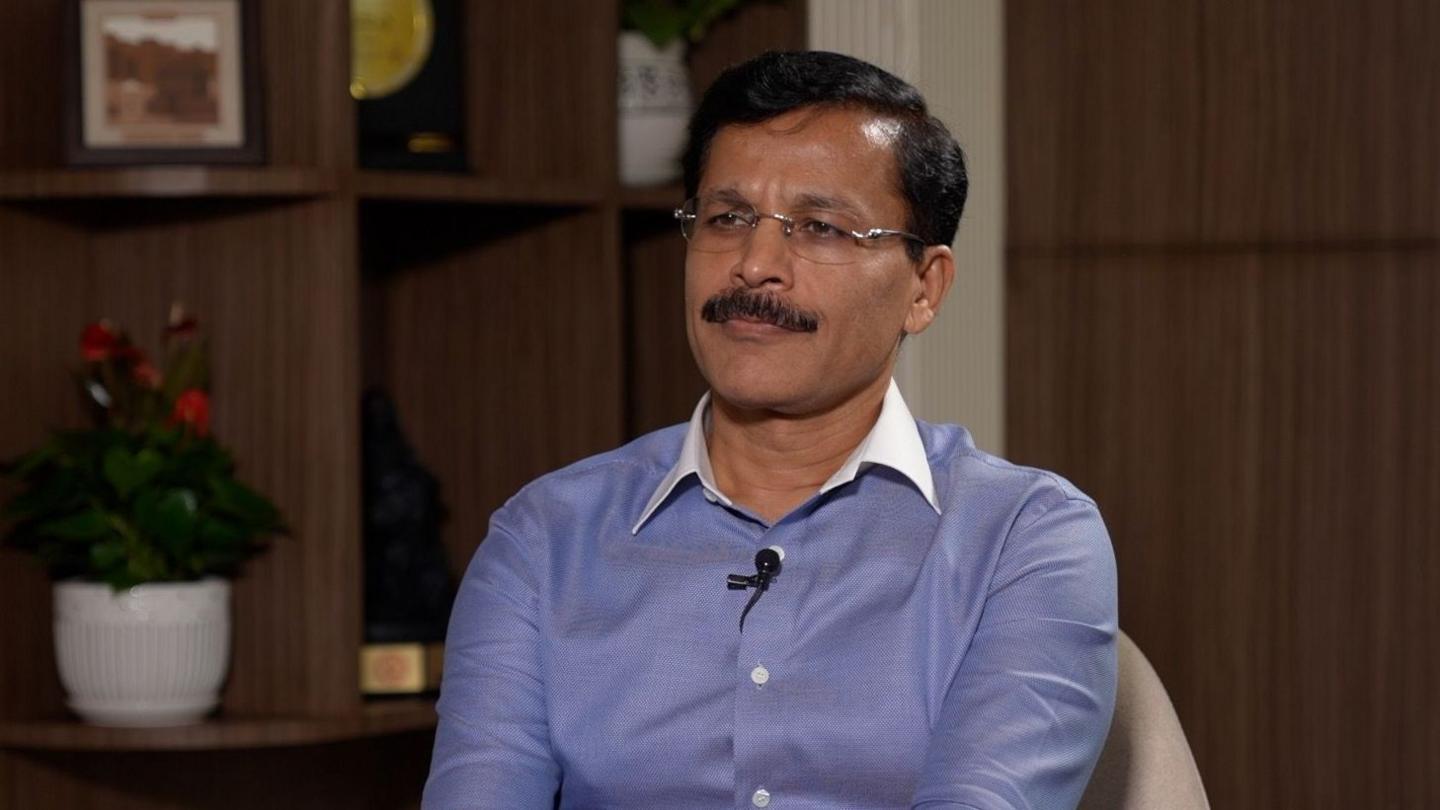
In a surprising twist, Maharashtra’s new food commissioner has become a 3.8‑million‑follower Instagram star by shaming corrupt restaurants and fast‑food chains that hide under luxury logos.
Since taking charge in May, the 51‑year‑old civil servant Tukaram Mundhe has overseen thousands of inspections across the state, turning government reports into viral reels that keep food safety on every TikTok feed.
His approach—a mix of “real‑world” inspections and public “name‑and‑shame” posts—has made the FDA’s work visible for the first time in years, prompting cheers from consumers but protests from the restaurant industry.
Critics argue that Mundhe bypasses statutory procedures and that his hard‑line tactics risk causing unfair closures. Court rulings have already forced him to pay compensation in a case involving a sweets shop whose licence was revoked after a near‑compliance finding.
Nonetheless, his crackdown has uncovered the breadth of India’s food safety woes: over a third of food samples tested nationwide are “non‑conforming.” He estimates that 3,100 inspections were carried out by July, with more than 300 licence suspensions and 16,000 complaints logged.
Placing bans on newspaper wrap, synthetic dyes, and children‑facing junk food, the flagship begun by Mundhe has positioned safe‑food policies at the heart of a drive being watched on a global scale.
More than that, his public presence demonstrates that officers can use social media to keep policies front and centre, though that possibility may not last beyond his term.